 Dost Pakistan Journeys Tours and safaris in the North & South Pakistsn
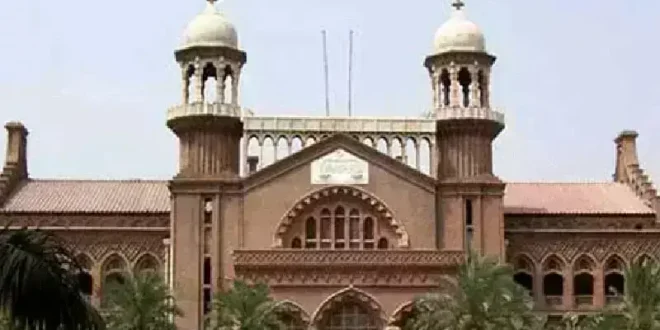
Pakistan’s Judiciary: Unpacking the LHC Petition on Constitutional Benches & Access to Justice
The News: A Crucial Push for Constitutional Justice
A significant constitutional petition has been lodged with the Lahore High Court (LHC), aiming to compel the swift establishment of specialized constitutional benches across Pakistan’s high courts. Filed by Azhar Siddique, chairman of the Judicial Activism Panel, the petition specifically targets the non-operationalisation of these vital benches in the Lahore, Islamabad, Peshawar, and Balochistan High Courts, despite the clear mandate of the 26th Amendment of 2024, which introduced Article 202A to the Constitution. Notably, only the Sindh High Court has substantially adhered to this constitutional directive.
The petitioner contends that Article 202A’s language is mandatory, dictating that constitutional matters, particularly those under Article 199 (related to fundamental rights and judicial review), must be heard by these dedicated benches. The current delay has, in effect, created an inequitable “two-track” system: litigants in Sindh benefit from specialized forums, while those elsewhere face the general benches for constitutional issues.
Beyond the lack of specialized benches, the petition also critically challenges the LHC’s long-standing administrative practice of its case-filing branch pre-screening petitions for maintainability, jurisdiction, and other procedural aspects. Siddique argues these are judicial questions that non-judicial staff cannot legally decide, effectively creating an unconstitutional barrier to justice and infringing upon fundamental rights guaranteed by Articles 4, 9, 10A, and 25 of the Constitution. The petition further underscores a severe judicial crisis, highlighting 76 vacant high court judge posts nationwide and a staggering backlog of 198,005 cases at the LHC alone, exacerbating the need for systemic reform.
Background: The Evolution of Constitutional Justice in Pakistan
The filing of this petition casts a spotlight on critical aspects of Pakistan’s judicial system, particularly the drive for efficiency and specialization. The introduction of Article 202A through the 26th Amendment in 2024 was a landmark legislative step. This amendment aimed to streamline the adjudication of constitutional matters, ensuring that cases involving fundamental rights, questions of law, and governmental actions are heard by judges specifically trained or assigned to such complex areas. The rationale behind creating specialized constitutional benches is to enhance the quality of judgments, reduce delays by fostering expertise, and provide a more focused approach to cases that often carry significant public interest and legal ramifications.
Historically, constitutional petitions in Pakistan, particularly under Article 199 (which grants high courts wide-ranging powers including judicial review, issuance of writs, and enforcement of fundamental rights), have been heard by various benches without specific specialization. While this offered flexibility, it often led to inconsistencies and slower disposal rates for complex constitutional questions. The 26th Amendment sought to rectify this by making the constitution of such benches mandatory, signifying a parliamentary intent for a more structured approach to constitutional jurisprudence.
The petition’s challenge to administrative screening by the LHC’s registry staff also delves into a long-standing debate within judicial administration. In many jurisdictions, including Pakistan, the initial scrutiny of petitions (for technical defects, locus standi, or alternative remedies) often falls to the court’s registry. However, the petitioner argues that questions of maintainability and jurisdiction are intrinsically judicial and should only be decided by a judge, not administrative staff. This practice, if unchecked, can indeed become an arbitrary gatekeeper, potentially denying citizens their fundamental right to access justice and have their grievances heard by an independent judicial authority.
Furthermore, the context of judicial activism in Pakistan, often championed by individuals and organizations like Azhar Siddique’s Judicial Activism Panel, plays a crucial role. Pakistani courts have a history of intervening in matters of public importance, using their extraordinary constitutional jurisdiction to ensure governance and uphold rights. This petition represents another instance of citizens seeking judicial intervention to ensure constitutional mandates are respected and implemented by other state organs.
Impact on Pakistan: Bridging the Divide in Access to Justice
The issues raised in the LHC petition have profound implications for Pakistan’s judicial system and, by extension, its citizens. Foremost is the question of equitable access to justice. The “two-track” system, where litigants in Sindh have the benefit of specialized constitutional benches while those in other provinces do not, creates a disparity that directly impacts fundamental rights. Every citizen, regardless of their geographical location, should have equal access to an efficient and specialized forum for their constitutional grievances. This inequality can erode public trust in the judiciary and the principle of equality before the law.
The non-implementation of Article 202A also signals a potential breakdown in constitutional adherence. When a mandatory constitutional provision, enacted through due legislative process, remains unfulfilled by relevant state authorities (including the Law and Justice Commission and NJPMC), it undermines the rule of law. A robust constitutional framework is the bedrock of democratic governance, and its disregard can lead to institutional weakness and a perception of unaccountability.
Moreover, the crisis of judicial understaffing and the massive case backlog, particularly at the LHC, are intertwined with the petition’s concerns. With 76 high court judge posts vacant, the existing burden on judges is immense. This shortage may inadvertently encourage administrative screening as a crude method of managing caseloads, even if it compromises judicial principles. However, rather than acting as a solution, administrative barriers only add to frustration and delays, preventing legitimate cases from even reaching a judge. The operationalisation of specialized benches, coupled with filling vacant judicial positions, could significantly improve case management, reduce the backlog, and enhance overall judicial efficiency.
Ultimately, a transparent, efficient, and accessible justice system is crucial for stability, economic development, and protecting human rights. Delays, unconstitutional barriers, and perceived inequality in justice delivery can deter foreign investment, weaken investor confidence, and disenfranchise ordinary citizens seeking redress against state actions or violations of their rights.
Analysis: Navigating Judicial Reform and Systemic Challenges
The petition before the Lahore High Court is more than a legal challenge; it’s a critical examination of systemic failures within Pakistan’s judicial administration. The core conflict lies between the constitutional mandate for specialized justice and the practical, perhaps bureaucratic, inertia hindering its implementation. Article 202A’s “mandatory language” is a powerful legal anchor, implying that its non-operationalisation is a direct breach of the Constitution. The lack of a “reasoned response” from federal and provincial authorities to prior representations further highlights a potential accountability deficit.
One of the key analytical points is identifying the root cause of this delay. Is it merely bureaucratic foot-dragging, a lack of resources, or perhaps a resistance to institutional change? Establishing specialized benches requires judicial infrastructure, trained personnel, and a shift in administrative practices. The fact that only the Sindh High Court has made progress suggests that successful implementation is achievable with political will and concerted effort, offering a viable model for other provinces.
The challenge to administrative screening by registry officials delves into the fundamental principles of judicial independence and the right to a fair hearing. Allowing non-judicial staff to decide questions of law, such as maintainability or jurisdiction, blurs the lines between administrative and judicial functions. This practice not only deprives litigants of their fundamental right to a judicial determination but also opens the door to potential arbitrariness and a lack of transparency. The petition correctly emphasizes that such decisions must emanate from the bench, not the bureaucracy, aligning with international best practices and established legal precedents.
Furthermore, the nexus between the severe vacancy crisis in high courts and the reliance on administrative barriers is undeniable. A fully staffed judiciary would be better equipped to manage its caseload and dedicate judges to specialized benches without resorting to what the petitioner calls “unconstitutional barriers.” This systemic issue points to a broader governance challenge in ensuring adequate human resources for crucial state institutions. The National Judicial (Policy-Making) Committee (NJPMC) and the Law and Justice Commission of Pakistan, named as respondents, bear significant responsibility in addressing these structural deficiencies.
The petition’s demands for “reasoned, speaking orders” from respondents and “compliance reports” are crucial for transparency and accountability. They seek to ensure that any future responses are not perfunctory but reflect genuine engagement with constitutional requirements and a commitment to reform. The outcome of this petition could set a significant precedent, potentially forcing a nationwide overhaul of how constitutional matters are handled and how access to justice is safeguarded in Pakistan. It represents a vital step towards modernizing the judiciary, enhancing its efficiency, and reinforcing public faith in its ability to uphold the Constitution and protect fundamental rights for all citizens.
