 Dost Pakistan Journeys Tours and safaris in the North & South Pakistsn
“`html
Strait of Hormuz Attack: A Fragile Peace Under Fire Amidst Global Energy Concerns
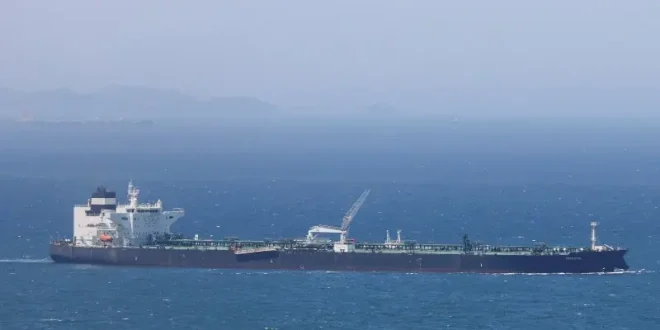
The strategic Strait of Hormuz has once again been thrust into the global spotlight following an attack on an oil tanker. On Monday, an “unknown projectile” struck a commercial vessel off the coast of Oman, igniting a fire and raising alarms about maritime security in one of the world’s most critical energy chokepoints.
The incident, reported by the British maritime security agency UKMTO, occurred near Limah, Oman, and initially reported no casualties or environmental damage. However, US officials, as cited by Axios, subsequently suggested Iran was responsible, alleging at least two missiles were fired at commercial ships, with a second vessel also sustaining significant damage. This development sends a chilling reminder of the volatile nature of the region, especially coming on the heels of recent diplomatic breakthroughs aimed at de-escalation.
The News: A Setback to De-escalation
The strike on the southbound oil tanker, causing a fire on its port side, marks a significant escalation despite ongoing efforts for peace. UKMTO advised vessels to transit with caution, signaling heightened risk in the vital shipping lane. The allegations from US officials that Iran fired the missiles, and that a second ship was also hit, if confirmed, would represent a direct challenge to the nascent peace process between the United States and Iran.
This incident is particularly alarming given the recent ceasefire between Washington and Tehran and the signing of the Islamabad Memorandum of Understanding (MoU) last month. The MoU was specifically designed to end the prolonged conflict and ensure the safe passage of maritime traffic through the Strait of Hormuz, a route that had been severely impacted by hostilities.
Background: A Geopolitical Lifeline Under Threat
The Strait of Hormuz is not merely a body of water; it is the world’s most critical maritime chokepoint for oil transit, connecting the Persian Gulf to the open ocean. Approximately 20 million barrels of crude oil, roughly one-fifth of global crude supply, pass through this narrow channel daily, en route to international markets, primarily in Asia. Its strategic importance makes any disruption a global concern, directly impacting energy prices and supply security.
The region has been a flashpoint for tensions during the recent Middle East conflict. Iran had previously blockaded the waterway, leading to multiple commercial vessels coming under attack and causing global energy prices to surge dramatically. The United States responded with its own naval blockade and launched retaliatory strikes after accusing Tehran of targeting shipping. The signing of the Islamabad MoU was seen as a major diplomatic victory, promising a return to stability and the reopening of this vital route. However, Iran has consistently maintained that it will not revert to pre-war arrangements, under which vessels enjoyed unfettered passage, and has cautioned ships to use only corridors it has authorized along its coastline. This stance foreshadowed potential future friction, which now appears to have materialized.
Impact on Pakistan: Economic Vulnerability and Regional Stability
For a nation like Pakistan, heavily reliant on imported energy, the stability of the Strait of Hormuz is paramount. A significant portion of Pakistan’s crude oil and petroleum product imports, vital for its industrial and transport sectors, transits through this waterway. Any disruption or escalation of tensions in the Strait has immediate and severe implications for the Pakistani economy:
- Exacerbated Inflation: A spike in global oil prices, triggered by insecurity in Hormuz, directly inflates Pakistan’s import bill. This feeds into domestic fuel prices, increasing transportation costs and the price of essential goods, further fueling inflation in an economy already grappling with fiscal challenges.
- Current Account Pressure: Higher import costs for energy widen Pakistan’s current account deficit, putting pressure on its foreign exchange reserves and the national currency.
- Supply Chain Disruptions: Sustained attacks or increased security risks could lead to higher shipping insurance premiums and reluctance from carriers, potentially disrupting supply chains and causing shortages of critical imports.
- Regional Instability: Pakistan shares a complex relationship with its regional neighbors, and heightened tensions in the Middle East directly impact its security calculus and diplomatic engagements. Regional stability is crucial for economic corridors and investment, including the long-term prospects of projects like CPEC.
Given its role as a facilitator in the Islamabad MoU, Pakistan also has a vested interest in ensuring the agreement holds and that de-escalation efforts prevail. The latest incident poses a direct challenge to the peace and stability Pakistan has worked to foster in the region.
Analysis: A Deliberate Challenge to the Peace Accord
The timing and nature of this attack are deeply troubling, suggesting a deliberate challenge to the fragile peace established by the Islamabad MoU. If confirmed that Iran is behind the missile strikes, several motives could be at play:
- Asserting Control: Iran has consistently stated its intent to regulate maritime traffic through “authorized corridors” along its coastline, diverging from pre-war norms. This incident could be a forceful demonstration of its resolve to enforce this new policy and assert greater control over its perceived territorial waters and strategic chokepoint. It sends a clear message that while a ceasefire exists, Iran intends to dictate the terms of transit.
- Testing Boundaries and Resolve: The attack could be a calculated move to test the international community’s, particularly the US’s, commitment to the ceasefire and its willingness to tolerate Iranian assertions of control. It allows Tehran to gauge the reaction without necessarily triggering an all-out conflict.
- Internal Dynamics: The Iranian political landscape is complex, with various factions holding differing views on engagement with the West. Hardliners within Iran might view the MoU as a compromise and seek to undermine it or demonstrate their continued strength and opposition to what they perceive as capitulation.
- Bargaining Chip: By creating instability, Iran could be attempting to gain leverage in ongoing or future negotiations, signaling that regional stability remains contingent on its terms and addressing its broader grievances or demands.
The geopolitical ramifications are significant. This incident underscores the extreme fragility of the US-Iran ceasefire and the wider peace efforts in the Middle East. It risks unraveling the diplomatic progress made, potentially triggering a renewed cycle of retaliation and escalation. Global energy markets will undoubtedly react with volatility, pushing up oil prices and adding to inflationary pressures worldwide. The shipping industry will face increased operational costs due to higher insurance premiums and potential rerouting, further impacting global trade.
The international community now faces a critical juncture. The efficacy of the Islamabad MoU will be severely tested, requiring robust diplomatic engagement from all parties, including those who brokered the deal. Preventing a return to the full-scale maritime conflict that previously plagued the Strait of Hormuz is paramount, but it will require a delicate balance of de-escalation efforts, firm messaging, and a clear understanding of the underlying motivations driving these dangerous actions.
While the immediate focus remains on identifying the “unknown projectile” and its source, the broader implication is clear: peace in the Strait of Hormuz remains elusive, and the world’s energy lifeline continues to navigate treacherous geopolitical waters.
“`
