Dost Pakistan Journeys Tours and safaris in the North & South Pakistsn
Related Articles


“`html
Pakistan’s Proactive CTD Foils Major BLA Terror Plot in Karachi: An In-Depth Analysis
The recent announcement by the Sindh Counter-terrorism Department (CTD) marks a significant victory in Pakistan’s ongoing battle against militancy. On July 6, an intelligence-based operation (IBO) led to the arrest of two trained members of the proscribed Baloch Liberation Army (BLA), effectively neutralizing a planned attack on Karachi’s vital infrastructure and law enforcement agencies. This incident not only highlights the persistent threat posed by extremist groups but also underscores the crucial role of Pakistan’s intelligence and law enforcement apparatus in safeguarding national security.
The News: Averted Catastrophe in Karachi
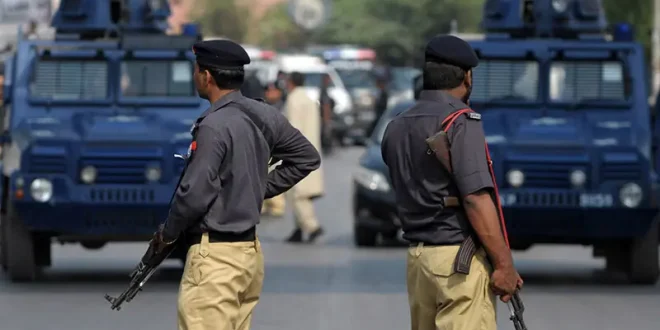
According to the Sindh CTD, a major terrorist plot targeting sensitive installations and offices of law enforcement agencies in Karachi was successfully thwarted. The operation, conducted in collaboration with federal intelligence agencies, led to the apprehension of Mujahid Baloch and Farid Baloch, identified as BLA operatives. These individuals were reportedly trained in “recce and communication” at a BLA camp and were living in Karachi under the directives of their commanders, Sajid Baloch and Bashir Zaib.
Authorities recovered substantial bomb-making material, including four kilograms of explosive material, a detonator, a prama card, and a ball ring, indicating the advanced stage of their nefarious preparations. The CTD has initiated legal proceedings against the suspects, with ongoing interrogation expected to yield further intelligence and potentially lead to the arrest of other accomplices. This preemptive strike follows a series of concerning security incidents in Sindh, including a recent terrorist attack on a Rangers facility in Karachi on June 27 that claimed the lives of three security personnel. Data from the Pakistan Institute for Conflict and Security Studies (PICSS) indicates a worrying increase in terrorist activities in Sindh during June, signaling an evolving threat landscape.
Background: The Persistent Shadow of Baloch Separatism
To fully grasp the significance of this thwarted plot, it’s essential to understand the context of the Baloch Liberation Army and its operations. The BLA is a separatist militant organization advocating for an independent Balochistan, alleging economic exploitation and human rights abuses by the Pakistani state. While their primary operational theatre has historically been Balochistan province, known for its vast natural resources and strategic Gwadar Port, the group has increasingly demonstrated an intent and capability to launch attacks in other parts of Pakistan, particularly Karachi.
Karachi, as Pakistan’s largest city, economic powerhouse, and a melting pot of diverse ethnic groups, presents a high-value target for groups like the BLA. Attacks here garner significant national and international attention, aiming to destabilize the country’s economy, deter foreign investment—especially in projects linked to the China-Pakistan Economic Corridor (CPEC) which the BLA vehemently opposes—and sow discord within the population. The group’s tactics often involve targeting security forces, government installations, and Chinese nationals working on CPEC projects. The “recce and communication” training mentioned by the CTD indicates a sophisticated operational capability, suggesting organized planning and potential external support or well-established internal networks.
This incident also aligns with a broader resurgence of militancy across Pakistan, though the BLA operates with distinct ethnic-nationalist motives compared to groups like the Tehrik-i-Taliban Pakistan (TTP). The CTD, as a specialized law enforcement agency, plays a critical role in this challenging environment, focusing on intelligence-gathering, proactive operations, and disrupting terrorist networks before they can execute their plans.
Impact on Pakistan: Security, Economy, and National Resilience
The successful disruption of this BLA plot has profound implications for Pakistan:
- Enhanced Security Posture: The operation reaffirms the competence and vigilance of Pakistan’s intelligence agencies and the CTD. It serves as a stark reminder of the ongoing security threats and necessitates sustained vigilance, particularly in urban centers like Karachi. The continuous need for heightened security measures places a significant strain on national resources.
- Economic Stability and Investment Confidence: Karachi is the heartbeat of Pakistan’s economy, housing its main ports, financial institutions, and industrial base. A major terrorist attack here would have catastrophic economic consequences, deterring both local and foreign investment. The prevention of such an attack safeguards critical economic activities and helps maintain investor confidence, particularly vital for the success of CPEC and overall national development.
- National Cohesion and Morale: Terrorism aims to instill fear and divide society. Proactive counter-terrorism successes like this operation boost public morale and reinforce faith in the state’s ability to protect its citizens. Conversely, successful attacks can create an atmosphere of insecurity and social fragmentation.
- International Image: Pakistan has long battled the narrative of being a hotbed of terrorism. Proactive counter-terrorism efforts and successes demonstrate the country’s commitment to fighting extremism, positively impacting its international standing and fostering greater trust among global partners.
Analysis: A Proactive Victory, But Challenges Remain
The CTD’s operation is a significant testament to the efficacy of intelligence-led counter-terrorism strategies. It highlights several key points:
- Effectiveness of Intelligence Sharing: The fact that the CTD and federal intelligence agencies collaborated effectively to identify, track, and apprehend the terrorists before they could execute their plan underscores the critical importance of inter-agency coordination and robust intelligence networks. This proactive approach is infinitely more effective than reactive measures.
- Evolving Threat from BLA: The BLA’s continued expansion of its operational footprint into Karachi signifies an alarming evolution in its strategy and capabilities. This move from the rugged terrains of Balochistan to a complex urban environment like Karachi indicates a growing sophistication in recruitment, logistics, and planning. It suggests the group may be seeking to project power beyond its traditional strongholds and maximize disruption.
- The Importance of Preemptive Strikes: Recovering significant explosive material before it could be used represents a major win. It demonstrates Pakistan’s shift towards preventative counter-terrorism, focusing on disrupting plots at their nascent stages.
- Unraveling the Network: The ongoing interrogation of Mujahid Baloch and Farid Baloch is crucial. The information extracted regarding their commanders (Sajid Baloch and Bashir Zaib), training camps, funding sources, and broader network will be invaluable in dismantling the BLA’s infrastructure and preventing future attacks. This will require sustained and meticulous investigative work.
- Addressing Root Causes: While kinetic operations are vital, a comprehensive strategy against Baloch separatism must also consider the underlying grievances that fuel such movements. Addressing issues of economic disparity, political marginalization, and ensuring inclusive development remains a long-term challenge for the state.
In conclusion, the thwarting of this major BLA plot in Karachi is a critical success for Pakistan’s counter-terrorism efforts. It showcases the dedication and effectiveness of its security forces in preventing potentially devastating attacks. However, it also serves as a stark reminder that the threat from groups like the BLA is persistent and evolving. Continued vigilance, enhanced intelligence capabilities, strong inter-agency coordination, and a comprehensive approach that tackles both operational threats and their root causes will be essential in safeguarding Pakistan’s future.
“`