Dost Pakistan Journeys Tours and safaris in the North & South Pakistsn
Related Articles


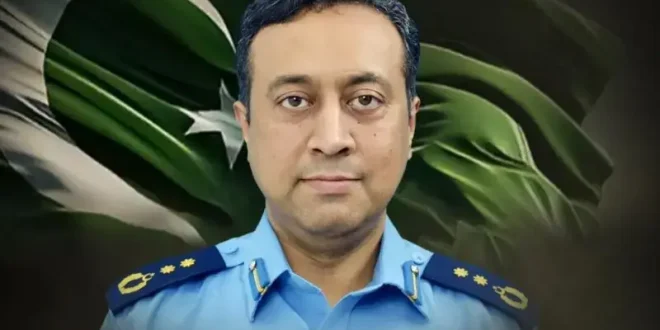
Islamabad’s Tragic Heroism: Unpacking the Case of PAF Group Captain Asim Tariq and the Quest for Justice
The News: A Hero’s Sacrifice and the Start of Legal Proceedings
The capital city of Islamabad is once again at the forefront of a poignant debate on law and order following the tragic demise of Pakistan Air Force (PAF) Group Captain Asim Tariq. The alleged perpetrator, Saad Abbasi, has been sent to jail on a 14-day judicial remand by an Anti-Terrorism Court (ATC) for an identity parade. This development marks a critical juncture in the investigation into the officer’s death, which occurred when he reportedly intervened to prevent the abduction of a woman. The court, presided over by Judge Abual Hasanat Mohammad Zulqarnain, has scheduled the next hearing for July 20, underlining the swift initiation of legal proceedings in this high-profile case.
Background: Navigating Pakistan’s Judicial Landscape and the Act of Valor
The legal framework surrounding the alleged killing of Group Captain Asim Tariq involves several key aspects unique to Pakistan’s justice system. The involvement of an Anti-Terrorism Court (ATC) might seem unusual for a murder case, but in Pakistan, ATCs often handle cases that involve significant public impact, the potential for creating widespread fear, or crimes committed with a high degree of brutality or an intent to disrupt public peace, even if not directly linked to traditional definitions of terrorism. This broad jurisdiction allows for expedited trials and potentially stricter penalties, reflecting the state’s intent to swiftly address serious crimes that challenge law and order and the fabric of society.
A crucial step in this initial phase is the identity parade. This procedure is designed to allow witnesses to identify the suspect from a group of individuals (known as ‘dummies’) who resemble the suspect in appearance. It is a vital piece of evidence in criminal trials, especially when direct witnesses are available, as it helps solidify the prosecution’s case and ensures that the correct individual is brought to justice. The 14-day judicial remand provides the necessary time for law enforcement to conduct this parade under controlled conditions, away from public influence, thereby preserving the integrity and fairness of the identification process. This measure ensures due process while the investigation unfolds, preparing the case for a robust legal battle.
At the heart of this tragedy lies a profoundly heroic act. Group Captain Tariq’s intervention to save a woman from abduction underscores a deep sense of civic duty and personal courage. This selfless act, unfortunately, cost him his life, casting a somber shadow over the nation’s capital and highlighting the persistent challenges related to public safety and women’s security in the country.
Impact on Pakistan: A Crisis of Confidence and a Call for Action
The alleged murder of a uniformed officer, particularly under such heroic circumstances, sends significant ripple effects across Pakistani society. Firstly, it amplifies concerns regarding public safety and security, even in Islamabad, often considered one of the safer cities. The incident creates a chilling sense of vulnerability, reminding citizens that even acts of courage can come at an extreme cost. This erodes public trust in the state’s ability to maintain law and order effectively and protect its citizens from violent crime.
Secondly, the case has ignited a renewed debate on women’s safety and gender-based violence. The tragic catalyst – an attempted abduction – brings to the forefront the pervasive issue of violence against women and the imperative for stronger legal and social mechanisms to protect them. Group Captain Tariq’s sacrifice, while celebrated, also highlights the unfortunate reality that individuals sometimes have to take extreme personal risks in the absence of immediate, visible state protection or a robust public safety net.
For the armed forces community, the loss of a decorated officer like Group Captain Tariq is deeply felt. It not only represents a personal tragedy for his family and colleagues but also underscores the sacrifices made by individuals in service, even when off-duty and acting as ordinary citizens. The swift judicial action is therefore critical, not just for the sake of justice, but also to reassure the public and the armed forces community that such sacrifices will be acknowledged and perpetrators held accountable through due process.
Analysis: Upholding the Rule of Law and Fostering a Secure Society
The progression of the Saad Abbasi case through the Anti-Terrorism Court represents a critical test for Pakistan’s justice system. The decision to register the case under anti-terrorism law at the Margalla Police Station signifies the gravity with which the authorities are treating this incident. It indicates a clear intention to pursue a stringent legal course, aiming for a precedent that deters similar acts of violence and lawlessness. The transparent conduct of the identity parade and subsequent judicial proceedings will be paramount in establishing credibility and ensuring public confidence in the outcome.
Beyond the courtroom, this incident serves as a stark reminder of the delicate balance between individual heroism and systemic protective measures. While Group Captain Tariq’s bravery is commendable, it tragically underscores the gaps in public security that occasionally compel ordinary citizens to become reluctant heroes. This case should not only lead to the conviction of the guilty but also prompt a wider conversation among policymakers and law enforcement agencies about enhancing visible policing, improving response times, and implementing more robust measures for the prevention of street crime and protection against abduction, particularly targeting vulnerable groups like women.
Ultimately, the resolution of this case will be a defining moment for Islamabad’s commitment to the rule of law and its ability to safeguard its residents. The journey through judicial remand, identity parade, and subsequent trial will be closely watched by the nation. A just and swift outcome is essential not only to provide solace to the victim’s family but also to reinforce faith in the justice system, send a clear message to criminals, and foster a truly secure environment where citizens can live without fear and where heroic acts, if necessitated, are duly honored and supported by an efficient state apparatus.