Dost Pakistan Journeys Tours and safaris in the North & South Pakistsn
Related Articles


“`html
No Relief for Citizens as Transport Fares Remain High Despite Lower Fuel Prices in Karachi
Summary: Karachi’s commuters are grappling with persistently high transport fares, even after recent significant reductions in petrol and diesel prices. Private transport operators and ride-hailing services are criticized for not passing on these substantial savings, leading to widespread calls for immediate government intervention to restore pre-conflict fare levels and alleviate the financial burden on citizens.
The News: A Persistent Burden on Karachi Commuters
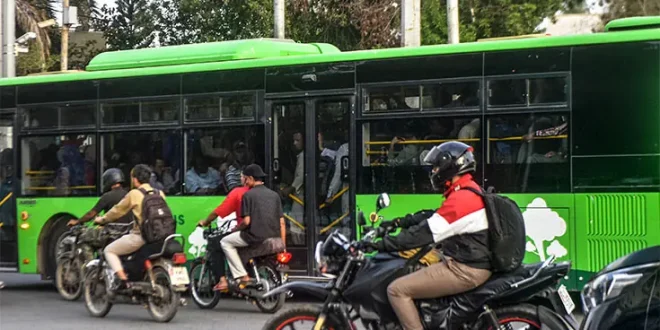
In Pakistan’s bustling metropolis of Karachi, the promise of relief from fluctuating fuel prices remains elusive for the average commuter. Despite a cumulative reduction of approximately Rs100 per litre in both petrol and diesel costs over recent weeks, the fares charged by private buses, coaches, and popular ride-hailing services have stubbornly stayed at elevated levels. This discrepancy has sparked considerable frustration among residents who feel they are being unfairly burdened, prompting urgent appeals to the Sindh government for intervention.
Commuters recall a period of heightened regional tensions that led to sharp increases in petroleum prices, pushing rates close to Rs400 per litre. During this time, transport operators swiftly raised intra-city fares by as much as 40 percent, citing the financial impossibility of operating under the previous structures. However, with fuel prices now stabilized around Rs300 per litre – a significant drop from their peak and only a marginal increase of Rs30-40 per litre from pre-tension levels of Rs260-270 – the continued exorbitant fares are increasingly difficult to justify.
Specific examples abound: private bus fares from Orangi to Jama Bus Stop, once Rs60, now range from Rs90 to Rs100. Ride-hailing services, too, have seen dramatic increases, with car rides rising by Rs200-Rs500 and motorcycle trips by Rs100-Rs200 for similar distances. Passengers lament that while operators were quick to adjust fares upwards in response to rising costs, they have shown no corresponding urgency in passing on the benefits of falling fuel prices, perpetuating a significant financial strain on households already contending with a high cost of living. Calls are growing for the government to investigate these complaints of overcharging and enforce fair pricing, particularly in instances where commuters also report abusive behavior from conductors when questioning fares.
Background: Fuel Volatility and Karachi’s Transport Dynamics
Pakistan, heavily reliant on imported oil, is acutely susceptible to global energy price fluctuations. Geopolitical events, such as the regional tensions referenced in the news, frequently translate into significant domestic fuel price hikes. These rapid increases directly impact operational costs for a vast, often informal, transport sector. Karachi, as one of the world’s largest cities, depends on a diverse transport network ranging from dilapidated public buses and private coaches to a burgeoning fleet of ride-hailing cars and motorcycles. This fragmented system, coupled with limited regulatory oversight, creates a fertile ground for pricing inconsistencies.
Historically, the regulation of transport fares in Pakistan has been a complex challenge. Official fare structures often struggle to keep pace with dynamic economic realities, while private operators frequently act autonomously. The advent of ride-hailing platforms, initially hailed for convenience and transparency, has introduced another layer of complexity. While their algorithms promise efficiency, they are also susceptible to market demands and driver incentives, sometimes resulting in opaque and variable pricing that can feel arbitrary to the end-user. The current scenario highlights a recurring problem: when costs rise, operators are quick to implement surcharges; however, when the underlying costs decrease, the downward adjustment is often delayed or entirely absent, maximizing profits at the expense of the consumer.
Impact on Pakistan: Economic Strain and Eroding Trust
The persistence of high transport fares in Karachi, despite reduced fuel prices, has profound implications for Pakistan’s socio-economic fabric. Firstly, it places an immediate and substantial economic burden on millions of commuters, particularly those from low and middle-income households. Transport is a non-discretionary expense, critical for work, education, and essential services. When these costs remain artificially inflated, it directly reduces disposable income, exacerbating an already challenging cost-of-living crisis across the country.
Beyond individual households, this pricing asymmetry can have a ripple effect on the broader economy. Elevated transport costs contribute to higher input costs for businesses, potentially driving up prices for goods and services as supply chain expenses increase. This inflationary pressure undermines economic stability and can hinder growth. Socially, the situation fosters a sense of injustice and erodes public trust in both transport operators and regulatory authorities. The reported instances of abusive behavior when commuters question fares further fuel resentment and can lead to frustration and discontent among the populace. For a nation grappling with economic uncertainties, ensuring fair and regulated pricing in essential services like transport is not just about consumer protection; it’s about maintaining social cohesion and economic fairness.
Analysis: The Asymmetry of Pricing and the Call for Regulation
The core of the problem lies in the pronounced asymmetry of pricing adjustments within Karachi’s transport sector. When fuel prices surge, operators are quick to implement fare hikes, often citing immediate and unavoidable increases in their operational expenses. However, when fuel prices fall, there is a notable reluctance or outright failure to pass these savings on to the consumer. This phenomenon can be attributed to several interlocking factors:
Why Fares Remain Stubbornly High
- Lack of Robust Regulation: The primary driver is the absence of an effective, transparent, and consistently enforced regulatory framework. Without clear guidelines and punitive measures for non-compliance, transporters face little consequence for maintaining inflated fares.
- Profit Maximization: Operators, both traditional and ride-hailing, naturally seek to maximize profits. Once a higher fare ceiling has been established during a period of rising costs, there’s a strong incentive to retain it even when conditions improve.
- Perceived “Other Costs”: While fuel is a significant expense, transporters often argue that other operational costs—such as vehicle maintenance, spare parts, tires, labor wages, and general inflation—have not decreased. While these factors are valid, a Rs100/litre fuel reduction is substantial enough to warrant a significant fare adjustment.
- Market Dynamics and Lack of Competition: For traditional public transport, routes can sometimes be controlled by a limited number of operators, reducing competitive pressure. For ride-hailing, driver incentives and algorithms can create dynamic pricing that doesn’t always reflect current fuel costs, or drivers might reject rides if the algorithm-suggested fare is too low in their perception.
- Information Asymmetry: Commuters often lack access to official, updated fare charts, making it difficult to challenge overcharging effectively.
The Imperative for Government Action
The current situation underscores the urgent need for proactive and decisive intervention from the Sindh government. Merely appealing to transporters’ goodwill is insufficient; a structured approach is required:
- Establish a Transparent Fare Mechanism: Implement a clear, dynamic fare adjustment formula directly linked to fuel prices. This could involve regular reviews and public announcements of revised fares for all categories of transport.
- Strengthen Regulatory Enforcement: Empower a dedicated body to monitor compliance, investigate complaints of overcharging and abusive behavior, and impose strict penalties on violators. Public awareness campaigns about how and where to report grievances are crucial.
- Engage Stakeholders: Facilitate dialogue between transport associations, ride-hailing companies, consumer rights organizations, and government bodies to reach a consensus on fair and sustainable fare structures.
- Invest in Public Transport Infrastructure: Long-term relief can only come from a modernized, efficient, and well-regulated public transport system that provides reliable, affordable alternatives to private and informal options.
- Leverage Technology: Encourage ride-hailing platforms to be more transparent with their fare breakdowns and ensure their algorithms reflect current operational costs, including fuel price reductions.
The residents of Karachi, like all citizens, deserve fair pricing for essential services. The government’s timely and effective intervention to address this pricing asymmetry will not only provide much-needed financial relief but also restore public confidence in regulatory oversight and foster a more equitable urban environment.
“`