 Dost Pakistan Journeys Tours and safaris in the North & South Pakistsn
“`html
Lesco’s Aggressive Bill Recovery: A Symptom of Systemic Challenges in Pakistan’s Energy Sector
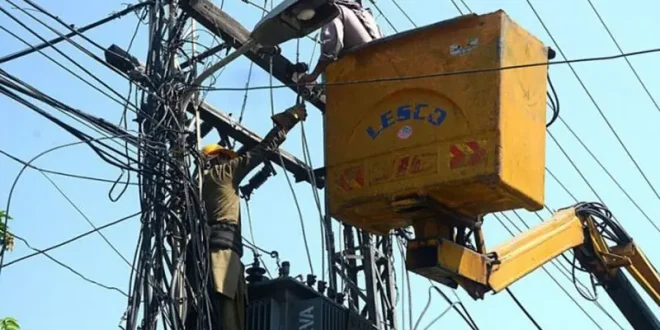
Recent reports of the Lahore Electric Supply Company (Lesco) resorting to aggressive tactics, including alleged harassment and unlawful disconnections for bill recovery, highlight a deeply entrenched crisis within Pakistan’s power sector. While the company cites an urgent need to address outstanding dues, these methods raise critical questions about consumer rights, institutional accountability, and the broader challenges plaguing the nation’s energy infrastructure.
The News
Consumers in Lahore have voiced strong criticism against Lesco’s field teams, accusing them of harassment and unlawfully disconnecting power supplies. Multiple residents reported being pressured to pay bills immediately, even for a single month’s outstanding amount, despite standard regulations often requiring default for current and previous months before disconnection. Incidents cited include misbehavior, threats to remove meters, and disconnections without proper notice, even in areas like GOR-1.
The Lahore Commissioner’s office has acknowledged these widespread complaints, scheduling a meeting with senior Lesco officials to address the issue. Meanwhile, Lesco’s Chief Executive Officer, Ramzan Butt, defended the intensified recovery efforts by stating that the policy has shifted: non-payment for even a single month is now considered a default, a departure from the previous two-month grace period. While largely dismissing claims of harassment, he pledged to investigate specific complaints if proven.
Background: The Weight of Circular Debt and Policy Shifts
To understand Lesco’s current approach, one must look at the immense pressure on Pakistan’s power distribution companies (DISCOs). Lesco, like other DISCOs, operates within a national energy framework severely burdened by circular debt – a cascading accumulation of unpaid dues across the power supply chain. This debt arises when power generation companies aren’t paid by DISCOs, who in turn struggle with non-recovery from consumers and government subsidies. This financial strain directly impacts the DISCOs’ operational capabilities and their ability to invest in infrastructure.
Historically, DISCOs allowed a grace period, often two consecutive months of non-payment, before initiating disconnection procedures. The recent policy shift by Lesco, now considering a single month’s non-payment as a default, is a clear indicator of mounting pressure from regulatory bodies and the government to improve recovery rates and reduce losses. This directive is part of a broader national effort to stabilize the energy sector’s finances and meet targets set by international lenders, particularly the IMF.
However, this aggressive stance often clashes with established consumer rights and legal frameworks. Generally, electricity disconnections require prior notice and adherence to specific protocols, especially concerning meter removal. The claim by consumers that disconnections are happening without due process or for amounts less than legally stipulated for such actions highlights a critical disconnect between policy implementation and regulatory compliance.
Furthermore, this situation unfolds against a backdrop of rising electricity tariffs and high inflation in Pakistan, making it increasingly difficult for ordinary citizens to manage utility bills. This economic reality often puts consumers in a vulnerable position, exacerbating the impact of aggressive recovery tactics.
Impact on Pakistan: Eroding Trust and Deepening Divides
The reported actions by Lesco, if widespread and unchecked, carry significant implications for Pakistan:
- Erosion of Public Trust: Such incidents directly undermine public confidence in government-controlled utility providers. When citizens perceive institutions as resorting to arbitrary or unlawful tactics, it erodes trust in governance and the rule of law.
- Consumer Rights Violation: Unlawful disconnections and harassment for minor dues infringe upon fundamental consumer rights. It creates an environment of fear and vulnerability, especially among low-income households and small businesses dependent on a consistent power supply.
- Economic Disruption: Unjustified power disconnections can severely disrupt daily life and economic activities. Small shops, home-based businesses, and educational pursuits are particularly susceptible, adding another layer of economic hardship in an already challenging environment.
- Potential for Social Unrest: If widespread, aggressive recovery tactics, coupled with rising electricity costs, could ignite public discontent and protests, creating social instability.
- Challenges to Rule of Law: When a state-owned entity is perceived to disregard its own regulations and legal processes (e.g., proper notice periods for disconnection), it weakens the overall framework of law and order, potentially setting a dangerous precedent.
- Hindrance to Sustainable Reforms: While revenue recovery is crucial, alienating the consumer base through aggressive means can be counterproductive in the long run. Sustainable reform requires a balanced approach that respects consumer rights while ensuring financial viability for utility companies.
Analysis: A Vicious Cycle Demanding Holistic Solutions
The Lesco controversy illustrates a critical dilemma: the pressing need for financial recovery within Pakistan’s energy sector versus the imperative to uphold consumer rights and institutional integrity. The aggressive push by Lesco, driven by the existential threat of circular debt, is a symptom rather than the root cause of the problem.
Firstly, while Lesco’s CEO acknowledges the shift in default policy, the allegations of harassment and disconnections without due process are serious. Regulations established by NEPRA (National Electric Power Regulatory Authority) and other bodies are meant to protect consumers. Any deviation, such as disconnecting for a single month’s bill without proper notice or misbehaving with consumers, undermines these protections. It is essential for regulatory bodies and local administration, like the Lahore Commissioner’s office, to hold DISCOs accountable for their field operations and ensure adherence to law.
Secondly, relying solely on aggressive recovery tactics is an unsustainable solution to the circular debt crisis. While improving bill collection is vital, it must be accompanied by broader structural reforms. These include reducing massive transmission and distribution losses (often termed “line losses”), combating widespread electricity theft, improving governance within DISCOs, and re-evaluating power purchase agreements to ensure cost-effectiveness. Without addressing these systemic issues, the pressure on DISCOs to extract revenue aggressively will persist, perpetuating the cycle of harassment and public discontent.
Thirdly, fostering a culture of compliance requires transparency and consumer education. Clearly communicating revised policies, providing accessible channels for bill payment and complaint resolution, and ensuring courteous service can significantly improve consumer relations. Investing in modern technologies like smart meters can also help track consumption accurately, reduce theft, and minimize human intervention, thereby reducing opportunities for corruption or harassment.
In conclusion, the situation with Lesco is a microcosm of Pakistan’s broader energy challenges. While financial recovery is paramount for the sector’s survival, it cannot come at the expense of consumer rights and institutional legitimacy. A balanced, transparent, and legally compliant approach to bill recovery, coupled with comprehensive structural reforms to tackle the root causes of circular debt, is the only sustainable path forward for Pakistan’s beleaguered energy sector.
“`
