Dost Pakistan Journeys Tours and safaris in the North & South Pakistsn
Related Articles


“`html
Govt Rules Out Wheat Shortage in Country: A Deep Dive into Pakistan’s Food Security
The News: A Reassuring Announcement for Pakistan
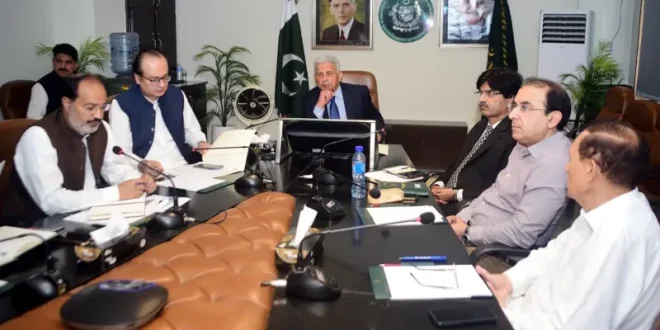
In a significant and reassuring development for the nation, the federal government of Pakistan has officially declared that there will be no wheat shortage across the country. This announcement, made on Saturday, July 12th, 2026, followed the ninth meeting of the high-level Wheat Board, chaired by Federal Minister for National Food Security and Research, Rana Tanveer Hussain.
The positive outlook stems from the successful achievement of seasonal production targets, with current estimates indicating a harvest that is a substantial 1.36 million metric tonnes higher than the previous year. Provincial representatives present at the meeting corroborated the availability of ample wheat stocks across all regions, affirming the country’s capacity to meet its national requirements. Alongside this positive news, food officials issued a stern warning, promising a rigorous crackdown against any attempts at hoarding, artificial price hikes, or market manipulation, underscoring the government’s commitment to maintaining market stability and consumer access. The board collectively expressed satisfaction, noting that strategic production goals for the season had been successfully accomplished.
The pivotal meeting saw the attendance of key stakeholders, including the Secretary of the Ministry of National Food Security and Research, Chief Secretaries of Punjab and Sindh, agriculture and food secretaries from all provinces, senior ministry officials, and representatives from the Pakistan Flour Mills Association, ensuring a comprehensive overview and coordinated strategy.
Background: The Enduring Significance of Wheat in Pakistan
Wheat is not merely a commodity in Pakistan; it is the cornerstone of national food security, deeply embedded in the dietary habits and economic fabric of the country. As the primary staple food, its availability and price directly impact the lives of millions, influencing everything from household budgets to overall political stability. Historically, Pakistan has faced a complex relationship with its wheat supply.
Challenges have ranged from genuine shortfalls due to adverse weather conditions, pest attacks, and water scarcity, to artificial crises fueled by hoarding, speculative trading, and inefficient supply chain management. These issues have, at times, necessitated costly imports, placing significant pressure on the nation’s foreign exchange reserves and contributing to inflationary spirals, particularly in food prices. The government has often grappled with striking a balance between ensuring fair prices for farmers and affordable access for consumers, implementing various procurement policies, subsidies, and strategic reserves to manage the supply-demand dynamics.
The establishment and ongoing function of the Wheat Board itself is a testament to the critical importance placed on monitoring and managing the country’s wheat situation. It serves as a vital inter-provincial and inter-departmental forum to coordinate policies, assess production, manage stocks, and devise strategies to prevent shortages and stabilize prices, reflecting a concerted effort to mitigate past vulnerabilities and ensure a robust food supply system.
Impact on Pakistan: A Ripple Effect of Stability and Confidence
The government’s declaration of no wheat shortage carries profound implications across multiple facets of Pakistani society and economy:
- Enhanced Food Security: Most directly, it reassures the public that the fundamental need for sustenance will be met. This prevents widespread hunger and malnutrition, especially among vulnerable populations, fostering a sense of security and stability within households.
- Economic Stabilization: A robust domestic wheat supply significantly reduces the need for imports, thereby saving precious foreign exchange reserves that can be allocated to other critical sectors. Crucially, it helps to curb food inflation, a persistent challenge in Pakistan, making essential food items more affordable for the common citizen and stabilizing overall consumer prices.
- Boost to the Agricultural Sector: A successful harvest translates into direct economic benefits for millions of farmers, who form the backbone of Pakistan’s economy. It ensures fair returns for their produce, encourages continued investment in agriculture, and contributes to rural prosperity.
- Social Cohesion and Order: Food scarcity and exorbitant prices have historically been catalysts for social unrest and public dissatisfaction. An assured wheat supply removes a significant source of public anxiety, contributing to greater social cohesion and peace.
- Government Confidence and Credibility: Effectively managing the supply of a staple commodity like wheat enhances public trust in the government’s administrative capabilities and its commitment to public welfare. It projects an image of competent governance, both domestically and internationally.
- Reduced Market Manipulation: The explicit warning against hoarding and artificial price hikes, backed by sufficient supply, empowers authorities to take decisive action. This creates a more transparent and equitable market environment, protecting consumers from exploitative practices.
In essence, this announcement paints a picture of relief and stability, suggesting that a critical national challenge has been effectively managed for the current season.
Analysis: A Moment to Consolidate Gains and Plan for the Future
The federal government’s pronouncement regarding the absence of a wheat shortage, underpinned by a significant increase in production, is undoubtedly a commendable achievement for Pakistan. It reflects effective strategic planning, coordinated efforts by the Wheat Board and provincial agricultural departments, and potentially favorable climatic conditions. The proactive warning against hoarding and market manipulation is equally crucial, demonstrating a commitment to translate production success into equitable distribution and stable prices for consumers.
Positive Momentum:
- Effective Coordination: The successful accomplishment of strategic production goals highlights robust coordination between federal and provincial bodies, as well as private stakeholders like the Pakistan Flour Mills Association.
- Reduced Inflationary Pressure: A surplus wheat harvest is a powerful tool against food inflation, providing immediate relief to household budgets and contributing to macroeconomic stability.
- Strengthened National Resilience: Moving from potential import dependency to self-sufficiency (or even surplus) in a staple food commodity significantly enhances national resilience against global food price shocks and supply chain disruptions.
Challenges and Future Imperatives:
While the current situation is positive, it is imperative to view this success as a foundation for long-term strategic planning rather than an end in itself. Several critical areas demand continuous focus:
- Sustainability of Yields: The question remains whether this improved yield is a consistent trend or a result of specific favorable conditions. Pakistan’s agriculture sector remains highly susceptible to climate change, including erratic rainfall patterns, heatwaves, and water scarcity. Investment in climate-resilient crop varieties, modern irrigation techniques, and sustainable farming practices is paramount.
- Post-Harvest Management: Even with a bumper crop, significant losses can occur due to inadequate storage facilities, inefficient transportation, and poor handling. Modernizing grain silos, improving supply chain logistics, and reducing post-harvest waste are vital to ensure the harvested wheat effectively reaches consumers.
- Market Vigilance and Enforcement: While the warning against hoarding is welcome, the real test lies in its consistent and rigorous enforcement. Market manipulation often thrives on information asymmetry and weak oversight, necessitating continuous monitoring and decisive action against culprits.
- Farmer Welfare and Incentives: Sustained agricultural growth depends on incentivizing farmers. Ensuring fair procurement prices, timely access to quality inputs (seeds, fertilizers), and agricultural credit will encourage them to maintain high production levels in subsequent seasons.
- Research and Development: Continuous investment in agricultural research is essential to develop higher-yielding, disease-resistant, and climate-adaptive wheat varieties, ensuring future food security in the face of evolving environmental challenges.
In conclusion, the government’s announcement is a significant moment of relief and a testament to concerted efforts in managing Pakistan’s vital wheat supply. It provides a crucial window of opportunity to consolidate these gains, strengthen institutional frameworks, and implement comprehensive, long-term strategies that build sustainable agricultural resilience, ensuring that food security remains a constant, rather than a seasonal, achievement for the nation.
“`