 Dost Pakistan Journeys Tours and safaris in the North & South Pakistsn
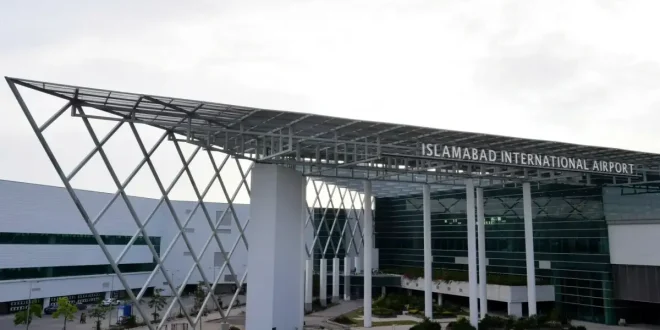
Pakistan’s Landmark Airport Privatization: ADB Guides Islamabad International’s Future
An original analysis by [Your Name/Publication Name]
The News: A Pivotal Appointment for Pakistan’s Infrastructure
In a significant development poised to reshape Pakistan’s aviation sector, the Asian Development Bank (ADB) has officially been designated as the financial and transaction adviser for the outsourcing of Islamabad International Airport (IIA) operations. This crucial agreement, formalizing the ADB’s role, was signed by senior officials from Pakistan’s Privatisation Commission and the ADB, marking a new chapter in the nation’s efforts to reform its state-owned enterprises.
Following approval from the Privatisation Commission Board, a Transaction Advisory Services Agreement (TASA) was inked, entrusting the ADB with comprehensive advisory responsibilities. This includes providing essential technical, financial, legal, environmental, and commercial expertise. The ADB’s mandate is to ensure the transaction is structured and executed in strict adherence to international best practices, fostering a transparent and highly competitive bidding environment designed to attract top-tier international airport operators and investors.
Background: Catalyzing Economic Revival Through Strategic Privatization
Pakistan’s enduring economic challenges, characterized by persistent fiscal deficits, a substantial national debt burden, and a constant need for foreign exchange, have underscored the critical importance of structural reforms. For decades, many of Pakistan’s state-owned enterprises (SOEs), including vital infrastructure assets like its airports, have struggled to reach their full potential, often hampered by bureaucratic inefficiencies, underinvestment, and a lack of competitive operational models.
The government’s decision to outsource the operations of Islamabad International Airport, with similar plans in motion for Karachi and Lahore International Airports, represents more than just a series of isolated transactions. It forms a central pillar of an accelerated privatization program aimed at achieving several key objectives: alleviating financial strain on the national exchequer, injecting much-needed foreign direct investment (FDI), and significantly enhancing the operational efficiency and service quality of critical national assets.
Past privatization attempts in Pakistan have, at times, faced public skepticism regarding transparency and effective execution. However, the involvement of a highly respected multilateral development bank such as the ADB in this landmark transaction signals a deliberate and strategic shift in approach. The ADB’s global reputation for rigorous due diligence, robust governance frameworks, and technical expertise is expected to lend unparalleled credibility and assurance to the entire process. This is crucial for mitigating risks for potential international investors and fostering confidence in the fairness and integrity of the bidding process.
Impact on Pakistan: Modernizing Infrastructure and Boosting Economic Horizons
The successful outsourcing of Islamabad International Airport’s operations holds the potential for transformative benefits across multiple facets of Pakistan’s economy and infrastructure:
- Significant Economic Influx: The transaction is anticipated to attract substantial foreign direct investment, which is vital for bolstering Pakistan’s foreign exchange reserves and improving its balance of payments. Beyond the initial concession fees, private sector engagement promises sustained revenue streams for the government and potentially considerable investments into upgrading and expanding airport infrastructure.
- Enhanced Infrastructure and Service Standards: A private operator, motivated by commercial imperatives and adherence to international competitive standards, is highly likely to invest significantly in modernizing IIA’s facilities. This commitment will translate directly into a markedly improved passenger experience, more efficient cargo handling capabilities, elevated safety and security protocols, and a more streamlined operational environment, positioning IIA more closely with leading global aviation hubs.
- Reduced Fiscal Burden: By transferring the operational responsibilities and the onus of future capital investments to a private entity, the government can significantly reduce its financial obligations towards airport management and development. This allows for the reallocation of public funds to other critical development sectors and reduces pressure on the national budget.
- Job Creation and Skill Development: While initial concerns about potential job displacement are common in such transitions, private sector involvement often catalyzes the creation of new employment opportunities in specialized areas. These can include advanced airport management, logistics, aviation technology, and enhanced customer service roles, fostering skill development within the local workforce.
- Setting a Precedent for Future Reforms: A transparent and successfully executed privatization of IIA, guided by the ADB, could establish a robust blueprint for future public-private partnerships across other key sectors in Pakistan. This success would significantly boost overall investor confidence in the government’s steadfast commitment to comprehensive economic reforms.
Analysis: ADB as a Catalyst for Trust and Transformation
The appointment of the ADB for the IIA privatization transcends a mere advisory function; it represents a profound strategic decision by Pakistan to infuse an unprecedented level of trust and transparency into its large-scale divestment efforts. By engaging a leading multilateral institution, the government effectively signals to the international investment community that this process will strictly adhere to the highest global standards of integrity, fairness, and competitiveness. This factor is particularly critical given the historical context and challenges associated with privatization endeavors in Pakistan.
The ADB’s extensive mandate—encompassing technical, financial, legal, environmental, and commercial advisory services—ensures that every aspect of the long-term concession agreement will be meticulously crafted. This holistic approach is designed to attract and secure top-tier international players, guaranteeing not only operational efficiency but also sustainable development. The careful modifications made to the Transaction Advisory Services Agreement (TASA), specifically regarding indemnity protections for the ADB, highlight the serious and pragmatic approach both parties are taking to navigate the complexities of such a significant transaction, aiming to proactively mitigate potential litigation and ensure smooth execution.
The ambitious nine-month timeline for the IIA outsourcing, with due diligence expected to conclude within three months, powerfully underscores the government’s urgency and resolve. This aggressive schedule, coupled with ongoing preparatory work for Karachi and Lahore airports (each targeted to attract over $500 million in fresh investment), demonstrates a decisive shift towards accelerating crucial economic reforms. The strategic emphasis on IIA as the “first” airport to be outsourced indicates a deliberate intent to build early momentum, showcase a successful and transparent model, and pave the way for subsequent privatizations.
For Pakistan, this initiative is far more than an exercise in offloading a public asset; it is about fundamentally transforming its critical infrastructure, enhancing its global connectivity, and emphatically signaling its readiness for serious foreign investment. The successful privatization of IIA will serve as a pivotal litmus test for the government’s broader economic reform agenda and its ability to effectively harness the dynamism and resources of the private sector for national development and sustained economic growth.
In an era that demands unwavering economic resilience, efficiency, and competitiveness, Pakistan’s strategic partnership with the ADB for its landmark airport privatization could well be the catalyst needed to unlock substantial value, modernize vital infrastructure, and build enduring investor confidence in its economic future.
