 Dost Pakistan Journeys Tours and safaris in the North & South Pakistsn
“`html
Beyond the Headlines: Dr. Akash’s Murder and Karachi’s Struggle Against Organized Crime
The brutal killing of Dr. Akash Kumar, a young and promising physician, during a robbery near Karachi’s Teen Talwar, has sent shockwaves through Pakistan. While the swift arrest of three suspects brings some solace, the incident has ripped open persistent wounds concerning law and order, the chilling sophistication of criminal elements, and the palpable disconnect between official crime statistics and the lived reality of citizens in the country’s economic hub.
The News: A Young Life Extinguished, A City Outraged
Dr. Akash Kumar, a dedicated house officer at Jinnah Postgraduate Medical Centre (JPMC), was tragically shot dead on Monday as robbers intercepted his vehicle in Clifton, making off with approximately Rs2 million. The cash had just been withdrawn from a private bank, intended for his family.
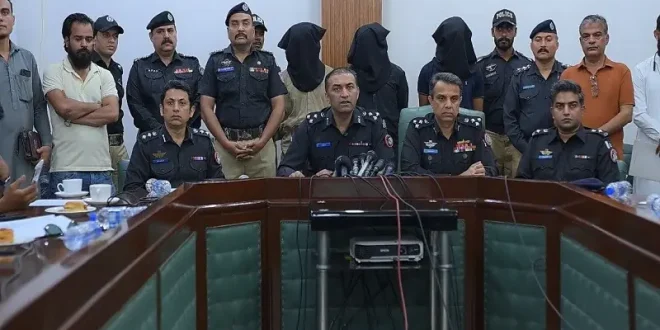
The South Zone police quickly announced the apprehension of three suspects – Suresh, Ram Chand, and Anil – who allegedly confessed to their involvement. Crucially, the police revealed that the gang had an accomplice inside the bank who tipped them off about Dr. Akash’s withdrawal and movements, enabling the targeted attack. The incident triggered widespread protests by the medical community and public condemnation, highlighting deep-seated anxieties about urban security. Despite the high-profile nature of the crime, police officials claimed a decline in cases of robbery with murder and injury this year, a narrative that stands in stark contrast to the public’s sense of insecurity.
Background: Karachi’s Enduring Battle with Crime
Karachi, Pakistan’s largest city and economic powerhouse, has long grappled with a complex and often violent history. From ethnic and political strife to militant insurgencies and widespread street crime, the metropolis has witnessed cycles of lawlessness. While large-scale operations in previous decades brought some semblance of order, particularly against militancy, the menace of street crime has remained a tenacious challenge for its residents.
The city’s rapid growth, economic disparities, and an overburdened law enforcement system have historically created fertile ground for criminal enterprises. The “insider threat” aspect of Dr. Akash’s murder, however, elevates this incident beyond typical street muggings. The revelation of a bank employee colluding with robbers points to a more organized, sophisticated criminal network, one that meticulously plans its operations and exploits vulnerabilities within financial institutions. This is not entirely a new phenomenon in Pakistan, but its recurrence underscores systemic security gaps that continue to put citizens and their assets at severe risk.
Impact on Pakistan: Erosion of Trust and Talent
The repercussions of such a brazen act of violence extend far beyond the immediate tragedy:
- Erosion of Public Trust: Incidents like Dr. Akash’s murder severely undermine public confidence in the state’s ability to protect its citizens. When individuals are targeted after conducting legitimate financial transactions, it fuels a pervasive sense of insecurity and distrust in both law enforcement and financial institutions.
- Brain Drain and Professional Security: The killing of a young doctor, a member of a highly respected and vital profession, sends a chilling message to other professionals. Such incidents contribute to the phenomenon of brain drain, as skilled individuals, especially those with opportunities abroad, may reconsider remaining in or returning to a country where their safety is not guaranteed. The medical community’s protests underscore this particular vulnerability.
- Economic Repercussions: A climate of fear and insecurity deters both local and foreign investment. Businesses face increased operational costs due to security concerns, impacting economic growth. The fear of carrying cash, even for legitimate transactions, can also hinder daily commerce and force a shift towards digital payments, which, while positive in the long run, also requires robust digital security infrastructure.
- Social Fabric and Psychological Toll: Beyond economic statistics, the constant threat of street crime takes a profound psychological toll on citizens. It restricts mobility, fosters suspicion, and erodes the social fabric, replacing trust with pervasive fear.
- Credibility of Official Narratives: When high-profile, brutal crimes occur, official pronouncements of declining crime rates often face skepticism. This creates a credibility gap between the authorities and the public, hindering effective crime prevention efforts and eroding public cooperation.
Analysis: The Chilling Precision of Organized Crime vs. Official Assurances
Dr. Akash’s murder offers a critical lens through which to examine several pressing issues facing Karachi and Pakistan:
The Insider Threat: A Game Changer
The most alarming detail emerging from the investigation is the involvement of a bank insider. This moves the crime beyond random street robbery to a calculated, targeted operation. It suggests:
- Sophistication of Criminal Networks: These are not mere opportunists but organized gangs with tentacles reaching into legitimate institutions. They leverage information and planning, making them far more dangerous and harder to track.
- Breach of Trust within Financial Institutions: Banks are perceived as safe havens for financial transactions. An insider providing information for a robbery represents a fundamental breach of trust and a severe vulnerability that demands immediate and rigorous internal security audits and personnel vetting.
- Increased Vulnerability for Citizens: If criminals are being tipped off about large cash withdrawals, then anyone handling significant sums becomes a potential target, regardless of their precautions once outside the bank.
The Disconnect: Statistics vs. Reality
Police officials, while detailing the arrests, were quick to highlight a supposed decline in “robbery with murder” and “robbery with injury” cases. However, for a public reeling from the brutal killing of a young professional, such statistics often ring hollow. This disparity points to several possibilities:
- Underreporting: Many street crimes might go unreported due to a lack of trust in the system, fear of reprisal, or perceived futility.
- Focus on Raw Numbers vs. Impact: While the absolute number of incidents might fluctuate, the brutality or high-profile nature of certain crimes can have a disproportionately higher impact on public perception and fear levels.
- Evolving Nature of Crime: Even if overall numbers are down, if the nature of crime is becoming more violent, targeted, or sophisticated (as indicated by the “insider” element), the feeling of insecurity will persist.
Systemic Failures and the Path Forward
While the arrests are commendable, they address the symptom, not necessarily the root cause. A lasting solution requires systemic reforms:
- Enhanced Intelligence and Targeted Operations: Beyond reacting to incidents, law enforcement needs robust intelligence gathering to dismantle organized criminal gangs, focusing on their networks and facilitators, including any “insiders” in financial or other institutions.
- Strengthening Bank Security Protocols: Banks must urgently review and fortify their internal security measures, employee vetting processes, and surveillance systems to identify and neutralize insider threats. Encouraging digital transactions with robust security features can also reduce the need for carrying large amounts of cash.
- Judicial Reforms: The revelation that one arrested suspect was recently out on bail, and another declared an absconder, highlights deficiencies in the criminal justice system. Swift trials, stricter bail conditions for repeat offenders, and effective prosecution are crucial to ensure that criminals do not repeatedly return to the streets.
- Community Policing and Public Engagement: Rebuilding trust between the public and law enforcement is vital. Community policing initiatives can foster cooperation and encourage reporting, leading to a more effective response to crime.
- Sustained Political Will: The Sindh Home Minister’s assurances of personal oversight and directives for increased security are positive, but real change demands sustained political will, consistent resource allocation, and measurable outcomes, rather than just reactive measures.
Dr. Akash Kumar’s untimely death is a stark reminder that security is not merely a matter of statistics but of tangible safety and peace of mind for every citizen. Addressing the intricate web of organized crime, fostering trust, and implementing comprehensive reforms are not just policy objectives, but imperatives for the future stability and prosperity of Karachi and, by extension, Pakistan.
“`
