Dost Pakistan Journeys Tours and safaris in the North & South Pakistsn
Related Articles



“`html
Climate’s Fury: Why Gilgit-Baltistan’s Floods Demand a Resilient Future for Pakistan
The Unfolding Crisis in Gilgit-Baltistan
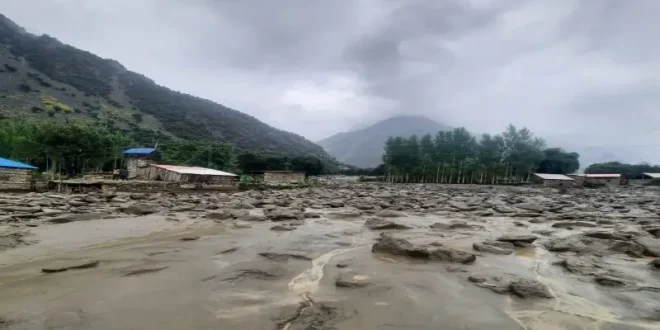
Gilgit-Baltistan, the picturesque mountainous region known for its towering peaks and glacial landscapes, is currently grappling with the severe aftermath of torrential rains. Flash floods and landslides have wreaked havoc, leading to widespread travel disruptions as key arterial roads and vital bridges, including sections of the iconic Karakoram Highway (KKH), Babusar Road, and Baltistan Road, have been washed away or rendered impassable. Thousands, including a significant number of tourists, find themselves stranded across multiple locations, cut off from essential services and the wider network.
The immediate impacts are dire: entire villages disconnected, homes rendered uninhabitable, crucial communication links severed, and basic utilities like electricity and water supply disrupted. The Pakistan Meteorological Department (PMD) had issued warnings for heavy rainfall and the increased risk of glacial lake outburst floods (GLOFs) extending until late July, underscoring the severity and persistence of the threat. Relief and rehabilitation efforts are severely hampered by ongoing flooding and the sheer scale of infrastructural damage, painting a stark picture of a region in distress.
Gilgit-Baltistan: A Fragile Frontier in the Climate Crisis
To understand the profound implications of these floods, one must grasp the unique context of Gilgit-Baltistan. This region, nestled in the Karakoram and Himalayan mountain ranges, is not just a breathtaking tourist destination; it’s a strategically vital area for Pakistan, sharing borders with Afghanistan, China, and India. It is also home to a significant portion of the world’s glaciers outside the polar regions, making it a critical freshwater reservoir for the Indus River system, which is the lifeline of Pakistan’s agriculture.
However, this glacial abundance comes with an inherent vulnerability, especially in the face of accelerating global warming. Gilgit-Baltistan is on the front lines of the climate crisis, experiencing disproportionately rapid glacial melt. This melt contributes to the formation and expansion of glacial lakes. When these natural dams, often composed of unstable moraine, suddenly burst due to excessive water pressure or seismic activity, they unleash a catastrophic phenomenon known as a Glacial Lake Outburst Flood (GLOF). These events are characterized by massive, fast-moving torrents of water and debris, capable of obliterating everything in their path – precisely the destructive force witnessed in the current situation.
The region’s infrastructure, though essential for connectivity and economic activity (particularly tourism), is often built within a challenging, geologically active landscape. Roads carved into mountainsides and bridges spanning fierce rivers are inherently susceptible to the erosive power of flash floods and landslides, vulnerabilities exacerbated by extreme weather patterns driven by climate change.
Wider Implications for Pakistan
The devastation in Gilgit-Baltistan reverberates far beyond its administrative boundaries, carrying significant implications for Pakistan as a whole.
- Economic Strain: The immediate costs of emergency response, relief, and rehabilitation will be substantial. Beyond that, the long-term economic damage includes significant losses in the crucial tourism sector, which provides livelihoods for thousands. Damage to agricultural land and crops further jeopardizes food security and local economies. The disruption of the KKH, a vital artery for trade and the China-Pakistan Economic Corridor (CPEC), has broader economic ripple effects.
- Humanitarian Challenge: Thousands displaced, homes destroyed, and essential services cut off present a significant humanitarian challenge. Ensuring sustained access to food, clean water, shelter, and medical supplies in remote, disconnected areas is a monumental task for disaster management authorities.
- Infrastructure Vulnerability: The recurring damage to critical infrastructure highlights a systemic vulnerability across Pakistan’s mountainous regions. The need for climate-resilient design and construction standards becomes paramount, especially for vital lifelines like the KKH.
- National Security & Strategic Connectivity: Given GB’s strategic location, persistent disruptions to its connectivity can have broader implications for regional stability and trade routes.
- Climate Change Imperative: The events in GB serve as a stark reminder of Pakistan’s extreme vulnerability to climate change. As one of the top ten most climate-vulnerable countries globally, the nation faces escalating risks of extreme weather events, from heatwaves and droughts to torrential rains and GLOFs. These crises demand a unified national strategy for climate adaptation and mitigation.
Towards a Resilient Future: Analysis and Way Forward
The coordinated response from the Gilgit-Baltistan Disaster Management Authority (GBDMA), district administrations, Rescue 1122, and the National Disaster Management Authority (NDMA) is commendable, focusing on evacuations, providing relief supplies, and initiating emergency repairs. Chief Minister Amjad Hussain’s directives for expedited relief and inter-departmental coordination, along with his engagement with NDMA, demonstrate a proactive stance in crisis management. The NDMA’s emphasis on scientific monitoring of glaciers and early warning systems is a positive step.
However, the recurring nature and intensifying scale of these disasters necessitate a fundamental shift from reactive crisis management to a proactive, long-term resilience-building strategy:
- Climate-Resilient Infrastructure: Future infrastructure development in Gilgit-Baltistan must explicitly integrate climate change projections. This means building stronger, higher bridges, designing roads that can withstand increased water flow and landslides, and investing in sustainable, nature-based solutions for flood protection and slope stabilization. While more expensive initially, this approach will prove more cost-effective in the long run than repeated reconstruction.
- Enhanced Early Warning Systems and Community Preparedness: The scientific monitoring of glaciers and weather patterns needs to be coupled with robust, localized early warning systems that effectively reach vulnerable communities. This includes investing in last-mile communication technologies, regular drills, and community-led disaster preparedness training, empowering residents to respond effectively.
- Sustainable Tourism Practices: The tourism sector, while vital, needs to adapt to the new climate reality. This involves promoting sustainable practices, developing alternative routes, establishing clear emergency protocols for tourists, and potentially diversifying economic activities to reduce over-reliance on a sector highly vulnerable to climate disruptions.
- Inter-Agency and Federal-Provincial Collaboration: While coordination is ongoing, strengthening the institutional framework for disaster risk reduction (DRR) and climate change adaptation across federal, provincial, and local levels is crucial. This includes sharing data, resources, and best practices, and developing integrated regional climate action plans.
- Investment in Research and Technology: Continuous investment in glaciology, hydrology, and climate science is essential to better understand local climate impacts and develop innovative solutions. Utilizing advanced satellite imagery, AI-driven predictive models, and local hydrological studies can significantly improve preparedness.
- Addressing Root Causes: Ultimately, Pakistan must continue to advocate for global climate action to reduce greenhouse gas emissions, while simultaneously implementing its national climate pledges. The crisis in Gilgit-Baltistan is a stark reminder that local vulnerabilities are intrinsically linked to global environmental challenges.
The current floods in Gilgit-Baltistan are more than just a seasonal calamity; they are a forceful demonstration of climate change’s grip on Pakistan’s most vulnerable regions. By embracing a holistic, forward-looking approach centered on resilience, preparedness, and sustainable development, Pakistan can better safeguard its people, its economy, and its invaluable natural heritage against the escalating fury of a changing climate.
“`