 Dost Pakistan Journeys Tours and safaris in the North & South Pakistsn
Related Articles

Lahore’s Annual Deluge: Unpacking the Systemic Failures Behind Urban Flooding
Lahore, Pakistan’s vibrant cultural heart and second-largest city, frequently finds itself grappling with a predictable yet persistent challenge during the annual monsoon season: widespread urban flooding. The recent deluge, which saw the city receive a staggering 343 millimetres of rain within 48 hours, plunged routine life into chaos, exposed critical infrastructure weaknesses, and tragically claimed lives across Punjab. While heavy rainfall is a natural phenomenon, the scale of disruption and suffering points to deeper, systemic issues that transcend mere weather patterns.
The Immediate Aftermath: A City Submerged
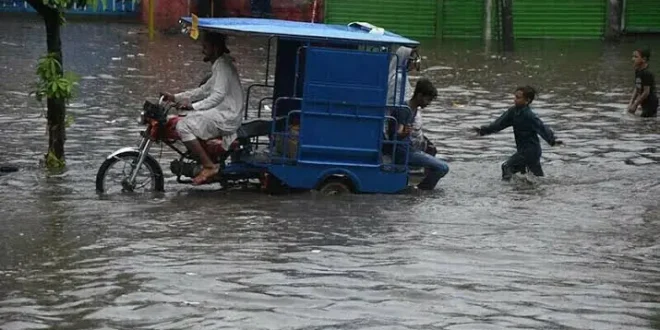
The latest monsoon spell transformed Lahore’s bustling streets into virtual canals. Over 130 locations reported significant water accumulation, with some areas, including parts of DHA, experiencing three to four feet of standing water. This led to the closure of vital underpasses like Ghazi and Masjid Chowk, diverting traffic and causing immense inconvenience for commuters. Vehicles became stranded, roads turned treacherous, and the risk of breakdowns deterred many from venturing out. Beyond the traffic snarls, the rains brought more severe consequences: water inundated homes in low-lying areas, and perilous sinkholes, some measuring 10 square feet, appeared on major thoroughfares like Canal Road, exposing underlying structural vulnerabilities.
The human cost was dire, with the Provincial Disaster Management Authority (PDMA) reporting 21 deaths and 154 injuries across Punjab due to rain-related incidents, primarily from building collapses, electrocution, and drowning. Despite claims from the district administration and the Water and Sanitation Agency (Wasa) Lahore of emergency drainage operations and high alerts, residents’ complaints highlighted a stark disconnect between official preparedness statements and the on-ground reality of submerged communities struggling to cope.
Background: A Cycle of Predictable Chaos
The monsoon season is an intrinsic part of South Asian geography, bringing vital rainfall essential for agriculture and recharging water resources. However, for rapidly urbanizing centers like Lahore, it has increasingly become a harbinger of hardship. The city’s current predicament is not an anomaly but a recurring annual struggle rooted in a confluence of factors:
- Rapid, Unplanned Urbanization: Lahore has experienced explosive growth, often without corresponding upgrades to its foundational infrastructure. The relentless expansion of concrete and asphalt has drastically reduced permeable surfaces, impeding natural water absorption and overwhelming traditional drainage channels.
- Outdated and Inadequate Drainage Infrastructure: Much of Lahore’s drainage system was designed for a bygone era, unable to cope with the increased volume and intensity of modern rainfall patterns. Compounding this, years of insufficient investment in maintenance mean that existing sewers are often choked with solid waste, plastic bags, and debris, severely reducing their already limited capacity.
- Encroachment on Natural Waterways: Many of Lahore’s natural nullahs (stormwater drains) and floodplains have been encroached upon or built over, eliminating crucial pathways for rainwater to flow out of the city.
- Governance and Enforcement Gaps: While authorities like Wasa and PDMA activate “emergency alerts” and “drainage operations” annually, there’s a perceived lack of proactive, long-term planning and rigorous enforcement of building codes and waste management regulations that contribute to the problem.
Impact on Pakistan: Beyond Lahore’s Puddles
The ramifications of Lahore’s monsoon woes extend far beyond the city’s boundaries, echoing challenges faced by many urban centers across Pakistan:
- Economic Disruption: Urban flooding imposes significant economic costs. Businesses face closures, productivity plummets due to disrupted commutes, and vehicles and property sustain damage. The constant need for emergency repairs diverts funds that could otherwise be used for developmental projects.
- Public Health Crisis: Stagnant floodwaters are breeding grounds for waterborne diseases like dengue fever, cholera, and malaria, posing serious public health risks and straining an already overburdened healthcare system.
- Infrastructure Degradation: The appearance of sinkholes and the continuous wear and tear on roads, buildings, and utilities accelerate infrastructure decay, necessitating costly and frequent repairs.
- Erosion of Public Trust: The recurring nature of the problem, coupled with repeated assurances from authorities that often fall short, leads to a significant erosion of public trust in government and municipal bodies’ ability to provide basic services and ensure citizen safety.
- Climate Change Vulnerability: Pakistan is increasingly vulnerable to the impacts of climate change, which manifests as more frequent and intense extreme weather events, including erratic monsoon patterns. What was once considered an exceptional downpour is becoming the new normal, overwhelming even relatively robust systems and exacerbating the existing vulnerabilities of cities like Lahore.
Analysis: Breaking the Cycle of Complacency
Lahore’s monsoon ordeal is a critical case study in the broader challenges of urban resilience in the face of climate change and rapid development. It highlights that the problem isn’t just heavy rain; it’s a systemic failure to adapt and invest in a future-proof urban environment.
The current approach, largely reactive, focuses on immediate relief efforts rather than proactive prevention. While emergency teams are crucial for immediate response, the long-term solution lies in a paradigm shift towards sustainable urban planning and robust infrastructure development. This includes:
- Modernizing Drainage Systems: A comprehensive overhaul and expansion of Lahore’s storm drainage network are imperative, designed to handle projected rainfall intensities under a changing climate. This must be coupled with regular, preventive maintenance and cleaning to ensure functionality.
- Embracing Green Infrastructure: Incorporating permeable pavements, rain gardens, urban wetlands, and protected green spaces can help absorb rainwater naturally, reducing surface runoff and the load on conventional drainage systems.
- Strict Urban Planning and Enforcement: Halting encroachment on natural waterways and enforcing strict building codes that mandate proper drainage and waste management are essential to prevent further degradation of the urban environment.
- Integrated Waste Management: A significant portion of drainage blockages stems from improper solid waste disposal. Implementing effective waste collection, recycling, and public awareness campaigns is critical to keep drains clear.
- Data-Driven Decision Making: Utilizing real-time weather data, urban mapping, and hydrological modeling can inform better predictive measures and resource allocation for flood mitigation.
- Public Awareness and Participation: Citizens also have a role to play through responsible waste disposal, reporting issues promptly, and understanding safe practices during heavy rainfall.
- Accountability and Transparency: Establishing clear accountability mechanisms for infrastructure projects, maintenance schedules, and emergency response will foster greater public trust and ensure sustained effort beyond the monsoon season.
Lahore’s annual monsoon struggles serve as a potent reminder that urban resilience is not merely about coping with the present but strategically planning for a future increasingly shaped by climate variability and population growth. Moving beyond a cycle of emergency responses towards fundamental, sustainable solutions is not just an infrastructure challenge, but a vital investment in the safety, well-being, and economic future of its citizens and, by extension, Pakistan.
