Dost Pakistan Journeys Tours and safaris in the North & South Pakistsn
Related Articles



“`html
Pakistan’s Fuel Price Surge: Navigating Global Conflict and Daily Revisions
The News
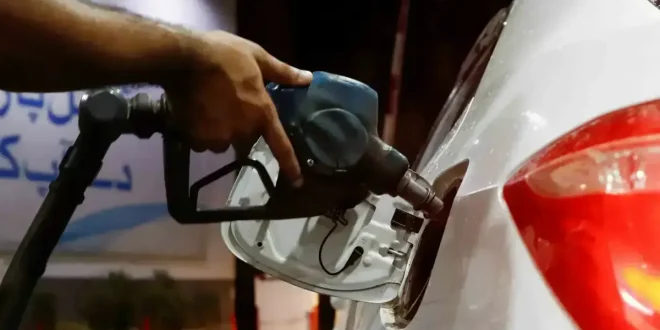
Pakistan is once again grappling with an upward revision in fuel prices, a move that directly impacts millions and underlines the nation’s vulnerability to international energy market volatility. Effective July 24, 2026, the cost of petrol has increased by Rs4.40 per litre, reaching Rs331.52, while high-speed diesel (HSD) saw a hike of Rs3.62 per litre, bringing its price to Rs378.66.
This latest adjustment comes as the government institutes a new daily pricing mechanism for fuel, a significant departure from previous weekly revisions. The decision, announced by Petroleum Minister Ali Pervaiz Malik, is a direct response to the “renewed hostilities in the Persian Gulf” and the resultant rapid fluctuations in global oil benchmarks.
Background: A Volatile Energy Landscape
The current fuel price hikes are not an isolated event but rather a continuation of a challenging period for Pakistan’s energy sector. The year 2026 has been marked by profound instability, largely triggered by the outbreak of the US-Iran conflict on February 28. This geopolitical crisis in the Strait of Hormuz, a critical choke point for global oil shipments, immediately sent shockwaves through international commodity markets, causing oil prices to soar.
Pakistan, heavily reliant on imported crude oil and refined petroleum products, found itself particularly exposed. The initial days of the conflict witnessed unprecedented price surges. By April 3, 2026, petrol had soared to an all-time high of Rs458.41 per litre, a stark increase from its pre-crisis level of approximately Rs266 in early March. Similarly, HSD peaked at Rs520.35 per litre, up from around Rs281 before the conflict erupted.
In an attempt to manage this extreme volatility and ensure some semblance of energy security, the government initially shifted from fortnightly to weekly price revisions in early March. Alongside, measures for fuel conservation and targeted relief programs for subsidised fuel were introduced in April. However, as global uncertainties persist, a more dynamic approach was deemed necessary, culminating in the decision to empower the Oil and Gas Regulatory Authority (OGRA) to determine fuel prices on a daily basis, reflecting real-time international market trends.
Impact on Pakistan: Economic Ripples and Public Burden
The consistent upward pressure on fuel prices has far-reaching consequences across Pakistan’s economy and for its citizens:
- Accelerated Inflation: Fuel is a fundamental input for almost every sector. Increased diesel prices directly translate to higher transportation costs for goods, impacting the supply chain of essential commodities from food to medicines. This fuels inflationary pressures, eroding the purchasing power of already strained households. Diesel also powers critical infrastructure like heavy transport, industrial machinery, and a significant portion of power generation, making its price particularly impactful.
- Cost of Living for Commuters: Petrol, primarily consumed by private vehicles, motorcycles, and rickshaws, directly affects the middle and lower-middle classes. Daily commutes become more expensive, squeezing household budgets that are already under pressure. Small businesses relying on transport for logistics or deliveries also face rising operational costs, potentially leading to increased prices for consumers or reduced profit margins.
- Government Revenue vs. Public Welfare: While the government collects substantial revenue through petroleum levy and other duties (currently Rs110/litre on petrol and Rs96/litre on diesel), this reliance on fuel taxation places a significant burden on the populace. Balancing the need for fiscal stability with public relief remains a persistent challenge for policymakers, especially during periods of global price volatility.
- Operational Challenges for Dealers: The shift to daily pricing has been met with resistance, notably from the All Pakistan Dealers Association, which is contemplating protest actions. Rapid price changes introduce complexities for fuel station owners regarding inventory management, pricing updates, and potential losses on stock purchased at higher rates, impacting their business viability.
Analysis: Navigating Uncertainty with a New Normal
The implementation of a daily fuel pricing mechanism by OGRA represents a critical juncture for Pakistan’s energy policy. This move, while perhaps unavoidable given the extreme volatility of international markets, comes with its own set of advantages and disadvantages:
- Pros of Daily Pricing: It allows for a more immediate reflection of global price movements, potentially enabling consumers to benefit quickly from any downturns in international oil prices. It also enhances transparency by linking local prices directly to global benchmarks without significant time lags, theoretically reducing speculative hoarding.
- Cons of Daily Pricing: The primary concern is increased unpredictability. Both consumers and businesses will find it challenging to budget and plan amidst daily fluctuations. For industries heavily reliant on transportation, this adds another layer of operational uncertainty. Moreover, it places a considerable administrative burden on OGRA and requires robust, real-time data infrastructure to ensure smooth implementation and communication.
Pakistan’s predicament underscores a broader lesson: an import-dependent economy is inherently susceptible to global shocks. The Strait of Hormuz crisis has highlighted the urgent need for a diversified energy mix, greater investment in renewable energy sources, and improvements in public transportation infrastructure to lessen the reliance on fossil fuels. While the government’s measures aim to manage the immediate crisis, the long-term outlook necessitates a fundamental shift in energy strategy.
The immediate future for Pakistani consumers remains uncertain, tethered to the ebb and flow of geopolitical tensions in the Middle East. The daily pricing mechanism, while intended to bring agility, also institutionalizes a new era of constant flux in a vital sector, demanding greater resilience and adaptability from all stakeholders.
Disclaimer: This analysis is based on the provided news context and general economic principles as of July 24, 2026. Fuel prices and geopolitical situations are subject to rapid changes.
“`