 Dost Pakistan Journeys Tours and safaris in the North & South Pakistsn
Beyond the Rivers: Analyzing Punjab’s Recurring Flood Crisis and Pakistan’s Monsoon Vulnerability
As Pakistan faces another formidable monsoon season, fresh alerts from the Flood Forecasting Division (FFD) signal a escalating crisis in Punjab. The Chenab and Ravi rivers are projected to reach medium to high flood levels within the next 24 hours, intensifying an already severe situation where vast stretches of land lie submerged. This cyclical challenge demands a deeper examination of the underlying issues at play, moving beyond immediate relief to understanding systemic vulnerabilities.
The Immediate News: Punjab Confronts a Spreading Deluge
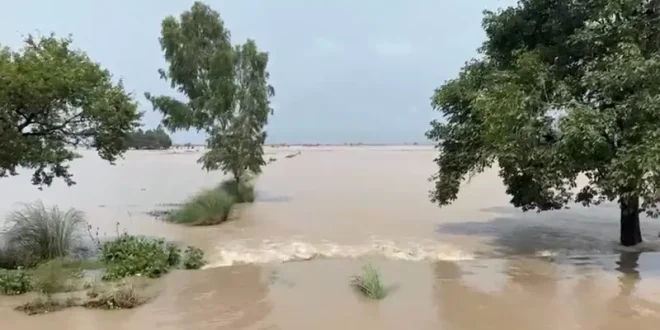
The urgency of the situation is underscored by the fact that approximately 400 square kilometers across key Punjab districts, including Sheikhupura, Muridke, Gujranwala, Narowal, Sambrial, and Pasrur, are already under water. This widespread inundation has caused significant damage to the region’s agricultural sector, jeopardizing standing crops and livestock, and disrupting essential infrastructure. Officials have starkly depicted the scene as an “inland sea,” highlighting the unprecedented scale of the current flooding.
A particularly concerning observation from the Punjab irrigation department reveals an abnormal increase in the Ravi River’s flow. At Shahdara, the flow was recorded at 22,000 cusecs, yet downstream at Balloki, it inexplicably surged to 87,000 cusecs. This substantial increase of 65,000 cusecs is attributed not just to the river’s natural flow but, crucially, to the overwhelming contributions from local drains and torrential rainfall. This anomaly points towards a complex problem that extends beyond mere river capacity.
In response, district administrations in Lahore, Gujranwala, Sheikhupura, Sialkot, Narowal, and Khanewal have been placed on high alert. Emergency operations are being rapidly mobilized, including the establishment of relief camps, and efforts to review and improve drainage are underway. However, the anticipated medium to high flood levels in the Chenab (at Marala, Khanki, Qadirabad) and Ravi (at Balloki, Sidhnai) foreshadow an escalation that will severely test existing emergency response capabilities.
Background: Pakistan’s Enduring Monsoon Vulnerability
Pakistan’s geographical position and climatic patterns render it acutely susceptible to the annual monsoon season, typically occurring from July to September. While these rains are indispensable for agriculture and for recharging the Indus River System – the country’s primary water source – their increasing intensity, widely linked to global climate change, frequently transforms this vital resource into a devastating force.
The Ravi and Chenab rivers are pivotal tributaries within the broader Indus Basin, originating in the Himalayas and traversing the fertile plains of Punjab. Throughout history, these rivers have been central to the region’s prosperity, yet also a source of its vulnerability to natural disasters. Historical events like the catastrophic floods of 2010 and the unprecedented deluge of 2022, which submerged a third of the nation, serve as grim reminders of Pakistan’s recurring susceptibility to extreme weather. Each monsoon season brings with it the persistent threat of displacement, severe economic disruption, and loss of life, pushing the nation’s disaster management infrastructure to its very limits.
Compounding the natural hydrology, factors such as rapid, often unplanned, urbanization and the degradation of natural floodplains exacerbate the problem. Encroachments on riverbanks and inadequate, antiquated drainage systems mean that even moderate rainfall can quickly overwhelm both urban and peri-urban areas, transforming streets into torrents and intensifying the ‘inland sea’ effect described by authorities.
Impact on Pakistan: A Multi-faceted Crisis Unfolds
The widespread flooding currently engulfing Punjab precipitates a cascade of consequences across various sectors of Pakistani society and its economy:
- Agricultural Devastation: As Punjab stands as Pakistan’s agricultural heartland, the destruction of standing crops and the tragic loss of livestock directly imperils food security, devastates farmer livelihoods, and inflicts significant damage on the national economy. The process of agricultural recovery is typically protracted and financially burdensome.
- Infrastructure Collapse: Vital infrastructure, including roads, bridges, and residential housing, faces severe damage from floodwaters. This necessitates costly repairs and reconstruction, while disrupted transportation networks impede urgent relief efforts and stifle economic activity, often isolating vulnerable communities.
- Humanitarian Crisis: The displacement of thousands from their homes creates an immediate humanitarian challenge, demanding extensive relief operations for shelter, food, and medical assistance. The risk of waterborne diseases in densely populated relief camps poses a significant public health concern.
- Economic Strain: Beyond the immediate material damages, recurring floods divert crucial national financial resources from long-term development projects towards emergency response and rehabilitation efforts. This creates a debilitating cycle of recovery that impedes sustained economic growth.
- Environmental Degradation: Flooding contributes to severe soil erosion, disrupts delicate ecosystems, and can lead to long-term environmental damage, impacting biodiversity and the fertility of agricultural lands.
Analysis: Systemic Failures Amidst Climate Change Realities
The current crisis in Punjab is not solely a product of heavy monsoon rainfall; rather, it vividly exposes deeper, systemic vulnerabilities within the nation’s infrastructure and governance, while simultaneously highlighting the escalating pressures of climate change.
The Overwhelmed Drainage Systems: A Critical Weak Point
The official’s revelation regarding the Ravi River’s downstream flow increasing dramatically by 65,000 cusecs, attributed to “drains and rainfall,” is arguably the most telling detail. This points directly to a critical failure of local drainage infrastructure and an apparent inadequacy in effective rainwater harvesting or management. When drains, initially designed for specific capacities, are overwhelmed, they cease to function as conduits for excess water. Instead, they become instruments of flooding, turning residential areas and agricultural fields into extensions of the river itself. This crucial insight suggests that while upstream river levels are a significant concern, a primary driver of the extensive inundation in many affected areas is localized flash flooding and the failure of existing drainage systems, rather than solely riverine overflow.
Climate Change Amplification
The description of the situation as “unprecedented” for the monsoon season resonates profoundly with global climate patterns. Pakistan, consistently ranked among the nations most vulnerable to the impacts of climate change, is experiencing an undeniable amplification of extreme weather events. Monsoon patterns are becoming increasingly erratic and intense, characterized by shorter, more concentrated bursts of torrential rainfall that quickly overwhelm both natural and artificial drainage systems. This intensifying reality necessitates a fundamental shift from conventional, reactive flood management approaches to comprehensive, proactive climate adaptation strategies.
The Imperative for Integrated Water Management
The recurring nature of these devastating floods demands a paradigm shift in how Pakistan manages its water resources. While immediate emergency responses are vital, sustainable, long-term solutions must focus on:
- Upgrading Drainage Infrastructure: Significant investment is required to modernize and expand both urban and rural drainage systems, equipping them with the capacity to effectively cope with intensified rainfall volumes.
- Watershed Management: Implementing holistic strategies such as reforestation, comprehensive soil conservation initiatives, and the strategic construction of retention ponds in upper catchment areas to naturally slow down water flow and significantly reduce runoff into rivers and drains.
- Floodplain Zoning and Enforcement: Instituting and rigorously enforcing strict regulations against encroachment on natural floodplains. This allows rivers the necessary space to expand during high-flow periods without causing widespread damage to human settlements and infrastructure.
- Enhanced Early Warning and Preparedness: Continuously improving the accuracy, reach, and timeliness of flood forecasting, coupled with robust community-level preparedness programs and well-rehearsed evacuation plans.
- Regional Cooperation: Given that the Ravi and Chenab are transboundary rivers, fostering strong cooperation with upstream nations on critical aspects like water flow management and timely data sharing is paramount for effective mitigation.
Moving Beyond Reactive Measures
The current efforts by district administrations to establish relief camps and diligently monitor water levels represent commendable reactive measures. However, the distressing, repeated cycle of disaster and recovery vividly underscores the urgent need for a shift towards proactive, preventative strategies. This calls for a sustained national commitment to building climate resilience, rigorously integrating flood risk reduction into all national and local development planning, and comprehensively educating communities on effective preparedness measures.
Pakistan’s acute vulnerability to monsoon floods presents a multifaceted challenge, deeply interwoven with the realities of climate change, persistent infrastructure deficits, and complex socio-economic factors. While the immediate focus must remain on humanitarian relief and mitigating the current crisis, the overarching long-term imperative is to construct a more resilient nation – one capable of sustainably coexisting with, rather than merely reacting to, the powerful and often unpredictable forces of nature.
