Dost Pakistan Journeys Tours and safaris in the North & South Pakistsn
Related Articles


Pakistan-Kuwait Deepen Ties: A Strategic Dialogue on Security and Investment
Unpacking the recent high-level engagements between Islamabad and Kuwait City and their broader implications for regional stability and economic growth.
The Recent Diplomatic Surge: Key Meetings and Outcomes
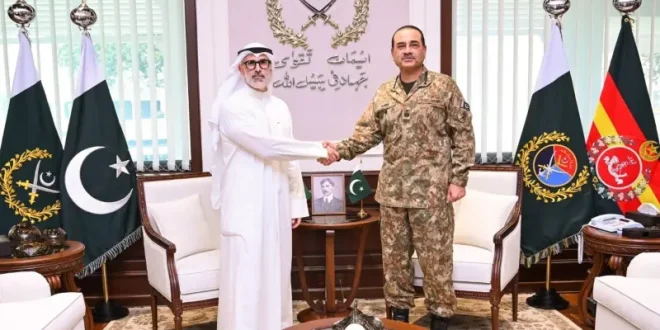
A recent high-profile visit by Kuwait’s Foreign Minister, Sheikh Jarrah Jaber Al-Ahmad Al-Sabah, to Pakistan has signaled a significant push to invigorate the longstanding bilateral relationship. The diplomatic itinerary was comprehensive, featuring crucial meetings with Pakistan’s Chief of Defence Forces (CDF) Field Marshal Asim Munir, Prime Minister Shehbaz Sharif, and Deputy Prime Minister cum Foreign Minister Ishaq Dar.
At the heart of these discussions were twin objectives: enhancing bilateral cooperation across diverse sectors and addressing pressing regional security challenges. Discussions with Field Marshal Munir focused on mutual interests and strengthening defence ties, with both nations reiterating a shared vision for peace and prosperity in the region. Simultaneously, engagements with PM Sharif and DPM Dar explored avenues for greater collaboration in trade, investment, energy, agriculture, information technology, maritime affairs, and human resource development.
A notable aspect of these talks was the candid exchange on the evolving situation in the Middle East. Pakistan’s leadership reaffirmed solidarity with Kuwait and condemned attacks on Gulf countries, emphasizing Islamabad’s role as a “sincere mediator and facilitator” in regional peace efforts. Kuwait, in turn, acknowledged Pakistan’s steadfast support and constructive contributions to stability. The visit culminated in a mutual commitment to foster institutional linkages, conduct regular high-level exchanges, and facilitate future delegations, including a reiterated invitation for the Kuwaiti Crown Prince to visit Pakistan.
Historical Context: A Foundation of Shared Values
The relationship between Pakistan and Kuwait is deeply rooted in shared Islamic heritage, mutual trust, and robust people-to-people connections. For decades, Kuwait has been a vital destination for Pakistani expatriate workers, contributing significantly to Pakistan’s economy through remittances. This human capital link forms a strong bedrock for diplomatic and economic ties.
Strategically, both nations reside in dynamic geopolitical landscapes. Kuwait, a key member of the Gulf Cooperation Council (GCC) and a significant global energy producer, plays a crucial role in regional stability and energy markets. Pakistan, with its strategic location at the crossroads of South Asia, Central Asia, and the Middle East, holds considerable geopolitical importance. The ongoing Middle East conflict, particularly concerning Palestine, adds a layer of complexity and urgency to discussions on regional peace and security.
From Pakistan’s perspective, these engagements are particularly timely given its current economic landscape. Islamabad is actively seeking foreign investment, diversifying its energy sources, and expanding its export markets. Deepening ties with energy-rich Gulf states like Kuwait offers a promising pathway towards addressing these critical national priorities, including potential for an expanded defence pact and energy cooperation, as recently reported by Reuters.
Impact on Pakistan: Fuelling Economic Growth and Strategic Influence
The outcomes of this visit carry significant implications for Pakistan across several fronts:
- Economic Revitalization: The explicit focus on trade, investment, and energy cooperation signals a potential influx of Kuwaiti capital into Pakistan. Kuwait’s substantial sovereign wealth funds could be a game-changer for Pakistan’s infrastructure, energy projects, and emerging industries. Enhanced agricultural cooperation could also bolster food security and export potential.
- Energy Security: As a major energy importer, Pakistan stands to benefit immensely from closer energy partnerships with Kuwait, ensuring more stable and diversified energy supplies – a critical component for industrial growth and national development.
- Enhanced Defence Capabilities: Discussions around defence cooperation, particularly the possibility of an expanded pact, could lead to joint training, technology transfer, and even procurement deals, bolstering Pakistan’s defence industry and military readiness.
- Diplomatic Standing and Regional Peace: Pakistan’s reiteration of its role as a mediator in the Middle East, coupled with Kuwait’s appreciation for its efforts, reinforces Islamabad’s diplomatic credibility. A stable Middle East is vital for Pakistan’s economic interests and regional security, given the large Pakistani diaspora there.
- Human Resource Development: Strengthening cooperation in human resource development can lead to more opportunities for Pakistani workers in Kuwait, securing vital remittances and skilled labor export.
This multifaceted engagement underscores Pakistan’s pragmatic economic diplomacy, leveraging its historical ties and strategic position to secure tangible benefits.
Analysis: Charting a Course for Deeper Strategic Partnership
The recent visit by Kuwait’s Foreign Minister to Pakistan is more than a mere courtesy call; it represents a calculated move towards solidifying a comprehensive strategic partnership. Several analytical points emerge:
- Strategic Imperative: Both nations recognize the evolving geopolitical landscape and the need for stronger alliances. For Pakistan, Kuwait represents a stable, affluent Gulf partner crucial for economic resuscitation and regional influence. For Kuwait, Pakistan offers a skilled workforce, strategic depth, and a reliable partner for defence and regional security.
- Beyond Traditional Ties: While “brotherly relations” remain a strong narrative, the detailed discussions on specific sectors like IT, mining, and maritime affairs indicate a shift towards a more results-oriented, modern partnership. The emphasis on institutional linkages suggests a desire for structured, long-term cooperation rather than ad-hoc agreements.
- Balancing Act in the Middle East: Pakistan’s delicate diplomatic position, condemning attacks on Gulf nations while advocating for a just resolution to the Palestine issue, highlights its attempt to maintain broad regional goodwill. This balancing act is crucial for its strategic interests with both Arab states and the wider Muslim world.
- Economic Diplomacy at Forefront: The sheer number of Pakistani federal ministers present at the meeting with PM Sharif – spanning defence, commerce, energy, agriculture, and IT – unequivocally signals that economic upliftment is a primary driver for Pakistan in this renewed engagement. Attracting Kuwaiti investment is a top priority.
- Defence as a Cornerstone: The meeting between Kuwait’s top diplomat and Pakistan’s Army Chief, alongside reports of an expanded defence pact, underscores the growing security dimension of this relationship. Pakistan’s proven military expertise and Kuwait’s security concerns in a volatile region create a natural synergy.
The visit sets a clear trajectory for a more robust and diversified relationship. The forthcoming exchanges of delegations and the potential visit of the Kuwaiti Crown Prince are critical steps that will likely translate these discussions into concrete projects and agreements. As Pakistan navigates its economic challenges and regional complexities, closer ties with reliable Gulf partners like Kuwait will be instrumental in fostering stability, economic growth, and enhancing its strategic footprint on the global stage.