 Dost Pakistan Journeys Tours and safaris in the North & South Pakistsn
“`html
Pakistan’s Fuel Paradox: Minor Cuts Mask Major Energy Crisis Amidst Geopolitical Volatility
Pakistan’s latest fuel price adjustments reveal a complex energy landscape: minuscule relief for consumers on petrol and diesel, overshadowed by an alarming surge in Regasified Liquefied Natural Gas (RLNG) prices. This scenario, largely driven by the ongoing US-Iran conflict, highlights the nation’s acute vulnerability to global energy market fluctuations and poses significant challenges for economic stability and the cost of living.
The Nuance of Recent Fuel Adjustments
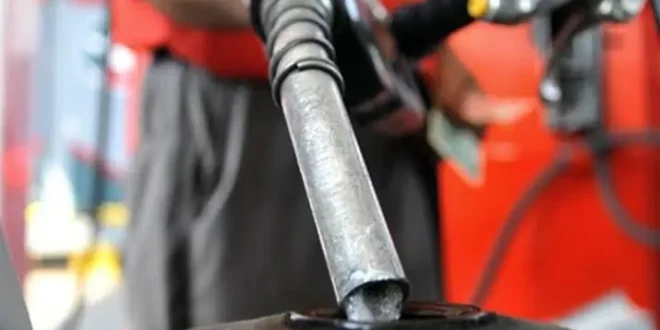
The government recently announced a marginal reduction in petrol prices by 12 paisas and high-speed diesel (HSD) by 66 paisas per litre, effective for the first three days of August. While any downward adjustment might appear as welcome news, these minor cuts bring petrol to Rs336.03 per litre and HSD to Rs392.38 per litre, remaining significantly elevated compared to pre-crisis levels. This minimal relief is dwarfed by the government’s continued imposition of substantial taxes and duties, amounting to Rs110 per litre on petrol and Rs96 per litre on diesel, which are crucial revenue streams for the national exchequer.
As illustrated by the embedded chart, fuel prices experienced an unprecedented surge following the outbreak of the US-Iran war on February 28, 2026. Petrol peaked at Rs458.41 and diesel at Rs520.35 on April 3, reflecting the immediate impact of the Strait of Hormuz crisis. While prices have since retreated from these historic highs, they remain considerably above the pre-crisis baseline of Rs266.17 for petrol and Rs280.86 for diesel.
The Alarming RLNG Price Shock and its Broader Implications
In stark contrast to the minor relief on liquid fuels, the Oil and Gas Regulatory Authority (OGRA) delivered a severe blow by notifying a record 32% increase in the price of RLNG for August. This monumental hike pushes RLNG prices to an unprecedented $25.83 per mmBtu for SNGPL and $25.09 per mmBtu for SSGCL, translating to a retail price of Rs7,204 per mmBtu. This marks the single largest jump in RLNG rates in its decade-long history, coming on the heels of a 15% increase last month.
Comparing the current RLNG price to February’s $10.45 per mmBtu (Rs2,916), the August figures represent a staggering 148% cumulative increase. This dramatic escalation is primarily attributed to the inability to secure shipments from Qatar due to the ongoing US-Iran war, forcing Pakistan to rely on the volatile spot market for imported cargoes.
Direct Impact on Power Generation and Inflation
The ripple effects of this RLNG surge are profound, particularly for Pakistan’s power sector. RLNG-based power generation, a vital component of the national energy mix, will face significantly higher fuel costs. For instance, the fuel cost for RLNG-based power generation in May stood at Rs31 per unit, a sharp increase from Rs13.72 per unit in April. This direct increase in energy production costs will inevitably translate into higher electricity tariffs for consumers and industries, further exacerbating the nation’s inflationary pressures and posing a severe challenge to industrial competitiveness.
Policy Adjustments and Public Concerns
In response to the volatile international market dynamics, Petroleum Minister Ali Pervaiz Malik previously announced a shift to a daily pricing mechanism for fuel, granting OGRA the responsibility to adjust prices based on real-time global trends. This policy aims to enhance transparency and responsiveness to global price fluctuations. However, this move has not been without controversy. The All Pakistan Dealers Association has voiced strong objections, threatening protests over the challenges posed by frequent price changes to their operational models and inventory management.
While the government had also previously announced targeted relief measures and weekly price revisions to conserve fuel amidst the Middle East conflict, the sheer scale of the recent RLNG hike underscores the limitations of such measures in insulating the economy from major external shocks.
Geopolitical Tensions and Pakistan’s Energy Vulnerability
The current scenario vividly illustrates Pakistan’s profound reliance on imported energy and its vulnerability to geopolitical events far beyond its control. The US-Iran war, particularly its impact on crucial shipping lanes like the Strait of Hormuz, has created a global energy crisis that directly translates into higher costs for Pakistani consumers and businesses. Petrol and HSD, essential for private transport, agriculture, and the heavy transport sector, directly affect the cost of goods and services, disproportionately impacting the middle and lower-middle classes. The sharp rise in RLNG prices further highlights the delicate balance between energy demand, supply security, and affordability.
Navigating an Uncertain Energy Future
The latest fuel price adjustments paint a sobering picture for Pakistan’s economy. While minor reductions in petrol and diesel offer symbolic relief, the colossal increase in RLNG prices presents a formidable challenge, promising higher electricity bills and amplified inflation. The shift to daily pricing by OGRA is an attempt to manage market volatility, but it also introduces new complexities for domestic stakeholders.
Moving forward, Pakistan’s government faces the critical task of not only managing immediate price shocks but also devising a robust, long-term energy policy. This must involve strategic diversification of energy sources, enhanced domestic exploration, investment in renewable energy, and robust diplomatic efforts to secure stable energy supplies. Without a comprehensive approach, the nation will continue to be buffeted by global geopolitical storms, with its citizens bearing the brunt of an increasingly expensive and uncertain energy future.
“`
