Dost Pakistan Journeys Tours and safaris in the North & South Pakistsn
Related Articles


“`html
Hyderabad’s Monsoon Misery: A Deep Dive into Urban Resilience in Pakistan
The Latest News: Hyderabad Grapples with Monsoon’s Fury
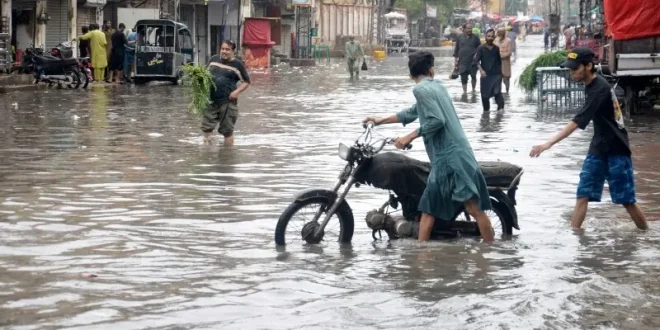
Recent intermittent rainfall has once again brought the bustling city of Hyderabad, Pakistan, to a standstill. Recording between 40mm and 42mm of rain, the downpour, while seemingly moderate, triggered widespread disruptions characteristic of severe urban flooding. Key infrastructure, particularly electricity and water supply, crumbled under the pressure. The Hyderabad Electric Supply Company (HESCO) reported that an alarming 285 out of its 722 11kV feeders, including 66 within the city itself, were rendered non-operational, plunging vast areas into darkness.

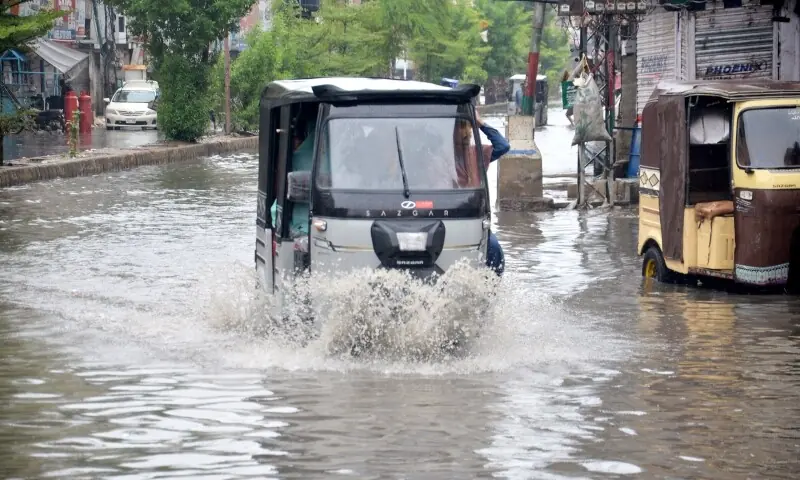
The impact extended beyond power outages. Major thoroughfares transformed into makeshift canals, paralyzing public mobility and severing connectivity. Consequently, business activities across vital commercial hubs like the City Cloth Market, Tower Market, and various units in Latifabad ground to a halt. Compounding the crisis, water supply facilities operated by the Hyderabad Water and Sewerage Corporation (HWSC) also succumbed to the power failures, leaving residents without access to essential clean water. This localized crisis in Hyderabad mirrors a broader regional pattern, with other Sindh districts such as Mithi (126mm), Chhor (81mm), and Badin (69mm) experiencing even heavier precipitation, all falling within the Pakistan Meteorological Department’s (PMD) forecast of heavy to very heavy rainfall expected across parts of Punjab, Sindh, and Balochistan until August 4.
Background: Pakistan’s Annual Monsoon and Urban Vulnerabilities
The monsoon season is an annual climatic phenomenon crucial for Pakistan’s agricultural sector, providing much-needed water for irrigation and recharging groundwater reserves. However, for urban centers like Hyderabad, situated on the east bank of the Indus River and Sindh’s second-largest city, it often transforms into a period of extreme vulnerability and disruption. The challenges faced during these heavy rains are not new; they represent a recurring cycle deeply rooted in systemic issues related to urban planning, infrastructure, and governance.
- Aging Infrastructure: Many of Pakistan’s major cities, including Hyderabad, rely on decades-old drainage and sewerage systems that were never designed to accommodate the rapid population growth and increased concrete footprint of modern urbanization. These systems often lack the capacity to handle intense downpours, leading to quick inundation.
- Unplanned Urbanization: Haphazard expansion, encroachment on natural waterways, and the proliferation of informal settlements often obstruct natural drainage paths, exacerbating waterlogging. Impermeable surfaces like concrete and asphalt prevent rainwater from seeping into the ground, increasing surface runoff.
- Power Sector Fragility: Pakistan’s power distribution infrastructure, characterized by extensive overhead cabling and often inadequate maintenance, is notoriously susceptible to monsoon weather. Rain, wind, and lightning frequently cause faults, leading to widespread and prolonged power outages, which in turn cripple other essential services like water supply and communication.
- Climate Change Impact: Increasingly, the intensity and unpredictability of monsoon rains are being linked to global climate change. Pakistan is highly vulnerable to extreme weather events, experiencing more frequent and severe floods, heatwaves, and droughts. This means that cities must prepare not just for ‘normal’ monsoons but for more extreme rainfall events.
Broader Impact on Pakistan: Beyond Hyderabad’s Streets
While the immediate impact of the recent rains is felt most acutely in Hyderabad, the challenges highlighted by this event have far-reaching implications for Pakistan as a whole. The recurring urban flooding and infrastructure failures during monsoon reveal a national vulnerability:
- Economic Disruption: From daily wage earners losing their livelihoods to major markets shutting down, the economic cost of monsoon flooding is immense. Businesses incur losses, supply chains are disrupted, and productivity dips, collectively impacting the national economy.
- Public Health Crisis: Stagnant floodwaters create breeding grounds for mosquitoes (leading to diseases like dengue and malaria) and contaminate drinking water sources, increasing the risk of waterborne diseases such as cholera and typhoid. Access to healthcare also becomes challenging during emergencies.
- Infrastructure Damage: Roads erode, buildings weaken, and public utilities suffer significant damage, requiring substantial funds for repairs and reconstruction – a burden on already stretched public budgets.
- Agriculture Sector Vulnerability: While monsoon rains are vital for agriculture, excessive and untimely flooding can devastate standing crops, especially in Sindh’s fertile plains, leading to food insecurity and economic hardship for farmers.
- Governance and Preparedness Test: Each monsoon season serves as a critical test for local and national disaster management agencies. The consistent failure to prevent widespread disruption points to gaps in early warning systems, emergency response, and long-term urban planning.
- Social Dislocation: In severe cases, families are displaced, homes are damaged, and daily life is severely affected, leading to psychological stress and social disruption among the populace.
Analysis: A Cycle of Neglect and the Path to Resilience
The situation in Hyderabad is a stark reminder that the challenges posed by monsoon rains in Pakistani cities are not merely natural disasters but are significantly exacerbated by human-made vulnerabilities. The 40mm of rain that crippled Hyderabad is not an exceptionally high figure globally, yet its consequences were severe. This points to systemic failures rather than just an overwhelming natural event.
Key areas of systemic failure include:
- Inadequate Urban Planning and Development: Cities like Hyderabad often lack comprehensive master plans that account for population growth, climate change, and robust infrastructure. Encroachments on drainage channels and a lack of proper zoning further complicate matters.
- Underinvestment in Infrastructure: Decades of underfunding for the maintenance and upgrade of critical infrastructure – including storm drains, sewerage systems, and power grids – have left them fragile and ill-equipped to handle modern demands.
- Poor Waste Management: A significant contributor to urban flooding is the clogging of drains with solid waste. Inadequate waste collection and disposal systems mean that litter frequently finds its way into drainage channels, rendering them ineffective.
- Lack of Inter-Agency Coordination: The fragmented responsibilities among various civic bodies (e.g., municipal corporations, water and sewerage boards, power distribution companies) often lead to a lack of coordinated effort in both preparedness and response. When HESCO fails, HWSC suffers, illustrating this interdependence.
- Limited Disaster Preparedness and Climate Adaptation: While forecasts like PMD’s are issued, the tangible preparedness at the municipal level often falls short. There’s a critical need for long-term climate adaptation strategies, including flood-resilient infrastructure and early warning systems integrated with community action plans.
To break this recurring cycle of disruption and misery, Pakistan, particularly its vulnerable urban centers like Hyderabad, must embark on a multi-pronged strategy focused on resilience:
- Modernize Drainage Systems: Invest significantly in upgrading and expanding storm-water drainage and sewerage networks, incorporating sustainable urban drainage solutions (SUDS) that mimic natural processes.
- Robust Urban Planning: Implement and enforce stringent urban planning regulations, protect natural drainage corridors, and prevent encroachments. Future developments must integrate flood resilience by design.
- Upgrade Power Infrastructure: Transition towards underground cabling in densely populated and high-risk areas to minimize power outages during adverse weather. Improve maintenance schedules and incorporate smart grid technologies.
- Effective Waste Management: Implement comprehensive solid waste management systems, including regular collection, proper disposal, and public awareness campaigns to prevent littering.
- Strengthen Inter-Agency Coordination: Establish clear lines of communication, responsibility, and accountability among all civic bodies, ensuring synchronized efforts during crises.
- Climate Change Adaptation: Develop and implement long-term strategies to adapt to changing weather patterns, including climate-resilient infrastructure, flood mapping, and community-based disaster risk reduction programs.
- Public Awareness and Engagement: Educate citizens on responsible waste disposal, precautions during monsoons, and emergency procedures to foster community resilience.
The monsoon’s annual arrival should not be a harbinger of urban paralysis. By addressing these foundational issues with foresight, investment, and coordinated action, Hyderabad and other Pakistani cities can transform their vulnerability into resilience, ensuring that essential services remain uninterrupted and daily life can continue, even when the skies open up.
“`