 Dost Pakistan Journeys Tours and safaris in the North & South Pakistsn
Related Articles


“`html
Insulin Product in Short Supply After German Manufacturer Halts Supplies, NA Told: A Deep Dive into Pakistan’s Healthcare Vulnerabilities
The Current Insulin Shortage in Pakistan
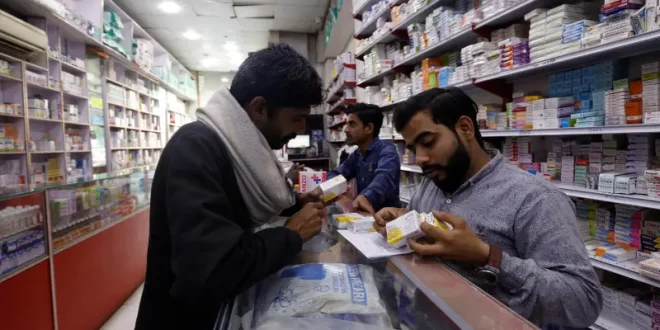
Pakistan is currently facing a significant scarcity of a specific insulin product, insulin glulisine (marketed as Apidra by Sanofi), an essential medication for individuals managing Type 1 diabetes. This critical shortage has arisen due to the German manufacturer’s decision to temporarily halt global supplies for a year-long product upgrade. Parliamentary Secretary for Health, Nelson Azeem, confirmed the disruption in the National Assembly, acknowledging that while stocks were available until September, supplies were severely affected from October onwards. The issue extends beyond Pakistan, impacting various regions across Asia, Australia, and Europe, underscoring its global nature.
Azeem detailed a drastic reduction in supply, with deliveries plummeting from 3,500 kits to just 1,000, and further declines anticipated as the upgrade process continues. Despite the Ministry of Health’s attempts to prompt local distributors to secure alternative sources, the manufacturer’s global production pause makes procurement exceptionally challenging. Initially, authorities had downplayed widespread shortages, confirming only one brand was affected and promoting alternatives such as insulin aspart (NovoRapid) and insulin lispro (Humalog) as readily available.
However, MNA Syeda Amna Batool expressed grave concerns regarding the practical implications for patients. She highlighted that the suggested alternative insulin products are at least 20 percent more expensive, posing a considerable financial burden, especially for a population where access to affordable healthcare is a constant struggle. Batool further emphasized the difficulty many patients face in safely transitioning treatments without adequate medical guidance, noting that a significant portion of the population lacks easy access to doctors. She stressed the immense scale of the problem by stating that approximately 34.5 million people in Pakistan, including children, are living with Type 1 diabetes, making reliable insulin supply a matter of survival for millions.
Pakistan’s Broader Healthcare Challenges and Diabetes Landscape
This latest insulin shortage is not an isolated event but rather illuminates persistent, underlying vulnerabilities within Pakistan’s healthcare system and pharmaceutical supply chain. Diabetes, a chronic and widespread condition, impacts a substantial segment of the Pakistani populace. Type 1 diabetes, an autoimmune disorder where the body fails to produce sufficient insulin, necessitates daily insulin injections for survival. While the MNA’s figure of 34.5 million Type 1 diabetics is remarkably high if strictly interpreted for Type 1 alone, it unequivocally points to a massive patient community critically dependent on insulin.
The current situation echoes previous alarms regarding medicine accessibility in Pakistan. Notably, the Pakistan Medical Association (PMA) had, as reported, raised “unprecedented” concerns in August 2025 about a severe nationwide shortage of essential medicines. At that time, approximately 80 vital drugs were unavailable, with 25 having no substitutes. These critical medications spanned treatments for diabetes, cancer, heart disease, and various neurological and psychiatric disorders. Such recurring crises suggest inherent deficiencies in the Drug Regulatory Authority of Pakistan’s (DRAP) capacity for proactive planning, strategic inventory management, and ensuring a resilient supply of life-saving pharmaceuticals.
Direct Consequences for Patients and the Healthcare System
The immediate and potential long-term repercussions of the insulin shortage on Pakistan’s Type 1 diabetic patients and its broader healthcare system are severe:
- Life-Threatening Health Risks: For Type 1 diabetics, consistent access to their prescribed insulin is non-negotiable. Interruptions or improper switching of insulin types can rapidly lead to severe complications such as diabetic ketoacidosis (DKA), organ damage, coma, and even fatality. Children, who comprise a significant portion of Type 1 patients, are particularly vulnerable.
- Increased Financial Burden: The 20% higher cost of alternative insulin products translates into a significant financial strain for many Pakistani families, especially those already struggling with economic hardships. In a healthcare system heavily reliant on out-of-pocket expenses, this added cost can force patients to ration doses or forgo essential treatment.
- Exacerbated Access Barriers: The suggestion to switch alternatives is problematic for the millions who lack ready access to medical professionals, particularly in rural and underserved regions. Without proper consultation and monitoring, changing insulin regimens can be dangerous and ineffective.
- Erosion of Public Trust: Recurring shortages of essential and life-saving medicines undermine public confidence in the government’s ability to safeguard its citizens’ health and ensure basic healthcare provisions.
- Supply Chain Fragility Exposure: This incident vividly exposes Pakistan’s deep reliance on international pharmaceutical manufacturers and the inherent vulnerability of its drug supply chain to global disruptions, corporate decisions, and geopolitical factors beyond its direct control.
Navigating Global Supply Shocks and Domestic Healthcare Gaps: An Analysis
While the immediate trigger for the current insulin shortage is an international manufacturing decision, its profound impact on Pakistan underscores critical systemic weaknesses in the nation’s healthcare preparedness and strategic planning. Global supply chain disruptions are an undeniable reality, yet a resilient national health policy should ideally incorporate robust mechanisms to cushion their local blow.
The government’s initial response, focusing on the availability of alternatives, appears to overlook the complex, often harsh, realities faced by millions of Pakistanis. A 20% price increase is not a minor adjustment for many households, nor is the assumption that every patient has immediate, affordable access to a doctor for a crucial consultation on switching insulin types. This disparity between policy statements and ground-level challenges highlights a significant gap that needs urgent attention.
To build a more resilient and patient-centric healthcare system, Pakistan requires a comprehensive, multi-faceted approach:
- Diversification of Sourcing: Relying heavily on a single manufacturer or country for essential drugs creates inherent vulnerabilities. Pakistan must proactively explore multiple international suppliers, foster collaborations, and strategically invest in boosting local pharmaceutical production for critical medications where feasible.
- Strategic Stockpiling and Buffer Reserves: Implementing a national policy for maintaining strategic, well-managed reserves of life-saving drugs like insulin can provide a crucial buffer during unforeseen international supply disruptions. This demands significant foresight, investment, and efficient logistical planning.
- Affordability and Accessibility Programs: The government, in conjunction with DRAP, must develop and enforce policies to ensure the affordability of essential medicines. This could include subsidies, stringent price controls, or comprehensive inclusion within national health insurance schemes, especially when more expensive alternatives become the only option.
- Strengthening Primary Healthcare and Telemedicine: Investing significantly in expanding access to qualified medical professionals, particularly in remote and underserved areas, is paramount. Developing and integrating telemedicine platforms can also offer vital, timely consultations for patients needing to adjust treatments during shortages, mitigating risks associated with unsupervised changes.
- Proactive Communication and Transparency: Health authorities must prioritize clear, honest, and timely communication with the public about impending shortages, available solutions, and expert guidance on managing medication changes. This proactive approach helps prevent panic, misinformation, and ensures patient safety.
- Enhanced DRAP Oversight and Early Warning Systems: DRAP’s role needs to evolve beyond reactive regulation. It must establish sophisticated monitoring systems for global supply chains of critical drugs, anticipate potential disruptions, and collaborate actively with manufacturers and importers to establish robust contingency plans.
Ultimately, the insulin shortage serves as a stark reminder that while global events can instigate crises, the robustness of a nation’s healthcare system dictates its ability to protect its most vulnerable citizens. Pakistan must transition from reactive, ad-hoc solutions to comprehensive, long-term strategies aimed at fortifying its pharmaceutical supply chain and guaranteeing uninterrupted access to essential, life-saving medicines for all its people.
“`
