Dost Pakistan Journeys Tours and safaris in the North & South Pakistsn
Related Articles


Tragic Infant Mpox Death in Karachi: A Call for Urgent Healthcare Reform
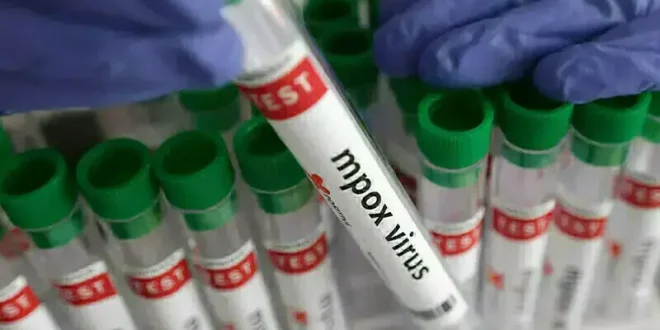
The recent death of a 52-day-old infant in Karachi, marking the city’s first recorded infant mortality from mpox, has sent shockwaves through the community and ignited urgent questions about public health safety in Pakistan. This tragic incident, reportedly stemming from an infection acquired during a circumcision procedure at an “illegal” medical facility, vividly highlights a critical and escalating public health crisis: the pervasive issue of inadequate infection control and lax oversight within the healthcare system.
The Alarming News from Karachi
The young infant tragically succumbed to mpox after an arduous battle at the Sindh Infectious Diseases Hospital & Research Centre (SIDH&RC). Investigations have zeroed in on a deeply concerning source: an unregistered hospital in Malir, which has since been sealed, where the circumcision took place. Disturbingly, another infant from the same facility is currently in critical condition with mpox, indicating a potential cluster of infections from a single, unsafe source. This unfortunate death brings Sindh’s mpox fatality count to 12 this year, out of 98 reported cases. What’s most alarming is the emerging pattern: a significant number of victims are infants or newborns, and virtually all are believed to have contracted the infection in healthcare settings that failed to adhere to fundamental infection control protocols.
This challenge is not confined to Karachi. Earlier this year, Khairpur witnessed seven infant mpox deaths, and Sukkur reported two, with all cases linked to hospitals demonstrating severe lapses in hygienic practices. Beyond these vulnerable infants, the virus is also showing broader community transmission, affecting individuals such as healthcare workers, market employees, and even spreading between spouses. This suggests that mpox is no longer a disease primarily associated with international travel but has established local transmission chains, posing a persistent threat within Pakistani communities.
Understanding Mpox: Essential Background
Mpox, previously known as monkeypox, is a viral zoonotic disease caused by the mpox virus, belonging to the Orthopoxvirus genus. While historically prevalent in parts of Central and West Africa, it gained global attention during the 2022 multi-country outbreak, primarily spreading through close, often intimate, contact. However, the transmission dynamics now observed in Pakistan’s recent cases reveal a distinct and equally grave pathway: nosocomial transmission – infections acquired within healthcare environments.
According to infectious disease experts, mpox transmission occurs through close physical contact with an infected individual, contact with contaminated materials such as bedding, towels, or medical instruments, and potentially through respiratory droplets during prolonged face-to-face interaction if lesions are present in the airway. Vertical transmission (from a pregnant person to their fetus) and perinatal transmission (around the time of birth) are also possible, posing significant risks to newborns. While generally less contagious than airborne diseases like chickenpox or measles, mpox can cause severe complications, particularly in vulnerable populations such as infants, young children, and immunocompromised individuals. Most healthy individuals typically recover within two to four weeks without specific treatment. A person remains infectious until all skin lesions have completely healed, and a fresh, intact layer of healthy skin has formed underneath.
Impact on Pakistan: A Systemic Healthcare Crisis
The escalating mpox outbreak in Sindh, marked by a disturbing rise in infant mortalities, lays bare profound deficiencies within Pakistan’s healthcare infrastructure and its regulatory framework. The consistent link between mpox infections and “illegal” or substandard medical facilities points to a systemic crisis demanding urgent and comprehensive intervention:
- Prevalence of Unregulated Healthcare Providers: The unchecked proliferation and operation of unregistered hospitals and clinics represent a severe public health hazard. These facilities often function without proper licensing, qualified medical personnel, or adherence to crucial hygiene and safety standards, directly acting as epicenters for outbreaks like mpox.
- Extreme Vulnerability of Infants: Newborns and infants possess nascent immune systems, making them exceptionally susceptible to infections. Procedures like circumcision, if executed in unhygienic conditions, transform into high-risk conduits for transmitting viruses, bacteria, and other dangerous pathogens.
- Concerning Epidemiological Shift: The evolution of mpox transmission from predominantly travel-related cases to widespread local, nosocomial spread within healthcare settings signals a dangerous epidemiological shift. The virus is now circulating locally and exploiting systemic weaknesses, cementing its status as an entrenched public health threat.
- Erosion of Public Trust and Health Literacy Gaps: Such devastating incidents inevitably erode public trust in the healthcare system. Concurrently, a lack of public awareness regarding safe healthcare practices and the inherent risks of patronizing unverified clinics often leads families to unwittingly seek care in hazardous environments.
- Strain on Public Health Resources: Premier institutions like the SIDH&RC are increasingly burdened with treating preventable infections, which diverts critical resources, personnel, and infrastructure from addressing other pressing health concerns.
Analysis: Beyond the Immediate Tragedy, Towards Lasting Solutions
The tragic death of a 52-day-old infant from mpox in Karachi transcends an individual tragedy; it stands as a stark indictment of systemic healthcare failures. It underscores the urgent necessity for a multi-pronged, collaborative approach to bolster public health safeguards across Pakistan.
Strengthening Regulatory Oversight and Enforcement
While the Sindh Health Care Commission (SHCC) has taken commendable steps by sealing facilities like Ibn-i-Hassan Hospital, such actions often occur reactively, after a tragedy has unfolded. A proactive, robust, and relentless regulatory mechanism is indispensable, encompassing:
- Mandatory Inspections: Implementing comprehensive, unannounced, and regular inspections of all healthcare facilities—public and private—to ensure strict compliance with infection control protocols, licensing requirements, and quality standards.
- Strict Penalties and Accountability: Imposing stringent penalties, including permanent closure, substantial fines, and legal prosecution, against facilities operating illegally or found in egregious violation of safety standards. This must extend to holding accountable those responsible for oversight failures.
- Enhanced Transparency: Creating and widely publicizing a readily accessible database of licensed, accredited, and compliant healthcare providers to empower the public to make informed choices.
Prioritizing Infection Prevention and Control (IPC)
The recurring link between mpox cases and abysmal IPC practices in healthcare settings necessitates an immediate and radical overhaul of existing protocols. Key actions include:
- Mandatory Training and Continuous Education: Implementing compulsory, recurrent, and practical training programs for all healthcare professionals—from senior doctors to support staff—on aseptic techniques, sterilization protocols, medical waste management, and correct use of Personal Protective Equipment (PPE).
- Adequate Resource Allocation: Ensuring that all healthcare facilities, irrespective of their size, location, or ownership, are equipped with essential resources for effective IPC, including clean water, disinfectants, sterile instruments, and appropriate infrastructure.
- Robust Audit and Monitoring Systems: Establishing continuous audit and monitoring systems for IPC practices to promptly identify gaps, implement corrective measures, and foster a culture of safety and accountability.
Fostering Community Engagement and Health Literacy
Empowering the public with critical health knowledge is a cornerstone of prevention. Targeted public health campaigns should focus on:
- Identifying Safe Healthcare Providers: Educating the public on how to verify the credentials and licensing of healthcare facilities and practitioners.
- Understanding Risks of Unregulated Care: Raising widespread awareness about the severe health dangers associated with seeking medical care from unregistered practitioners or facilities.
- Comprehensive Mpox Awareness: Providing clear, accessible information on mpox symptoms, modes of transmission, and effective preventive measures.
Comprehensive Epidemiological Investigation and Research
To effectively curb the spread, detailed contact tracing and epidemiological investigations are paramount. This involves identifying broader transmission networks, understanding the socio-economic factors that compel individuals to seek care at unlicenced clinics, and meticulously mapping high-risk areas for targeted interventions.
The death of a 52-day-old infant from mpox is a searing reminder of the devastating human cost when public health safeguards are neglected. It demands an urgent, collaborative, and unyielding effort from governmental bodies, healthcare professionals, and communities alike to rebuild trust, rigorously enforce standards, and protect the most vulnerable segments of society from entirely preventable diseases. Pakistan cannot afford to witness another life lost to a preventable infection stemming from systemic negligence and regulatory apathy.
“`