Dost Pakistan Journeys Tours and safaris in the North & South Pakistsn
Related Articles


“`html
Pakistan’s Flour Crisis: A Deep Dive into Wheat Shortages and Surging Prices
Pakistan finds itself in the grip of a deepening flour crisis as late 2026 unfolds, marked by persistent wheat shortages and a worrying surge in staple food prices. Despite recent imports, the market remains volatile, pushing essential commodities further out of reach for millions. This analysis delves into the underlying causes, profound impacts, and potential policy failures contributing to this critical challenge to national food security.
The News: A Nation Grapples with Soaring Flour Costs
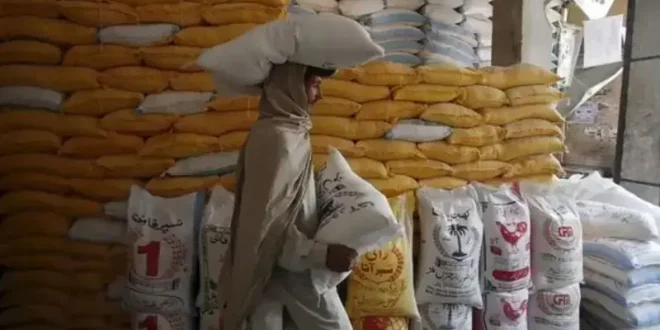
Recent reports from Karachi highlight a significant upward trend in wheat flour prices across Pakistan. Retailers have increased the cost of flour varieties like No. 2.5 and fine flour by Rs10 per kilogram, now selling at Rs180 and Rs200, respectively. High-quality Chakki flour fetches even higher rates, reaching Rs215 per kg in the retail market.
This price escalation comes despite the arrival of over 100,000 tonnes of imported wheat since late October. While an initial dip in open market wheat prices was observed following the first shipment, this relief proved fleeting, with rates quickly reverting and subsequently fueling miller-led price hikes. Industry stakeholders point to a glaring inadequacy of imported quantities against the nation’s immense daily consumption needs, particularly in large urban centers like Karachi, where mills alone demand 80,000 bags (100kg each) daily.
Background: Unpacking the Roots of a Persistent Problem
The current flour crisis is not an isolated event but rather the culmination of several systemic issues:
- Persistent Demand-Supply Imbalance: According to the Economic Survey FY26, Pakistan’s wheat production increased to 29.61 million tonnes. However, this is still significantly short of the estimated annual demand, which ranges between 31 million and 32 million tonnes. This critical deficit of 3-4 million tonnes, exacerbated by a population growth rate exceeding 3% annually, means domestic production consistently fails to meet burgeoning consumption needs.
- Untimely Policy Decisions and Unheeded Warnings: Industry bodies like the Cereal Association of Pakistan (CAP) had sounded alarms as early as May 2026, foreseeing a substantial shortage and urging the government to permit the private sector to import at least 2 million tonnes of wheat. These warnings, however, appear to have been largely ignored, leading to belated and insufficient import interventions by the state.
- Ineffective Market Oversight and Regulation: Critics highlight a visible lack of government vigilance against market malpractices. Allegations of hoarding and stock pilfering by speculators and investors have surfaced, with calls for federal and provincial authorities to conduct thorough checks on commodity stocks in markets and godowns. Such unchecked activities distort market dynamics and artificially inflate prices.
- Fragmented Supply Chains and Regional Disparities: The news indicates disruptions in the inter-provincial supply of wheat, with Sindh, for instance, facing a dearth as supplies from Punjab have reportedly ceased. This creates regional shortages, uneven pricing, and further strains on the national distribution network, pushing prices higher in affected areas irrespective of overall national supply.
Impact on Pakistan: Beyond the Price Tag
The escalating flour crisis carries severe ramifications across multiple facets of Pakistan’s socio-economic landscape:
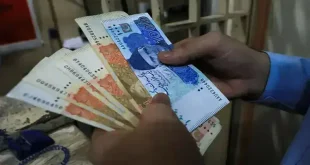
- Exacerbated Inflation and Cost of Living Crisis: As a staple food, flour price hikes have a cascading effect on the cost of living. This directly fuels inflation, eroding the purchasing power of ordinary citizens and making daily essentials unaffordable, thereby intensifying the broader economic instability already prevalent in the country.
- Deepening Food Insecurity and Malnutrition: The most vulnerable segments of society – low- and middle-income groups – bear the brunt of this crisis. Increased flour prices directly threaten their food security, potentially leading to widespread malnutrition and health issues, especially among children. For many, a 10kg flour bag costing Rs2,000 becomes an unimaginable burden.
- Social Discontent and Political Instability: Historically, food price surges have been a significant trigger for public discontent and even social unrest in Pakistan. The current situation risks eroding public trust in governmental capacity to manage essential supplies and maintain price stability, potentially leading to protests and political instability.
- Pressure on Foreign Exchange Reserves: Reliance on imports to bridge the demand-supply gap inevitably strains Pakistan’s already precarious foreign exchange reserves, diverting funds that could otherwise be used for critical development projects or other essential imports.
- Strained Small Businesses: Businesses dependent on flour, such as tandoor owners, face a double dilemma. They grapple with both escalating flour costs and rising LPG prices, forcing them to absorb losses or consider price increases for rotis and naans, which would further burden consumers.
Analysis: Systemic Challenges and the Path Forward
The current flour crisis underscores the urgent need for a more comprehensive and proactive approach to Pakistan’s food security challenges:
- Proactive Governance vs. Reactive Measures: The government’s failure to heed early warnings and its delayed, insufficient response to the looming shortage point to a reactive policy framework. Effective governance demands accurate forecasting, timely decision-making, and swift execution of strategies to avert crises, rather than scrambling to manage their aftermath.
- Taming Market Manipulation: The active role of speculators and hoarders highlights a critical regulatory void. Implementing robust market surveillance, stringent anti-hoarding laws, and swift enforcement mechanisms are crucial to prevent artificial shortages and stabilize prices. Transparency in stock levels, especially at millers’ godowns, needs to be enforced.
- Leveraging the Private Sector: The reluctance to fully empower the private sector for wheat imports, despite its willingness and expertise, represents a missed opportunity. A collaborative approach, where the government facilitates and regulates private sector imports, could ensure more timely and adequate supplies, reducing bureaucratic bottlenecks.
- Long-Term Agricultural Reforms: While imports offer a short-term fix, sustainable food security requires fundamental agricultural reforms. This includes investing in modern farming techniques, improving seed quality, enhancing irrigation efficiency, reducing post-harvest losses through better storage and infrastructure, and supporting farmers to boost domestic wheat yields beyond the current figures. Strategies to adapt to climate change and water scarcity are also vital.
- Data-Driven Policy: Accurate and real-time data on production, consumption, existing stocks, and market demand are indispensable for informed policy-making. This enables authorities to anticipate shortages, plan imports effectively, and regulate markets proactively.
Conclusion
Pakistan’s enduring flour crisis is a stark reminder of the complexities involved in ensuring basic food security for a growing population. It is a multi-faceted challenge requiring immediate, well-coordinated interventions to stabilize prices and ensure supply, alongside a robust long-term vision for agricultural sustainability. Without a strategic shift from reactive crisis management to proactive, data-driven policy-making, backed by effective regulation and private-sector engagement, the nation risks chronic food insecurity, further straining its socio-economic fabric and deepening the burden on its most vulnerable citizens.
“`