Dost Pakistan Journeys Tours and safaris in the North & South Pakistsn
Related Articles



“`html
Vigilance Prevails: Analyzing the Foiled Bannu Terrorist Attack and Pakistan’s Evolving Security Landscape
The News
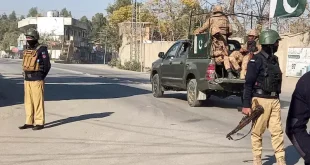
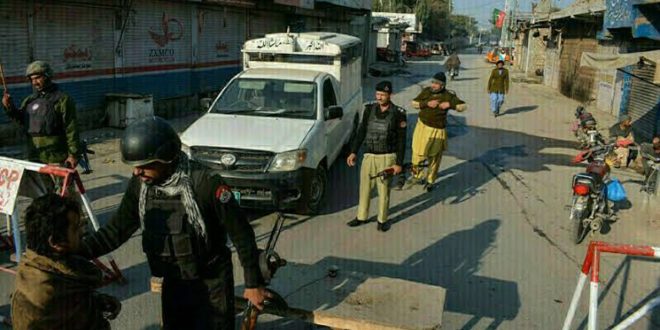
In a significant display of rapid response and vigilance, police in Bannu, Khyber Pakhtunkhwa (KP), successfully thwarted a late-night terrorist assault on the Kingar Pul Police Checkpost. The incident, which occurred on Friday night, saw heavily armed militants launch a sudden offensive. However, the police personnel stationed at the post effectively repelled the attack, resulting in the elimination of four terrorists.
Following the immediate confrontation, the Rapid Response Force (RRF) and additional police units were swiftly deployed to the scene, establishing a cordon and initiating a thorough clearance operation. During this sweep, the bodies of the four slain terrorists were recovered, alongside a cache of weapons including Kalashnikov rifles, multiple magazines, ammunition, hand grenades, and bandoliers. The identification process for the neutralized individuals is currently underway.
Khyber Pakhtunkhwa Inspector General of Police, Zulfiqar Hameed, lauded the Bannu Police for their exemplary courage and quick action, emphasizing that their ability to repel the assault under the cover of darkness underscored their high level of training and bravery. He reiterated the police’s unwavering commitment to protecting public lives and property and highlighted ongoing comprehensive strategies to eradicate terrorism from the province.
This incident comes amid a period of heightened security operations across Pakistan, particularly in KP and Balochistan. Recently, the military reported eliminating 74 terrorists in intelligence-based operations (IBOs). The Bannu incident also follows another foiled attack two days prior on the Bandkorai Police Station in Dera Ismail Khan, where an explosives-laden vehicle was used. While police successfully prevented the attackers from breaching the station, the same day tragically saw two policemen martyred in a separate attack in Swabi.
Background: A Region Under Siege
The Khyber Pakhtunkhwa province, especially its southern districts like Bannu, occupies a critical geographical position. Bordering Afghanistan, this region has historically been a nexus for militant groups and cross-border insurgency. Following the withdrawal of international forces from Afghanistan and the subsequent Taliban takeover, Pakistan has witnessed a concerning resurgence in terrorist activities. Groups like the Tehrik-i-Taliban Pakistan (TTP), often operating from Afghan soil, have escalated their attacks, particularly targeting security forces and government installations.
The region’s history is marred by prolonged periods of conflict and counter-terrorism operations. While major military offensives in the past, such as Zarb-e-Azb and Radd-ul-Fasaad, significantly degraded militant capabilities, the current environment presents renewed challenges. The KP Police, often at the forefront of this battle, operate in high-risk zones, serving as the first line of defense against well-armed and motivated terrorist outfits. Their sustained efforts, despite resource constraints, are pivotal in maintaining law and order and countering militant narratives.
Impact on Pakistan: A Multifaceted Challenge
The persistent threat of terrorism has profound and wide-ranging impacts on Pakistan. Firstly, it places immense strain on the nation’s security apparatus, necessitating continuous vigilance, significant resource allocation, and a high human cost, as evidenced by the recent martyrdoms of police personnel. The financial burden of counter-terrorism operations, coupled with the need for modernizing and equipping security forces, diverts funds that could otherwise be invested in socio-economic development.
Economically, heightened insecurity deters both foreign and local investment, particularly in affected regions like KP, hindering progress and exacerbating poverty. The disruption of trade routes and daily life further impedes economic growth. Socially, the constant threat fosters an environment of fear and uncertainty, leading to displacement, trauma, and a general sense of insecurity among the populace. This can undermine community cohesion and trust in state institutions.
Furthermore, the resurgence of militancy impacts Pakistan’s regional standing and its delicate relationship with Afghanistan, as Islamabad frequently raises concerns about cross-border attacks originating from Afghan territory. Effectively managing these dynamics while safeguarding national interests remains a complex foreign policy challenge.
Analysis: Vigilance, Adaptation, and the Enduring Fight
The successful foiling of the Bannu checkpost attack underscores several critical points in Pakistan’s ongoing counter-terrorism efforts. Firstly, it highlights the enhanced training and operational readiness of the Khyber Pakhtunkhwa Police. The ability of the deployed personnel to promptly respond to a sudden, heavily armed assault and neutralize the threat speaks volumes about their professionalism and courage. This incident serves as a testament to the continuous efforts to improve the capacity of frontline law enforcement.
Secondly, the nature of the attack – a coordinated, late-night assault with sophisticated weaponry – confirms that terrorist groups remain determined and capable. The recovery of Kalashnikovs, grenades, and substantial ammunition indicates meticulous planning and access to advanced armaments. This parallels the intensity observed in other recent incidents, such as the suicide attack on the Dera Ismail Khan police station, signifying a persistent and evolving threat matrix.
While the Bannu success is a crucial morale booster and a clear victory against a tangible threat, it also serves as a stark reminder of the broader challenges. The overall rise in terrorist incidents, including the tragic loss of police lives in Swabi and the high number of terrorists eliminated in ISPR-led operations, suggests that while individual battles are being won, the war against militancy is far from over. The Inspector General’s emphasis on a “comprehensive strategy” is vital, encompassing intelligence gathering, proactive operations, and securing vulnerable installations.
Looking ahead, the effectiveness of Pakistan’s counter-terrorism strategy will hinge on several factors: sustained investment in intelligence-based operations, bolstering border security to prevent infiltration, continuous modernization and training for police and paramilitary forces, and fostering greater community engagement to counter radicalization and gather actionable intelligence. The resilience demonstrated in Bannu must be consistently replicated across the volatile regions of KP to effectively push back against the tide of renewed militancy and secure lasting peace for the province and the nation.
“`