Dost Pakistan Journeys Tours and safaris in the North & South Pakistsn

Related Articles


Balochistan’s Deep-Seated Wounds: A Call for Genuine Reconciliation
The Persistent Turmoil in Pakistan’s Largest Province
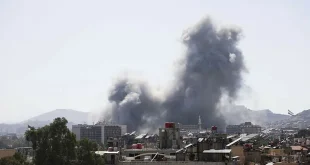
Balochistan, Pakistan’s largest yet least developed province, continues to grapple with an escalating wave of violence and lawlessness. The recent summary highlights a grim reality: terrorist activities have become alarmingly brazen, targeting not only ordinary citizens and security personnel but also high-ranking government officials. The attack on Balochistan Home Minister Ziaullah Langove’s convoy on Independence Day underscored the pervasive insecurity, as did the sabotage of vital infrastructure like gas pipelines, plunging entire towns into darkness and deprivation.
Amidst this escalating crisis, Chief Minister Sarfraz Bugti’s renewed invitation to “lawless elements” to rejoin the “national mainstream” for dialogue offers a glimmer of hope, albeit with a crucial caveat: no talks for those involved in the killing of innocent people. This stance, while morally justifiable, brings to the fore the complex tightrope walk between maintaining state authority and fostering reconciliation.
A Legacy of Grievances: Understanding Balochistan’s Background
To fully grasp the complexities of Balochistan’s unrest, one must delve into its intricate history and long-standing grievances. The province, strategically vital due to its location bordering Iran and Afghanistan and its deep-sea Gwadar Port—a cornerstone of the China-Pakistan Economic Corridor (CPEC)—has been a flashpoint for decades. Its rich natural resources, including vast reserves of natural gas and minerals, paradoxically fuel a sense of exploitation rather than prosperity among the local Baloch populace.
Since Pakistan’s inception, many Baloch nationalists have expressed feelings of marginalization, believing that the federal government has overlooked their developmental needs while extracting their resources. This perception of resource nationalism and economic disparity has fueled various insurgent movements, from the Balochistan Liberation Army (BLA) to other separatist groups, demanding greater autonomy or even independence. Successive military operations, while aimed at restoring order, have often been criticized for alienating the local population further, exacerbating mistrust and creating a cycle of violence and repression.
Furthermore, Pakistan often points to the involvement of hostile foreign forces in stirring unrest, a claim that carries weight in a region prone to proxy conflicts. However, internal governance failures, a lack of equitable development, and a perceived disregard for local political voices remain critical drivers that external actors exploit.
Impact on Pakistan: A Crisis with Far-Reaching Consequences
The protracted instability in Balochistan casts a long shadow over Pakistan’s national aspirations and regional standing. Economically, the ongoing conflict directly imperils major development projects like CPEC, essential for Pakistan’s growth trajectory. Attacks on infrastructure, delays in project implementation, and the overall climate of insecurity deter foreign investment and impede the full utilization of Gwadar Port’s potential.
From a security perspective, Balochistan ties up significant military and paramilitary resources, diverting them from other national security challenges. The constant threat to security personnel and high-ranking officials underscores the severity of the challenge to the state’s writ. More profoundly, the human cost is immense, with countless lives lost—civilians, security forces, and militants alike—and communities scarred by violence and displacement.
Internationally, the unresolved conflict and associated human rights concerns impact Pakistan’s image, potentially affecting diplomatic relations and foreign aid. Internally, the alienation of a significant ethnic group undermines national cohesion and fosters ethnic tensions, posing a serious threat to the fabric of the federation.
Analysis: Towards a Path of Sincere Reconciliation and Sustainable Peace
Chief Minister Bugti’s recent overture, while echoing previous attempts, highlights a recurring recognition by the state that a purely kinetic approach is insufficient. The critical question, however, lies in the sincerity and implementation of such calls for dialogue. The statement’s emphasis on not negotiating with “killers of innocent people” is understandable, yet insurgency inherently involves violence, posing a dilemma for comprehensive peace talks. A nuanced approach that distinguishes between hardcore perpetrators and those willing to lay down arms due to genuine grievances is paramount.
The news article rightly calls for introspection and concrete action beyond rhetoric. Decades of alienating even peaceful political elements have eroded trust, creating fertile ground for more radical voices. True reconciliation must begin with a demonstrable shift in the state’s attitude. Practical steps are not just desirable but essential:
- Genuine Political Engagement: Inviting veteran Baloch politicians and younger activists to the table and listening earnestly to their grievances is the first crucial step. This means acknowledging past wrongs and approaching dialogue with empathy and a commitment to address fundamental issues.
- Justice and Accountability: A review of questionable cases against peaceful activists is critical to rebuild trust. Such actions demonstrate good faith and can de-escalate political tensions.
- Equitable Resource Distribution: The demand that the people of Balochistan be given the “first right” to their vast mineral wealth is at the heart of the conflict. Implementing policies that ensure greater provincial autonomy in resource management, fair revenue sharing, and direct benefits for local communities is non-negotiable for long-term peace. This directly tackles the core grievance of exploitation.
- Socioeconomic Uplift: Addressing Balochistan’s dismal socioeconomic indicators is a generational challenge, but immediate, targeted interventions in education, healthcare, infrastructure, and job creation are essential. Peace dividends must be visible and tangible to the average Baloch citizen.
- Strategic Communication: While acknowledging foreign involvement, the state must prioritize resolving internal grievances. External forces often exploit existing fissures; strengthening internal cohesion and addressing root causes will naturally diminish their influence.
The “carrot and stick” approach, often discussed, needs rebalancing, with a much stronger emphasis on the “carrot”—political dialogue, economic justice, and social development. Military action is a necessary component against those actively engaged in terrorism, but it cannot be the sole or primary tool. Without a robust political and developmental strategy, security gains will remain ephemeral.
The people of Balochistan, and indeed all of Pakistan, are watching. The opportunity to shift from a cycle of violence to a trajectory of sustainable peace demands unprecedented political will, consistent policy implementation, and a sincere commitment to justice and equity. Only through such comprehensive efforts can Balochistan’s deep-seated wounds begin to heal, paving the way for a more prosperous and unified Pakistan.