Dost Pakistan Journeys Tours and safaris in the North & South Pakistsn
Related Articles

Monsoon Mayhem: Unpacking the Leh Nullah Flood Alert in Rawalpindi-Islamabad
The Immediate Crisis: PMD’s Leh Nullah Flood Alert
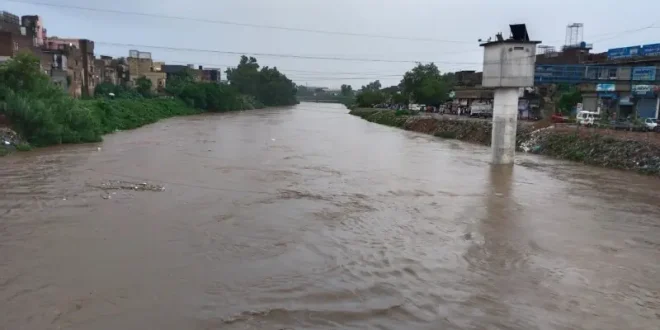
Pakistan’s twin cities, Rawalpindi and Islamabad, are once again grappling with the immediate threats posed by incessant monsoon rainfall. The Pakistan Meteorological Department (PMD) recently issued a critical flood alert for Leh Nullah, a seasonal stream that historically becomes a harbinger of urban flooding in Rawalpindi, after three consecutive days of heavy downpours.
The situation escalated quickly, with water levels in Leh Nullah surpassing danger thresholds at key monitoring points like Kattarian and Gawalmandi. While initial readings showed levels reaching 21 feet at Kattarian and 16 feet at Gawalmandi, these figures fluctuated throughout the day, highlighting the dynamic and unpredictable nature of flash floods.
Authorities, guided by PMD’s warnings, have been urged to prepare for potential evacuations from low-lying areas. The emergency response has already seen action, with Rescue 1122 safely evacuating 150 children from a flooded madressah in the Saddar area, averting a potential tragedy. However, the ferocity of the rains has also led to unfortunate incidents, including a tragic roof collapse in Madina Town that claimed two lives and injured their twin daughters, underscoring the widespread dangers beyond just rising water levels.
Rainfall figures were staggering across various localities, with Shamsabad recording 122mm, Kutcheri Chowk 121mm, and Zero Point 100mm, among others. These intense precipitation levels are a stark reminder of the challenges posed by extreme weather events. Consequently, traffic police in both cities have issued advisories, urging motorists and motorcyclists to exercise extreme caution on slick roads, maintain safe distances, and avoid unnecessary risks.
Background: A Familiar Foe – Leh Nullah and Pakistan’s Monsoon
The “Leh Nullah” isn’t just a stream; it’s a symbol of Rawalpindi’s enduring battle with urban flooding. Originating from the Margalla Hills, this seasonal waterway meanders through Rawalpindi, ultimately draining into the Soan River. Historically, its banks have been prone to overflow during heavy monsoon spells, particularly exacerbated by human encroachment, insufficient waste management leading to blockages, and an aging drainage infrastructure unable to cope with modern demands.
Pakistan’s monsoon season, typically running from July to September, is crucial for the country’s agriculture, replenishing water reservoirs and sustaining livelihoods. However, it also brings a recurring specter of natural disasters, including flash floods, urban inundation, and landslides. The twin cities, with their significant population density and rapid, often unplanned, urbanization, are particularly vulnerable. Past events, most notably the devastating 2001 flood that caused significant loss of life and property, serve as grim reminders of the Leh Nullah’s destructive potential.
The Pakistan Meteorological Department (PMD) plays a vital role in this context, acting as the nation’s frontline defense against weather-related hazards. Its timely flood alerts and warnings are critical for enabling local disaster management authorities, such as Rescue 1122, to initiate preparatory measures, deploy resources, and coordinate evacuations, thereby minimizing potential casualties and damage.
Broader Impact on Pakistan: Beyond the Twin Cities
While the immediate focus is on Rawalpindi and Islamabad, the impact of such intense monsoon activity reverberates across Pakistan. The PMD’s earlier warnings had already extended to other vulnerable regions, including Mardan, Swabi, Peshawar, Nowshera, Gujranwala, Gujrat, Sialkot, and Lahore, all predicted to face urban flooding risks. This widespread vulnerability underscores a national challenge.
The economic toll of monsoon floods can be staggering. Damaged infrastructure – roads, bridges, communication networks – disrupts supply chains and economic activity. Agricultural land can be submerged, leading to crop losses and impacting food security. The social impact is equally profound, ranging from displacement and loss of homes to increased health risks from waterborne diseases. The psychological stress on affected communities can be immense and long-lasting.
For a country already grappling with various socio-economic challenges, recurring floods place an immense strain on national resources, diverting funds that could otherwise be used for development into disaster relief and rehabilitation. It also highlights Pakistan’s acute susceptibility to climate change, which is projected to intensify extreme weather events, making flood preparedness and climate resilience paramount for the nation’s sustainable future.
Analysis: A Recurring Challenge Demanding Sustainable Solutions
The recent flood alert for Leh Nullah is not an isolated incident but a symptom of a deeply entrenched problem rooted in a confluence of factors. At the forefront is **climate change**, which is altering global weather patterns, leading to more intense and unpredictable monsoon seasons in regions like South Asia. The sheer volume of rainfall recorded in such short periods reflects this shift, overwhelming existing infrastructure.
Another critical factor is **uncontrolled urbanization and encroachment**. As Rawalpindi and Islamabad have expanded, natural drainage paths have been obstructed or built over. The Leh Nullah itself has seen significant encroachment on its banks, narrowing its channel and reducing its capacity to carry floodwaters. This, coupled with inadequate waste management, where plastic bags and debris clog drains, creates a perfect storm for urban inundation.
Furthermore, the **aging and insufficient drainage infrastructure** in many parts of Rawalpindi is ill-equipped for modern rainfall intensities. Decades of underinvestment in upgrading and maintaining these systems mean they cannot effectively manage the runoff from heavy downpours. While PMD’s early warning systems are commendable and crucial for immediate response, they highlight the need for a shift from reactive disaster management to proactive flood mitigation.
Moving forward, a multi-pronged, integrated approach is essential:
- Infrastructure Overhaul: Long-term investment in modernizing and expanding the drainage and sewerage systems of both Rawalpindi and Islamabad is paramount. This includes desilting Leh Nullah, reinforcing its banks, and constructing additional flood protection measures.
- Sustainable Urban Planning: Strict enforcement of building codes, preventing encroachment on natural waterways, and promoting green infrastructure that allows for better water absorption are critical. Urban development must respect the natural hydrology of the area.
- Climate Resilience Policies: Developing and implementing national and local climate adaptation strategies, including investing in flood-resistant infrastructure and promoting community-based disaster preparedness programs.
- Public Awareness and Participation: Educating citizens on responsible waste disposal, adhering to traffic advisories during heavy rains, and understanding evacuation protocols are vital.
- Enhanced Early Warning and Response: Continuously improving weather forecasting capabilities and ensuring seamless coordination between PMD, disaster management agencies, and local administrations for rapid and effective response.
The recurring alerts for Leh Nullah serve as a powerful reminder that while monsoons bring essential life-giving water, they also present a yearly test of Pakistan’s preparedness and resilience. Addressing this challenge requires not just temporary fixes but a commitment to sustainable development, robust infrastructure, and a proactive approach to managing the impacts of a changing climate.