Dost Pakistan Journeys Tours and safaris in the North & South Pakistsn
Related Articles


Pakistan’s New Fixed Tax Asaan App: A Game-Changer for Small Traders?
The News: Digitizing Tax for Small Businesses
In a significant move aimed at streamlining tax compliance and broadening the national tax base, the Pakistani government recently unveiled a dedicated mobile application for its Fixed Tax Asaan Scheme. This initiative, designed specifically for small traders and shopkeepers with an annual turnover up to Rs200 million, allows for direct filing of tax returns through a user-friendly app.
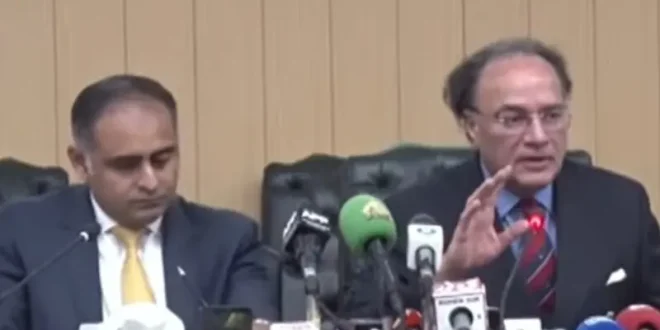
The launch, spearheaded by Minister of State for Finance Bilal Azhar Kayani and Finance Minister Muhammad Aurangzeb, marks a “practical start” to a project that has been under development for months. Crucially, the scheme and its accompanying app were developed in close consultation with representatives from the trader community, addressing historical concerns about tax system complexity and potential harassment.
Key features of the Asaan Tajir app include:
- A simple registration process to generate a PSID for tax payment.
- Calculation of tax liability at one percent (1%) of declared sales, with a minimum payment of Rs25,000. Existing filers have a minimum based on their previous year’s payment.
- Provision of a digital (and later physical) “plate” which, when displayed, signifies protection against questioning by FBR officials on tax matters.
- Exemption from installing Point-of-Sale (POS) machines and from acting as withholding agents for those opting into the scheme.
- Initial availability in Urdu on Google Play Store, with plans for Apple Store launch and additional languages (Pashto, Balochi, Sindhi) by early September.
The government hopes this trader-led approach will be a “win-win for all,” fostering easier dealings with the Federal Board of Revenue (FBR) and expanding the tax net while boosting revenue collection.
Background: The Persistent Challenge of Tax Collection in Pakistan
Pakistan has long grappled with a low tax-to-GDP ratio, significantly underperforming compared to regional and global averages. This chronic issue limits the government’s fiscal space for development, social welfare, and essential services, often necessitating reliance on external borrowing and international aid, such as from the IMF.
Historically, efforts to bring the vast informal sector, particularly small and medium enterprises (SMEs) and traders, into the tax net have faced considerable challenges. Previous schemes often failed due to a combination of factors:
- Complexity: Intricate tax laws and cumbersome filing procedures deterred compliance.
- Lack of Trust: A deep-seated mistrust between the FBR and the business community, fueled by perceptions of harassment and corruption.
- One-Size-Fits-All Approach: Prior schemes often didn’t adequately differentiate between various business scales and operational realities.
- Resistance: Powerful trader lobbies have historically resisted broad tax reforms, fearing increased scrutiny and burden.
Recognizing these pitfalls, the current government’s emphasis on “consultation and partnership” with traders, explicitly acknowledged by Minister Kayani, signals a departure from past top-down approaches. The digitalization aspect aligns with a global trend of leveraging technology to enhance governance efficiency and broaden fiscal reach.
Impact on Pakistan: Formalizing the Economy and Boosting Revenue
The successful implementation of the Fixed Tax Asaan Scheme through its mobile application could have a multifaceted positive impact on Pakistan’s economy and its tax landscape:
- Tax Net Expansion: This is perhaps the most critical objective. By simplifying the process and offering protection against harassment, the scheme aims to onboard millions of small traders currently operating outside the formal tax system. This could significantly increase the number of tax filers, a key metric for economic formalization.
- Enhanced Revenue Generation: A broader tax base directly translates into increased national revenue. This additional fiscal space is vital for funding public services, infrastructure projects, and reducing the country’s reliance on debt.
- Ease of Doing Business: For small traders, the simplified, app-based filing system dramatically reduces compliance costs and time spent on tax matters, fostering a more business-friendly environment. The exemption from POS machines and withholding agent duties further sweetens the deal.
- Reduced Harassment and Corruption: The provision of a digital plate explicitly forbidding FBR officials from questioning traders on tax matters addresses a major historical grievance. If strictly enforced, this could be a cornerstone in rebuilding trust between the tax authority and the business community.
- Digital Inclusion and Literacy: Promoting the use of a mobile app for official transactions encourages digital literacy among small business owners, potentially unlocking further opportunities for digital financial services and e-commerce.
- Economic Formalization: Bringing more businesses into the formal economy provides better data for economic planning, strengthens regulatory oversight, and creates a more level playing field for all enterprises.
Analysis: Strengths, Challenges, and the Path Forward
The Fixed Tax Asaan Scheme, particularly its digital implementation, presents several commendable strengths:
- Trader-Centric Design: The emphasis on guidance and consultation from the trader community is a significant differentiator. This bottom-up approach aims to create a sense of ownership and reduces resistance.
- Simplicity and Accessibility: A single-page, Urdu-language form on a mobile app drastically lowers the barrier to entry for many traders who might be intimidated by complex bureaucratic procedures.
- Protection Against Harassment: The “digital plate” is an innovative and powerful incentive, directly tackling a primary reason for low compliance in the past. This psychological reassurance is paramount.
- Incentives for Compliance: Exemptions from POS machines and acting as withholding agents remove significant burdens, making the scheme genuinely attractive.
- Differentiated Approach: Recognizing the diverse nature of the retail sector, with a distinction between small shopkeepers and larger enterprises, reflects a more nuanced policy-making.
However, the scheme is not without its challenges, and its ultimate success will hinge on navigating these effectively:
- Deep-Seated Mistrust: Overcoming decades of mistrust between traders and the FBR will require sustained effort, transparency, and a strict adherence to the “no harassment” policy. One scheme alone may not fully mend this relationship.
- Implementation Effectiveness: The promise of “trader-led implementation” needs to translate into genuine collaboration and not just rhetoric. Will the focal offices and persons at RTOs be truly facilitative?
- Digital Literacy Gaps: While the app is simple, a segment of small traders might still face challenges in adopting digital tools. The government’s promise of assistance will be crucial here.
- Under-Declaration Risk: The scheme relies on self-declaration of sales. While simplicity is key, ensuring accurate reporting to avoid widespread under-declaration remains a potential concern, particularly given the low tax rate.
- Sustainability of Protections: The commitment to protect traders from FBR scrutiny is a bold one. Maintaining this discipline within the FBR over the long term will be critical to sustain trust.
In conclusion, Pakistan’s Fixed Tax Asaan Scheme, powered by its new mobile app, represents a thoughtfully designed attempt to formalize the country’s vast informal retail sector. By prioritizing consultation, simplicity, and direct protection against historical grievances, the government has laid a strong foundation. Its success will not only depend on the technical efficacy of the app but, more profoundly, on its ability to build and sustain trust between the state and its small business community. If successful, it could mark a pivotal moment in Pakistan’s journey towards a more inclusive and robust tax system, contributing significantly to national development and fiscal autonomy.
“`