Dost Pakistan Journeys Tours and safaris in the North & South Pakistsn
Related Articles

“`html
Pakistan’s Fuel Price Dilemma: PM Directs Urgent Negotiations for Diesel Relief
The News: A Swift Mandate for Fuel Price Relief
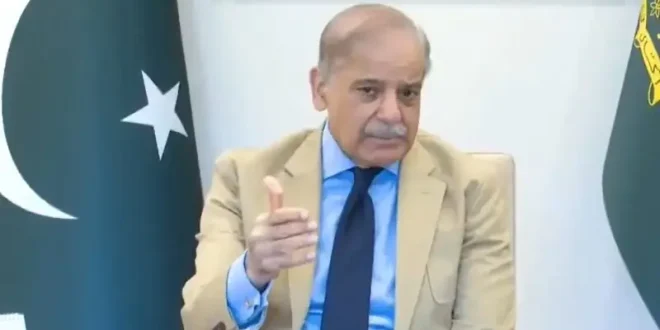
In a direct move to alleviate public burden, Prime Minister Shehbaz Sharif has instructed Petroleum Minister Ali Pervaiz Malik to travel immediately to Karachi. The mandate is clear: engage in urgent negotiations with local oil refineries to secure a reduction in the price of domestically produced diesel. This directive from the Prime Minister’s Office (PMO) underscores a proactive attempt to offer “as much relief as possible” to citizens facing relentless inflationary pressures.
The swift action follows a recent hike in fuel prices, where petrol rose by Rs3.34 per litre and high-speed diesel (HSD) by Rs5.27 per litre, implemented under Pakistan’s new daily pricing mechanism. This mechanism itself was introduced to navigate global oil market volatility, particularly exacerbated by geopolitical tensions in the Middle East.
Adding another layer to the complex fuel pricing landscape, the government recently agreed to increase petroleum dealers’ margins by 15.5%, translating to an additional Rs1.34 per litre, bringing their margin to Rs9.98 per litre from September 1. This decision came after a 72-hour ultimatum from the Pakistan Petroleum Dealers’ Association (PPDA), which had sought a variable margin linked to retail prices, a demand that the government ultimately declined in favour of retaining the daily fixed pricing system.
Background: Navigating Economic Headwinds and Global Volatility
Pakistan’s economy is currently grappling with significant challenges, including soaring inflation, a depreciating rupee, and a precarious balance of payments situation, all under the strict scrutiny of an International Monetary Fund (IMF) program. In such an environment, fuel prices play a critical role, acting as a major determinant of inflation and the overall cost of living.
Globally, crude oil prices have been subject to intense fluctuations, primarily driven by supply chain disruptions, geopolitical conflicts, and shifting demand patterns. Pakistan, a net importer of crude oil, is highly susceptible to these international price movements. However, the PM’s directive specifically targets *locally produced* diesel, suggesting an acknowledgment that a component of the pricing structure falls within domestic influence.
Diesel is the lifeblood of Pakistan’s economy. It powers the vast majority of its transport sector – from public buses and trucks carrying goods to agricultural machinery essential for farming. Any increase in diesel prices cascades through the economy, raising transportation costs, food prices, and manufacturing expenses, disproportionately affecting low and middle-income households and critically impacting the agricultural sector, which relies heavily on diesel for irrigation and machinery.
The recent increase in dealers’ margins, while aimed at averting a nationwide strike and ensuring fuel availability, also contributed to the overall price hike. This illustrates the delicate balancing act the government faces in satisfying various stakeholders within the petroleum supply chain while striving to provide relief to the end consumer.
Impact on Pakistan: Potential Relief Amidst Fiscal Pressures
Should the Petroleum Minister succeed in negotiating a reduction in locally produced diesel prices, the immediate impact on Pakistan could be multi-faceted and largely positive for the public. Lower diesel costs would translate directly into reduced transportation expenses, potentially easing inflationary pressures on essential goods and commodities. Farmers, a crucial segment of the economy, would see a decrease in their operational costs, which could lead to more stable food prices and improved agricultural output.
The move also carries significant political implications. Facing public discontent over the rising cost of living, the government is keen to demonstrate its commitment to public welfare. A successful reduction in fuel prices would be a much-needed victory, offering a tangible sign of relief.
However, the fiscal implications of such a move are complex. If refineries are compelled to lower their prices, questions arise about who will absorb the difference. Will it come out of refinery profit margins, government levies and taxes, or will it require a subsidy? Any measure impacting government revenue or expenditure must be carefully weighed against the country’s ongoing commitments under the IMF program, which emphasizes fiscal consolidation.
For the oil refineries themselves, prolonged pressure to reduce prices could impact their profitability, investment in upgrades, and ultimately, the long-term health of the domestic refining sector. Striking a balance between consumer relief and maintaining a viable, efficient refining industry is paramount for Pakistan’s energy security.
Analysis: A Targeted Approach or a Broader Strategy?
The Prime Minister’s directive is a targeted intervention focusing specifically on “locally produced diesel” and negotiations with domestic refineries. This approach suggests that the government believes there’s an inherent component of the diesel price, distinct from international crude oil costs and government taxes, that can be influenced through direct negotiation. It’s a pragmatic response to intense public pressure, aiming for a quick win where some domestic control can be asserted.
The Negotiation Challenge
The Petroleum Minister’s task in Karachi will be challenging. Oil refineries operate on complex cost structures, including the price of imported crude (even for local production, the opportunity cost is international), refining margins, operational costs, and taxes. Persuading them to lower prices will require strong arguments, potentially involving discussions around their profit margins, efficiencies, or even future regulatory frameworks. The government’s leverage might stem from its role as a regulator and a significant purchaser/influencer in the energy sector.
Sustainability and Systemic Issues
While a negotiated reduction could offer immediate respite, the long-term sustainability of such a measure remains a key question. Relying on ad-hoc negotiations rather than systemic reforms might only provide temporary relief. The underlying issues – Pakistan’s reliance on imported crude, the efficiency of its refining sector, the tax structure on petroleum products, and the volatile global oil market – will continue to exert pressure.
The retention of the daily pricing mechanism, despite dealer demands for variable margins, highlights the government’s preference for a system that rapidly reflects international price changes. While intended to prevent massive periodic price shocks, it introduces daily uncertainty for consumers and businesses alike. A truly sustainable solution would likely involve a broader strategy encompassing increased domestic exploration, investment in upgrading refinery technology for better efficiency, and a stable, transparent pricing mechanism that balances consumer interests with the viability of the energy supply chain.
Balancing Act for the Government
Ultimately, the government is treading a fine line. It must address the urgent need for public relief from high inflation without jeopardizing its fiscal commitments or the stability of the energy sector. The outcome of Minister Malik’s negotiations will be a significant indicator of the government’s ability to exert influence on key economic sectors and deliver tangible benefits to its citizens amidst a challenging economic environment. Success in Karachi could provide much-needed breathing room, but systemic reforms will be essential for enduring stability in Pakistan’s fuel pricing landscape.
“`