Dost Pakistan Journeys Tours and safaris in the North & South Pakistsn
Related Articles


“`html
Pakistan’s Dual Economic Push: Tax Simplification Meets International Support
Pakistan’s economic leadership, under Finance Minister Muhammad Aurangzeb, is actively pursuing a two-pronged strategy to address the nation’s enduring fiscal and economic challenges. Recent announcements highlight a strong domestic drive towards modernizing tax collection and administration, alongside a critical diplomatic push for international financial stability. These initiatives signal a determined effort to broaden the tax base, enhance compliance, and stabilize the country’s external economic position.
The News
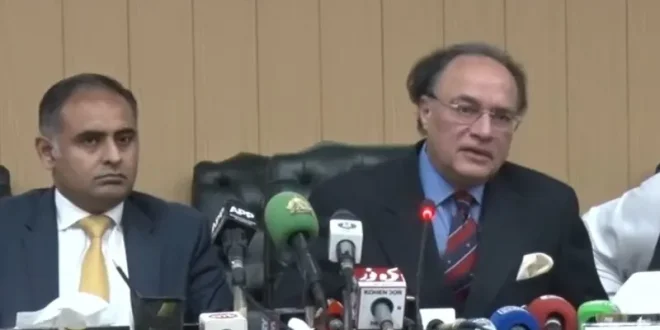
Finance Minister Muhammad Aurangzeb recently reiterated a compelling call for the simplification of tax return forms for salaried individuals, arguing that the current intricate process lacks “logic” given that a significant portion of their income is already taxed at source. He underscored the burden this complexity places even on educated professionals.
Concurrently, the Federal Board of Revenue (FBR) launched the “Fixed Tax Asaan Scheme” via its new “Asaan Tajir” mobile application. This digital initiative aims to streamline tax registration and filing for small traders and shopkeepers. The app, initially in Urdu and available on Google Play, offers a simplified process, digital payment options, and promises an updated tax filer status. Crucially, registered traders will receive a distinctive green identification plate, designed to protect them from routine inspections by FBR officials, fostering trust and ease of business. Future updates include multi-language support and physical assistance centers.
On the international front, Pakistan has formally requested a US Exchange Stabilisation Support Facility. This move is intended to strengthen the Pakistani rupee, bolster foreign exchange reserves, and reduce the nation’s reliance on short-term debt rollovers. Negotiations are underway, with Pakistan reportedly seeking a substantial sum (estimated at $10 billion), primarily to signal confidence in its currency and external sector stability rather than as a traditional loan. The government also seeks to extend the maturity of its existing bilateral loans, aiming for longer tenures of five to ten years to improve debt sustainability.
Background: Decades of Fiscal Strain
Pakistan has long grappled with a persistently low tax-to-GDP ratio, hovering around 9-10%, one of the lowest globally. This chronic issue stems from a narrow tax base, a vast informal economy, and a complex, often opaque, tax system that discourages compliance and fosters distrust between taxpayers and authorities. For decades, the reliance on indirect taxes has disproportionately burdened the general populace, while direct taxation of affluent sectors remains challenging.
Previous attempts at tax reform have often faced resistance from vested interests, bureaucratic inertia, and a lack of consistent political will. The sheer complexity of forms and processes has historically deterred many potential taxpayers, including salaried individuals who, despite having documented incomes, find the filing process daunting. This often leads to a perception of an unfair system where the burden falls disproportionately on those already documented.
Economically, Pakistan has frequently found itself in balance of payments crises, leading to cycles of currency depreciation and reliance on borrowing from international financial institutions like the IMF, and bilateral partners. Strengthening the rupee and building foreign exchange reserves are critical for imported essentials, controlling inflation, and attracting foreign investment. The current strategy reflects a broader attempt to break this cycle by demonstrating a commitment to structural reforms and securing international backing.
Impact on Pakistan: A Path Towards Stability and Growth
- Broadening the Tax Base: The “Asaan Tajir” scheme holds significant potential to integrate millions of small traders and shopkeepers into the formal tax net. By offering a simplified, digital, and supportive pathway, the FBR aims to transform these unregistered businesses into documented taxpayers, thereby significantly increasing national revenue and fostering a fairer tax system where more contribute their due share.
- Improved Ease of Doing Business & Trust: The simplification of processes and the unique protective green identification plate are crucial steps towards building trust between taxpayers and the FBR. Reducing the threat of harassment and making compliance easier can enhance the overall business environment, encourage formality, and reduce the administrative burden on small enterprises.
- Macroeconomic Stability: Securing an Exchange Stabilisation Support Facility from the US, particularly one aimed at signaling confidence, would be a major psychological boost for Pakistan’s economy. It could help stabilize the rupee, ease pressure on foreign exchange reserves, and reassure international investors, potentially leading to increased foreign direct investment and reduced capital flight.
- Enhanced Debt Management: Shifting towards longer debt maturities (5, 7, or 10 years) from existing bilateral loans is vital for Pakistan’s fiscal health. This strategy reduces the frequency of debt rollovers, minimizes short-term liquidity risks, and provides the government with greater predictability and flexibility in managing its finances, allowing for better long-term planning and investment.
- Digital Transformation: The launch of the “Asaan Tajir” app signifies a broader commitment to digitalizing governance and tax administration. This can lead to greater transparency, efficiency, and reduced corruption in tax collection, aligning Pakistan with global best practices in public finance.
Analysis: Challenges and the Road Ahead
While these initiatives represent a commendable shift towards addressing Pakistan’s fundamental economic challenges, their success is contingent on robust implementation and sustained political will.
For the “Asaan Tajir” Scheme: The primary hurdle will be ensuring widespread adoption among small traders. Overcoming digital literacy gaps, inherent distrust of the tax system, and the inertia of operating in the informal economy will require extensive outreach, education, and consistent support. The effectiveness of the green identification plate in genuinely deterring FBR officials will be critical in building credibility. Moreover, the scheme’s long-term sustainability hinges on FBR’s capacity to manage the influx of new taxpayers and provide continuous, accessible support.
For Salaried Tax Simplification: Finance Minister Aurangzeb’s recognition of the “no logic” behind complex forms for salaried individuals is a refreshing acknowledgment. Implementing a truly simplified system, however, will require overcoming potential bureaucratic resistance within the FBR, which has historically maintained intricate procedures. A simpler form would not only alleviate the burden on honest taxpayers but also likely enhance voluntary compliance and improve the overall perception of tax fairness among the documented sector.
For US Support and Debt Management: The US Exchange Stabilisation Support Facility, while potentially transformative, is not a silver bullet. Its significance lies more in the powerful signal of confidence it would send to global markets than just the financial injection itself. However, such support often comes with implicit or explicit expectations regarding structural reforms, good governance, and fiscal discipline. Pakistan’s ability to demonstrate sustained commitment to these reforms will be crucial for maintaining international confidence and securing long-term financial stability. The move towards longer debt maturities is a positive step but requires strong negotiation and a credible economic reform agenda to convince creditors.
In conclusion, Pakistan is navigating a critical juncture in its economic journey. The dual approach of internal tax reforms through digitalization and simplification, coupled with proactive engagement for external financial support, reflects a concerted effort to stabilize the economy and foster sustainable growth. The success of these initiatives will ultimately depend on consistent political resolve, effective execution, and the ability to build a robust foundation of trust and compliance among its citizens and with its international partners.
“`