Dost Pakistan Journeys Tours and safaris in the North & South Pakistsn
Related Articles


Pakistan Army Deployment in Rawalpindi: A Deep Dive into National Security Dynamics
Keywords: Pakistan Army, Rawalpindi security, Article 245, Pakistan political stability, civil-military relations, national security, upcoming elections
The News: A Preemptive Security Measure in Pakistan’s Strategic Heart
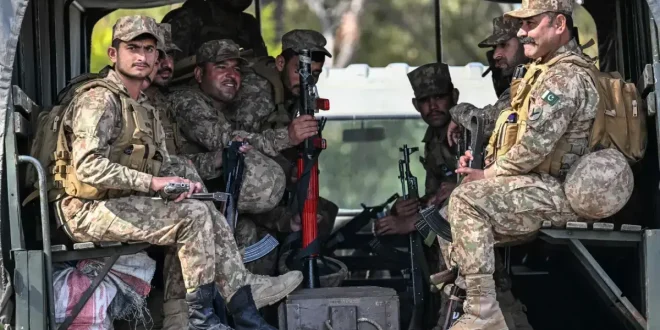
In a significant development signaling heightened security concerns, the federal government of Pakistan has authorized the deployment of three companies of the Pakistan Army in Rawalpindi for a period of six months. This decision, conveyed through an interior ministry order dated August 21, comes at the request of the Punjab Home Department. The stated purpose of this deployment is to undertake “sensitive security duties” aimed at preventing “any undesirable situation” and to ensure an effective response to “any unforeseen situation” as required by the district administration.
The authorization invokes Article 245 of the Constitution of Pakistan, a provision that empowers the federal government to deploy armed forces in aid of civil power. The extended duration of six months underscores the perceived long-term nature of the security challenges or the sensitivity of the period ahead.
Background: A Confluence of Political Turmoil, Economic Strain, and Strategic Significance
To fully grasp the implications of this deployment, it’s crucial to consider the multifaceted context surrounding Pakistan. Rawalpindi is not merely a major city; it is home to the General Headquarters (GHQ) of the Pakistan Army, making it a pivotal strategic location for the nation’s military establishment. Any security threat to Rawalpindi is, by extension, a direct threat to the very core of Pakistan’s defense apparatus.
Pakistan has been navigating a period of intense political instability since the ousting of former Prime Minister Imran Khan in April 2022. This has been characterized by widespread protests, increasing polarization, and a particularly turbulent event on May 9, 2023, where demonstrations following Khan’s arrest led to unprecedented attacks on military installations across the country, including in Rawalpindi. These events exposed significant vulnerabilities and heightened the military’s resolve to prevent similar occurrences.
Furthermore, the country is grappling with a severe economic crisis, marked by high inflation, currency depreciation, and a critical balance of payments situation. Economic distress often fuels social unrest, adding another layer of complexity to the security landscape. With general elections constitutionally due later this year or early next, the political temperature is expected to remain high, making the pre-election and election periods particularly susceptible to security challenges.
The invocation of Article 245, while a constitutional provision, is typically reserved for situations where civilian law enforcement agencies are deemed insufficient to manage a prevailing or anticipated security threat. Its use often signals a serious assessment of the security environment and a move to project state authority.
Impact on Pakistan: Navigating Perceptions of Stability and Authority
The deployment of the Pakistan Army in Rawalpindi for an extended period carries several significant implications:
- Perception of Stability vs. Instability: While intended to bolster security and project an image of a state in control, such deployments can paradoxically be interpreted as a sign of underlying instability. For both domestic citizens and international observers, the need for military intervention in a major urban center, especially the capital’s twin city, can raise concerns about the state’s overall capacity to maintain law and order through civilian means.
- Civil-Military Relations: The recurring reliance on Article 245 in politically charged environments inevitably influences the delicate balance of civil-military relations. It underscores the military’s pervasive role in national affairs, potentially blurring the lines between military and civilian domains of governance, particularly in security matters.
- Investor Confidence: For an economy desperately seeking foreign investment, heightened security deployments can send mixed signals. While a safer environment is attractive, the perceived necessity for military deployment might deter investors who prioritize political predictability and stable governance.
- Public Sentiment and Liberties: The presence of armed forces on urban streets can elicit varied public reactions. While some may welcome the enhanced security, others might view it with apprehension, fearing potential implications for civil liberties or seeing it as a measure to stifle political dissent.
- Precedent and Future Deployments: This extended deployment in a critical urban center could set a precedent for similar interventions in other parts of the country facing political or security challenges, further normalizing the military’s role in civil aid.
Analysis: Beyond Routine Security – A Proactive Stance Against Emerging Threats
The deployment in Rawalpindi appears to be more than a routine security measure; it signifies a proactive and preemptive strategy to mitigate specific, anticipated threats. The use of terms like “sensitive security duties,” “avoid any undesirable situation,” and “respond effectively in any unforeseen situation” strongly suggests that the authorities are bracing for potential disruptions, likely drawing lessons from the violent events of May 9.
Rawalpindi, as the GHQ city, is a prime target for any group intending to challenge state authority or the military’s credibility. The six-month duration is particularly telling, extending well into the period when general elections are expected to be held, or potentially even beyond if there are delays. This timeline implies an anticipation of sustained political volatility, potential large-scale protests, or even attempts to target critical infrastructure or military establishments during this sensitive phase.
This move can be interpreted as a clear message from the state that any attempts to create chaos or challenge institutions will be met with a robust response. It aims to restore public confidence in the state’s ability to maintain order and prevent a recurrence of past security breaches. However, the challenge lies in striking a balance: ensuring security without stifling legitimate political expression or contributing to an environment of fear that could further destabilize the nation.
Ultimately, the deployment reflects the deep-seated security challenges Pakistan faces, caught between internal political divisions, economic pressures, and the imperative to protect its strategic assets. While a necessary step in the eyes of the government to maintain stability, its long-term success will hinge on whether it can facilitate a return to political normalcy and strengthen, rather than overshadow, civilian institutions.