Dost Pakistan Journeys Tours and safaris in the North & South Pakistsn
Related Articles



“`html
Pakistan’s Tax Revolution: PM Shehbaz Takes Firm Stance on FBR Reforms
The News: A No-Nonsense Approach to Tax Reform
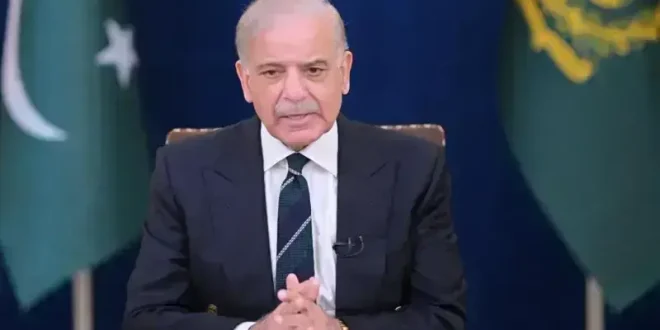
In a powerful display of resolve, Prime Minister Shehbaz Sharif has issued a categorical warning to officers of the Federal Board of Revenue (FBR): resistance to ongoing tax reforms will not be tolerated. This stern message comes amidst efforts to overhaul Pakistan’s critical revenue collection system, following a brief but significant protest from the Inland Revenue Officers Association, which later withdrew its call for a strike.
The Prime Minister’s directive underscores a government-wide push to minimize Pakistan’s substantial “tax gap” – the difference between potential and actual tax collection. At the heart of these reforms is the pilot project for a ‘faceless assessment and audit’ system, spearheaded by the FBR’s newly established National Faceless Centre (NFC). Operational since October 1st, this centre aims to drastically reduce direct contact between taxpayers and officials, thereby curtailing discretion and opportunities for corruption.
PM Shehbaz not only expressed displeasure over the attempted strike but also reminded FBR officers of significant improvements in their compensation and facilities, expecting tangible results in return. He affirmed that officers unwilling to embrace the new, transparent system would be removed, with immediate disciplinary actions already taken against several high-ranking officials for challenging the reform agenda.
Background: Pakistan’s Persistent Tax Challenge
Pakistan has long grappled with a notoriously low tax-to-GDP ratio, hovering around 9-10%, one of the lowest in the region and among developing nations. This chronic under-collection of revenue severely restricts the government’s ability to fund essential public services, invest in infrastructure, and reduce its heavy reliance on domestic and international borrowing, often from institutions like the IMF.
Historically, the FBR has been plagued by allegations of inefficiency, corruption, and a complex, often opaque, taxation system that discourages compliance and fosters a culture of tax evasion. The discretionary powers wielded by tax officials have frequently been cited as a primary driver of corruption, leading to harassment of honest taxpayers and illicit dealings for others. Numerous attempts at reform over the decades have often met with internal resistance and failed to achieve lasting systemic change.
The introduction of a ‘faceless’ system represents a paradigm shift. By leveraging technology and data analytics, it seeks to depersonalize the assessment and audit process. This model, successfully adopted in other jurisdictions, aims to create an environment where tax liabilities are determined objectively, based on data, rather than through subjective human interaction. This move is crucial not just for increasing revenue but also for building public trust in the state’s tax collection machinery, which is vital for broadening the tax base and fostering a compliance culture.
Impact on Pakistan: A Path to Fiscal Stability and Transparency
The successful implementation of these FBR reforms could have profound and far-reaching implications for Pakistan’s economic future. Foremost among them is the potential for a significant increase in tax revenue, which is indispensable for achieving long-term fiscal stability. Bridging the tax gap would allow the government to allocate more resources to critical sectors like education, healthcare, and climate resilience, reducing the nation’s reliance on external aid and burdensome debt.
Furthermore, a transparent and equitable tax system is a cornerstone of a healthy business environment. By minimizing arbitrary decisions and reducing corruption, the faceless assessment system can improve ease of doing business, attracting both domestic and foreign investment. This enhanced investor confidence is crucial for economic growth and job creation.
The battle against corruption within state institutions is also a key benefit. A depersonalized system inherently limits opportunities for illicit transactions, fostering greater accountability among tax officials. This, in turn, can restore public faith in government institutions, a critical element for national cohesion and good governance. However, the path is not without challenges. Entrenched vested interests within the FBR pose a significant threat, as demonstrated by the recent strike call. Overcoming this internal resistance will require sustained political will, robust oversight, and continuous capacity building within the FBR to manage the technological and administrative complexities of the new system.
Analysis: A Defining Moment for Governance and Economy
Prime Minister Shehbaz Sharif’s uncompromising stance marks a critical juncture in Pakistan’s perennial struggle for tax reform. His clear message – a mix of incentives (quadrupled salaries, perks) and stringent disincentives (dismissal, strict action against corruption) – indicates a recognition that superficial changes are no longer sufficient. This is not merely an administrative tweak but a fundamental push to reform the very culture of Pakistan’s revenue collection.
The digital transformation embodied by the faceless assessment system is the real game-changer. By shifting from manual, contact-based interactions to data-driven processes, the government aims to inject objectivity and transparency into an area historically rife with subjective interpretation and malpractices. If successfully scaled nationwide, this could significantly broaden the tax base by bringing more individuals and businesses into the tax net, while simultaneously making the system fairer for existing taxpayers.
However, the journey will be arduous. The immediate disciplinary actions taken, while necessary to assert authority, highlight the depth of the resistance. The ‘faceless’ system requires substantial investment in IT infrastructure, data analytics capabilities, and the retraining of staff. Moreover, ensuring data integrity and protecting taxpayer confidentiality will be paramount to its success and public acceptance. This reform push extends beyond the FBR; it reflects a broader commitment to improving governance, strengthening the rule of law, and enhancing state capacity across Pakistan.
Ultimately, the success of these reforms hinges on sustained political commitment beyond the current administration, effective implementation, and the ability to mitigate the inevitable pushback from those who benefit from the status quo. For a nation perennially seeking fiscal stability and sustainable development, the ongoing FBR reforms are not just an economic imperative but a litmus test for good governance in Pakistan’s future.
“`