Dost Pakistan Journeys Tours and safaris in the North & South Pakistsn
Related Articles


“`html
Balochistan’s Volatile Roads: Analyzing the Safe Recovery of Kalat Police Recruits
The recent abduction and subsequent safe recovery of 20 police recruits in Kalat, Balochistan, offers a crucial glimpse into the persistent security challenges facing Pakistan’s largest province. While the positive outcome is a relief, the incident underscores the vulnerability of key infrastructure and personnel, prompting deeper questions about intelligence, security protocols, and the broader implications for Pakistan’s internal stability and economic development.
The News
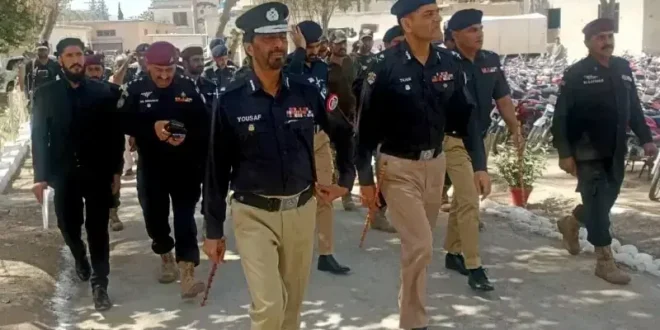
In an alarming incident that captured national attention, 20 police recruits from the Kalat Police Training Centre were abducted by unidentified armed men on Friday, October 18th, 2026. The trainees were reportedly en route to Noshki from Kalat for a weekend leave, traveling in a private van when they were intercepted on the critical Quetta-Karachi Highway. Fortunately, officials confirmed to Dawn that all personnel were safely recovered within a short period, located in the Mangochar area of Kalat district. The prompt recovery, with all recruits reported “safe and sound,” averted a potentially dire situation, yet the event itself has reignited concerns over security dynamics in Balochistan.
Background: Balochistan’s Enduring Security Crucible
The incident is not an isolated event but rather a stark reminder of the complex and often volatile security landscape that defines Balochistan. As Pakistan’s largest province by area, bordering Iran and Afghanistan, Balochistan is a region of immense strategic importance, boasting significant mineral wealth and home to the Gwadar Port – a cornerstone of the China-Pakistan Economic Corridor (CPEC).
However, this strategic value is perpetually overshadowed by a multifaceted insurgency. The province has long been a hotbed of nationalist separatist movements, alongside the presence of various militant groups, including affiliates of the Tehrik-i-Taliban Pakistan (TTP) and ISIS-Khorasan. These groups often target security forces, government infrastructure, and settlers from other parts of Pakistan. Abductions, bombings, and targeted killings are unfortunately not uncommon, creating an environment of pervasive insecurity.
Areas like Kalat, Noshki, and Mangochar lie along vital transportation arteries, making them susceptible to such incidents. The Quetta-Karachi Highway, a lifeline for trade and travel, has historically been a flashpoint for militant activity, with security personnel and civilians alike facing risks. Law enforcement agencies, particularly police recruits in training, represent soft targets whose abduction can serve multiple purposes for militant or criminal elements – from propaganda and ransom to exerting pressure on the state.
Impact on Pakistan: Ripples Across the Nation
The abduction of police recruits, even with a successful recovery, sends concerning ripples throughout Pakistan:
- Erosion of Public Confidence: Such incidents, especially those targeting state personnel, can significantly erode public trust in the government’s ability to ensure security and protect its citizens. This is particularly true for vulnerable populations in remote or conflict-prone areas.
- Morale of Law Enforcement: The targeting of trainees on leave undoubtedly impacts the morale of recruits and serving officers. It underscores the constant threat they face, potentially increasing anxiety and affecting recruitment efforts for a force critical to maintaining order.
- Economic Implications: Balochistan is central to Pakistan’s economic future, largely due to CPEC projects. Security instability directly hinders investment, delays project completion, and increases operational costs, thereby impeding overall national economic growth. Investors, both local and international, are wary of regions perceived as insecure.
- Political Stability and Governance: The recurring security challenges in Balochistan put immense pressure on both provincial and federal governments. It necessitates a constant reallocation of resources, attention, and political capital towards security, diverting focus from crucial development and administrative reforms.
- Regional Dynamics: Pakistan’s internal security situation is closely watched by its regional neighbors and international partners. Continued instability in Balochistan can raise questions about Pakistan’s capacity to secure its borders and vital assets, impacting diplomatic relations and strategic alliances.
Analysis: Beyond the Recovery – Lessons and Challenges
The safe recovery of the 20 police recruits is unequivocally a positive development and a testament to the efforts of the security forces involved. However, the incident also serves as a critical diagnostic tool, highlighting persistent vulnerabilities and prompting important questions:
The Nature of the Recovery: While the news report emphasizes “safe recovery,” the details of *how* it transpired remain undisclosed. Was it a result of a swift intelligence-led operation, negotiation, or perhaps the abductors’ intent was less hostile than initially perceived (e.g., a show of force rather than a long-term hostage situation)? The methodology of recovery holds significant analytical value, indicating the state’s capabilities and the nature of the threat. If negotiations were involved, it could imply dealing with elements less ideologically rigid than hardline militant groups.
Lapses in Security Protocols: The fact that 20 trainees could be abducted while traveling on a major highway, even in a private vehicle, points to potential gaps in intelligence gathering, route security, and the protection of vulnerable personnel. For police recruits, who are future custodians of law and order, their journey home should ideally be subject to robust security assessments or escorted movement in high-risk zones. The “weekend leave” aspect highlights a systemic vulnerability that needs immediate review.
Identity and Motives of Abductors: The report refers to “unidentified men.” In Balochistan, such incidents could be attributed to various actors: Baloch separatist groups seeking to demonstrate their reach and challenge state authority, criminal gangs involved in kidnapping for ransom, or even opportunistic militant factions. The lack of a claim of responsibility for the abduction, coupled with the safe release, suggests the possibility of the latter two, or perhaps a calculated move by separatists to gain leverage without escalating to a more confrontational scenario. Understanding the perpetrators is crucial for effective counter-strategies.
Long-Term Solutions and the Way Forward:
- Enhanced Intelligence and Proactive Measures: There is an urgent need to bolster intelligence networks to anticipate and preempt such incidents. This includes human intelligence, technological surveillance, and real-time threat assessments for high-risk routes and personnel movements.
- Improved Route Security and Convoy Protocols: For sensitive personnel, especially those in training, strict security protocols, including armed escorts or secure transportation, must be enforced when traveling through known hotspots.
- Community Engagement and Trust Building: Sustainable security in Balochistan relies heavily on winning the trust and cooperation of local populations. Addressing socio-economic grievances, ensuring equitable resource distribution, and promoting genuine political inclusion can reduce fertile ground for recruitment by militant and separatist groups.
- Modernization of Law Enforcement: Investing in better training, equipment, and welfare for police forces is paramount. A well-equipped, highly motivated, and professional police force is essential for effective internal security.
- Addressing Root Causes: Ultimately, lasting peace in Balochistan requires a comprehensive strategy that goes beyond kinetic operations. It must tackle the underlying issues of poverty, unemployment, perceived marginalization, and lack of development that fuel resentment and extremism.
The safe recovery of the Kalat police recruits is a moment of relief, but it must also serve as a catalyst for a thorough re-evaluation of security strategies and a renewed commitment to comprehensive development in Balochistan. The stability of Pakistan hinges significantly on its ability to secure its most critical, yet most volatile, province.
“`