Dost Pakistan Journeys Tours and safaris in the North & South Pakistsn
Related Articles

“`html
India’s Voter Purge: A Deep Dive into Disenfranchisement and Democratic Integrity
India’s massive Special Intensive Revision (SIR) of voter rolls has led to the removal of 130 million names, sparking widespread protests and bureaucratic nightmares for citizens like Kamta Prasad, declared “dead” while very much alive. This unprecedented purge, which includes 4.2 million voters in Delhi alone, is justified by the Election Commission as an effort to remove “duplicate, deceased, shifted and otherwise ineligible voters.” However, opposition parties allege political manipulation by the ruling Bharatiya Janata Party (BJP), raising serious concerns about the integrity of India’s democratic process and the right to vote for its vast population.
The News: Millions Erased, Democracy Challenged
In a move that has sent shockwaves across India’s democratic landscape, the Election Commission of India (ECI) has undertaken a Special Intensive Revision (SIR) of its electoral rolls, resulting in the astonishing deletion of 130 million names. This sweeping exercise, ostensibly aimed at rectifying “logical discrepancies” and removing ineligible voters, has plunged millions of ordinary citizens into bureaucratic limbo, struggling to prove their existence and reclaim their fundamental right to vote.
The plight of individuals like 53-year-old tailor Kamta Prasad in Delhi epitomizes the human cost of this revision. Prasad, declared “dead” on the electoral list, has been forced to forgo his daily wages, essential for his family’s survival, to navigate a labyrinthine bureaucracy just to prove he is alive. His story is not isolated; similar accounts of voters erroneously marked as “shifted,” “absent,” or “deceased” are emerging from across the country.
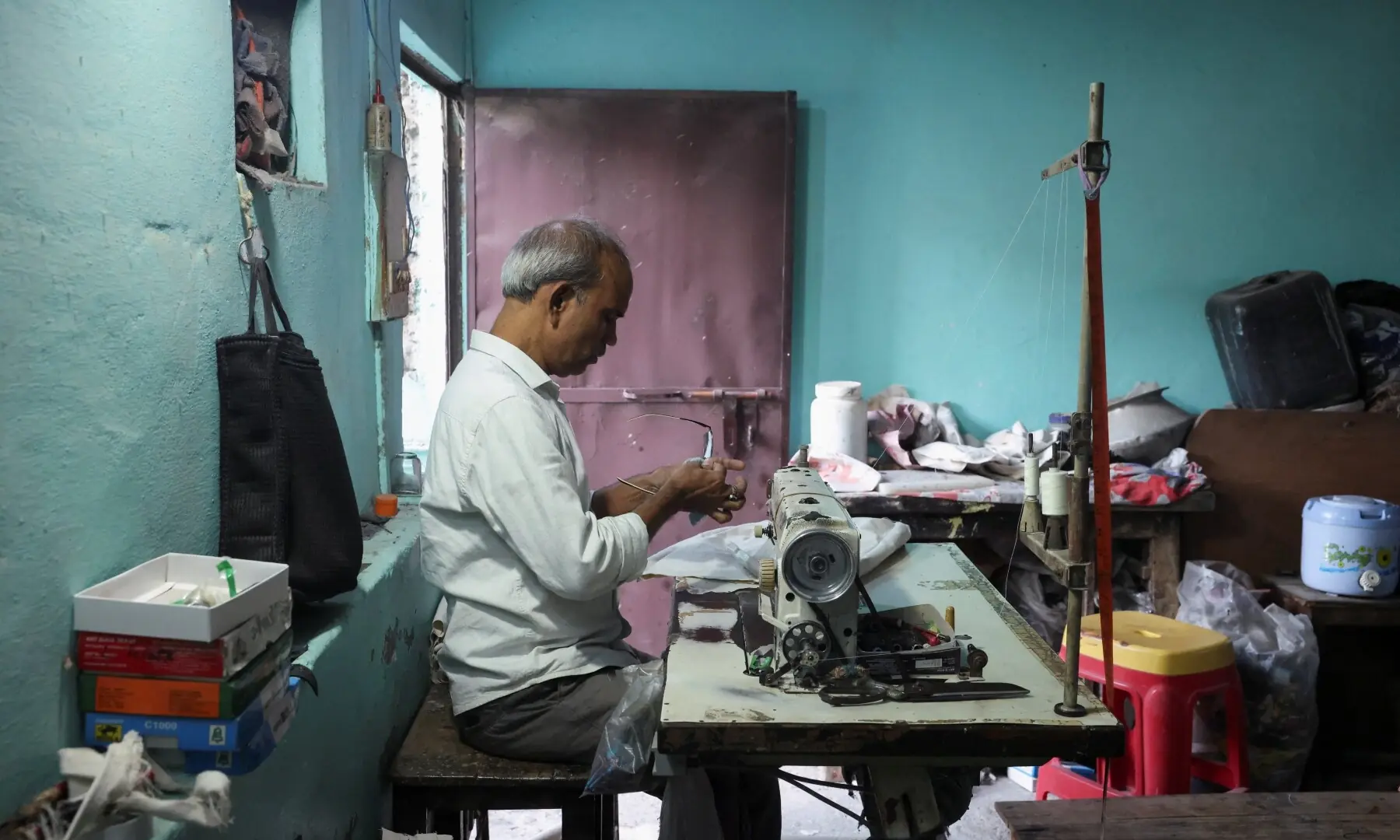
The scale of the deletions is staggering, with Delhi alone seeing 4.2 million voters struck off. While the ECI asserts its aim is to clean up the rolls, the process has ignited a political firestorm. Opposition parties and youth groups have launched fierce protests, alleging that the revision is a politically motivated exercise designed to benefit Prime Minister Narendra Modi’s Bharatiya Janata Party (BJP), a charge vehemently denied by both the ECI and the ruling party.
The bureaucratic hurdles faced by disenfranchised citizens are immense, requiring repeated visits to election offices, multiple applications, and appeals. Even for those fortunate enough to get an assurance of restoration, the process often involves registering as new voters, a disheartening prospect for long-time participants in India’s democracy.
Background: The Machinery of India’s Democracy Under Scrutiny
India, the world’s largest democracy, boasts an electoral system of colossal proportions, overseeing hundreds of millions of voters across a diverse and geographically expansive nation. The Election Commission of India (ECI) is constitutionally mandated to ensure free and fair elections, a responsibility that includes maintaining accurate and up-to-date electoral rolls. Regular revisions are standard practice globally, essential for removing duplicates, deceased voters, and those who have relocated, thereby preserving the integrity of the voting process.
However, the current Special Intensive Revision (SIR) stands out due to its unprecedented scale and the controversy it has generated. The timing of such a widespread purge, ahead of crucial elections, inevitably raises questions about intent and impact. In a politically charged environment, where electoral outcomes are fiercely contested, any action perceived as altering the voter base becomes a flashpoint.
The ECI typically relies on a combination of ground verification by local officials, data cross-referencing, and public claims/objections. Yet, the sheer volume of errors suggests potential flaws in the implementation of the SIR – whether due to inadequate resources, rushed procedures, or a lack of robust verification protocols. The absence of specific, transparent criteria for these widespread deletions fuels public distrust and provides fertile ground for allegations of political interference. The difficulty for marginalized communities, often lacking formal documentation or digital literacy, in navigating complex bureaucratic processes exacerbates these concerns, potentially leading to systemic disenfranchisement of vulnerable populations.
Impact on Pakistan: Lessons in Electoral Integrity
While the immediate ramifications of India’s voter roll purge are internal to its democratic process, the developments carry significant lessons and potential implications for its neighbour, Pakistan, and indeed for democratic integrity across South Asia.
Strengthening Pakistan’s Electoral Process:
Pakistan’s Election Commission (ECP) frequently undertakes its own voter registration drives and revisions, often collaborating with NADRA (National Database and Registration Authority) for data verification. The controversies surrounding India’s SIR offer crucial insights for the ECP:
- Transparency and Public Trust: The backlash in India underscores the paramount importance of transparent procedures in voter roll revisions. The ECP can proactively share its methodologies, criteria for deletions, and robust redressal mechanisms to build public confidence and preempt allegations of bias.
- Mitigating Disenfranchisement: The struggles of Kamta Prasad and Kamal Lal highlight the disproportionate impact of flawed revision processes on the poor and marginalized. Pakistan, too, has a significant population lacking permanent addresses or formal documentation. The ECP should ensure that its revision processes are accessible, citizen-friendly, and do not inadvertently disenfranchise legitimate voters, especially those in informal settlements or those who migrate for work.
- Robust Verification Protocols: The scale of erroneous deletions in India suggests a potential over-reliance on a single data point or an insufficient field verification process. The ECP should continuously refine its verification protocols, perhaps integrating multiple data sources and ensuring thorough ground checks before any deletion, with clear communication to the affected individual.
- Addressing Political Allegations: Both India and Pakistan’s electoral bodies often face accusations of partisanship. The Indian case is a stark reminder of how quickly administrative actions can be politicized. The ECP must maintain and visibly demonstrate its impartiality and independence, particularly during sensitive electoral periods.
Regional Implications for Democratic Norms:
Beyond direct policy lessons, events in India contribute to the broader narrative of democratic health in South Asia. When a major regional power like India faces significant challenges to its electoral integrity, it can influence perceptions of democratic standards across the region. A robust and credible electoral process in India strengthens the regional democratic fabric, while widespread allegations of disenfranchisement can inadvertently fuel skepticism about democratic institutions elsewhere.
In essence, India’s current predicament serves as a cautionary tale and a call to action for all democratic institutions in the region, including Pakistan, to continuously strengthen their processes, uphold transparency, and fiercely protect the fundamental right to vote for every citizen.
Analysis: A Dangerous Precedent for Democratic Rights
The Special Intensive Revision of India’s voter rolls, while ostensibly an administrative cleanup, presents a multifaceted challenge to the core tenets of Indian democracy. Its implications stretch far beyond mere technical adjustments, touching upon fundamental rights, the credibility of institutions, and the very fabric of electoral fairness.
The Right to Vote Undermined:
At its heart, this controversy is about disenfranchisement. The right to vote is the bedrock of any democracy, and its arbitrary or erroneous removal strikes at the very legitimacy of the electoral process. For citizens like Kamta Prasad, the declaration of being “dead” is not just a bureaucratic error; it is an existential crisis that questions their identity and their participation in national life. The mental, emotional, and financial toll on these individuals, particularly daily wage earners who lose income pursuing bureaucratic corrections, is immense and unjust.
Erosion of Trust in the ECI:
The Election Commission of India, historically a revered and largely independent institution, faces an unprecedented crisis of credibility. Regardless of the veracity of opposition allegations regarding political manipulation, the sheer scale of errors and the arduous process for rectification inevitably erode public trust. A perceived partisan ECI can undermine faith in election outcomes, leading to increased polarization and potentially post-election disputes. For democracy to function, the umpire must be seen as absolutely fair and impartial.
Disproportionate Impact on Vulnerable Populations:
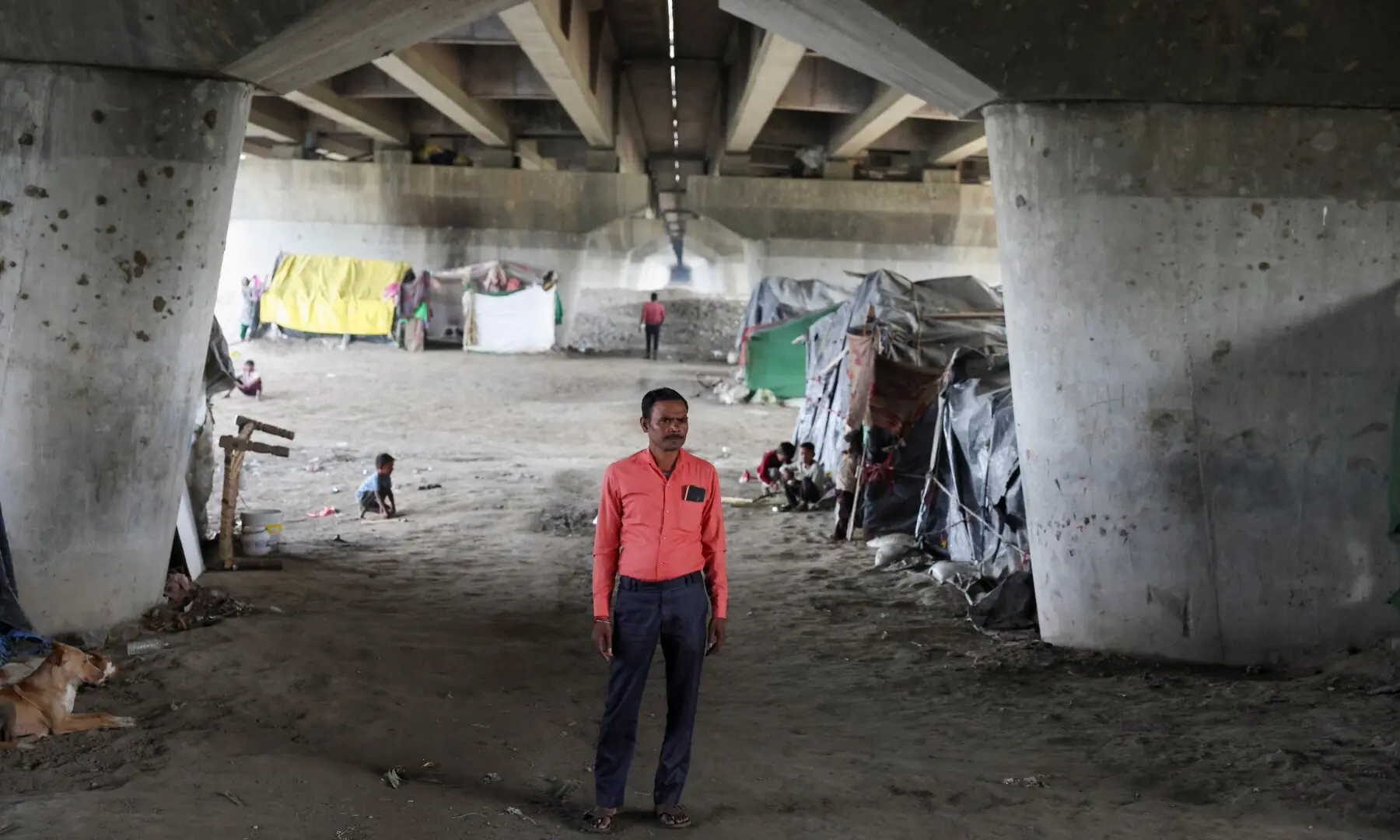
The “bureaucratic maze” disproportionately affects the most vulnerable segments of society. Poor, uneducated, and migrant populations, often lacking permanent addresses, stable documentation, or the resources to navigate complex administrative procedures, are at the highest risk of being excluded. Kamal Lal, a teacher living in an informal settlement, exemplifies this vulnerability. His concern about not having “land papers or a water bill” highlights how a technical process can inadvertently disenfranchise those who are already socio-economically disadvantaged, potentially altering the demographic composition of the electorate.
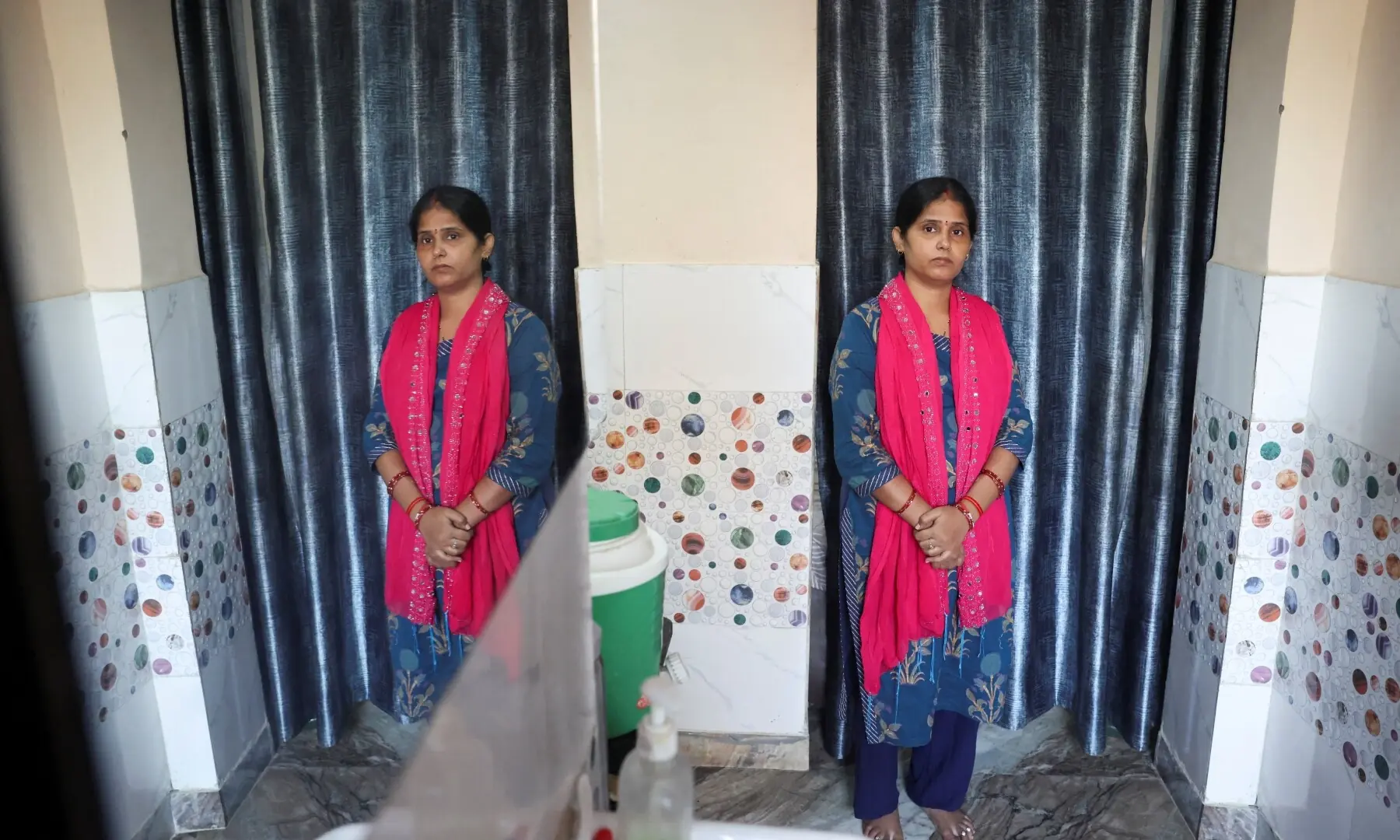
Furthermore, Mamta’s fear of losing access to “subsidised ration and other government welfare schemes” due to her name being removed from the voter list illustrates a terrifying ripple effect. For many in India, electoral registration is not merely about voting; it’s a primary form of identification linked to essential government benefits, making its removal a threat to their livelihood and existence.
Political Weaponization and Future Implications:
The widespread deletions, occurring ahead of critical elections, inevitably take on a political dimension. Opposition parties are framing it as a deliberate strategy to alter electoral outcomes. If such allegations gain traction, they could significantly impact the legitimacy of future election results and exacerbate political tensions. The “register as a new voter” remedy, while seemingly practical, can be seen as erasing electoral history and making it harder for long-time voters to verify their past participation.
Ultimately, while clean voter rolls are desirable for preventing electoral fraud, the process must uphold the democratic principle of inclusion above all else. The Indian experience with the SIR serves as a critical case study in the delicate balance between administrative efficiency and safeguarding fundamental democratic rights. It calls for urgent reforms to ensure transparency, accountability, and a citizen-centric approach to electoral roll management, lest the world’s largest democracy inadvertently disenfranchise millions of its own citizens.
“`