Dost Pakistan Journeys Tours and safaris in the North & South Pakistsn
Related Articles



“`html
Rabies Crisis Deepens in Sindh: Urgent Calls for Humane Stray Dog Management
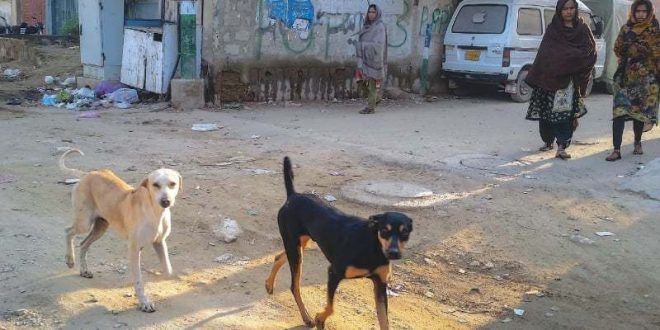
The tragic deaths of two more dog-bite victims in Sindh, bringing the year’s rabies toll to an alarming 42, have cast a stark spotlight on a spiraling public health crisis. Medical professionals and civil society initiatives are intensifying their calls for immediate and sustainable action to manage the province’s rampant stray dog population, emphasizing that the issue isn’t just rabies, but the unchecked threat posed by free-roaming canines.
The Unfolding Crisis in Sindh
The recent fatalities include a 38-year-old man from Hyderabad and a 52-year-old from Nawabshah, both succumbing to the deadly infectious disease after being bitten by dogs months prior. These cases underscore a critical failure in post-exposure preventative treatment and a broader systemic challenge. Dr. Mirza Ali Azhar of the Pakistan Medical Association (PMA), a vocal advocate against rabies, expressed profound concern, stating the government appears “least concerned” despite the rising human cost. He highlighted that in 99% of cases, rabies is a direct consequence of a dog bite, positioning stray dog control as the primary solution.
The proposed remedy, as advocated by Dr. Azhar, is seemingly straightforward: capture, isolate, and relocate stray dogs to designated shelters where they can be humanely neutered and cared for. This recommendation is bolstered by a recent study from Indus Hospital in Karachi, which revealed a disturbingly high prevalence (64%) of the rabies virus in the city’s street dog population. Such findings present compelling evidence of a substantial viral burden necessitating urgent and comprehensive intervention.
Rabies: A Preventable Global Health Threat with Local Roots
Rabies is a viral zoonotic disease that causes progressive and fatal inflammation of the brain and spinal cord. Transmitted primarily through the saliva of infected animals, most commonly via dog bites, it is almost invariably fatal once clinical symptoms appear. Globally, rabies claims tens of thousands of lives annually, predominantly in Asia and Africa, with children disproportionately affected. The World Health Organization (WHO) has set an ambitious goal of zero human deaths from dog-mediated rabies by 2030, a target that seems increasingly distant for regions like Sindh.
In Pakistan, and particularly Sindh, several factors converge to create a fertile ground for rabies outbreaks. A massive and uncontrolled population of stray dogs, inadequate public awareness about the severity of dog bites, limited access to timely and affordable post-exposure prophylaxis (PEP – including rabies vaccine and immunoglobulin), and a reliance on traditional healers or home remedies instead of medical intervention all contribute to the high mortality rate. Past attempts at population control, often involving inhumane culling, have proven ineffective and unsustainable, merely creating a vacuum for new dogs to fill and failing to address the underlying issue of rabies transmission.
The Far-Reaching Impact on Pakistan
The escalating rabies crisis has multifaceted implications for Pakistan:
- Public Health Burden: Beyond the tragic fatalities, dog bites result in countless injuries, requiring expensive medical treatment and causing significant psychological trauma, especially in children. The strain on an already stretched healthcare system to provide vaccines and immunoglobulins is immense. Many cases go unreported, masking the true scale of the problem and hindering effective resource allocation.
- Economic Consequences: The cost of managing rabies is substantial. This includes direct medical expenses for treatment, lost productivity due to illness or death, and the financial burden on families. In a country grappling with economic challenges, diverting resources to a preventable disease highlights a critical policy failure.
- Social Fear and Conflict: The presence of large numbers of stray dogs instills fear in communities, limiting mobility and impacting daily life, particularly for vulnerable populations. This often leads to public outcry for drastic measures, sometimes conflicting with animal welfare concerns and fostering a cycle of violence against animals that does not solve the root problem.
- Governance and Policy Deficiencies: The “least concerned” sentiment voiced by medical experts points to a significant gap in governance. A lack of coordinated policy, insufficient funding, and fragmented implementation across health, livestock, and local government departments contribute to the persistent failure to control the canine population and prevent rabies deaths.
Analysis: Beyond the Bite – A Call for Holistic Strategy
The current situation in Sindh underscores a critical lesson: focusing solely on treating rabies after a bite is reactive and unsustainable. The core of the problem, as Dr. Azhar correctly identifies, lies with the uncontrolled stray dog population. While the immediate recommendation for designated shelters offers a humane alternative to culling, it represents only one component of a comprehensive, long-term solution.
Effective rabies control, aligned with WHO guidelines, demands a multi-pronged, integrated approach:
- Mass Canine Vaccination: The most effective strategy to break the rabies transmission cycle is to vaccinate at least 70% of the dog population in endemic areas. This creates herd immunity, protecting both animals and humans.
- Humane Population Management: Programs like Catch-Neuter-Vaccinate-Release (CNVR) are proven to reduce dog populations sustainably and humanely. Shelters can play a role for rehabilitation, adoption, or long-term care for specific cases, but widespread CNVR is essential for large-scale population control.
- Public Awareness and Education: Communities need to be educated on responsible pet ownership, safe interaction with stray animals, the importance of immediate wound care after a bite, and the necessity of seeking professional medical attention without delay. Dispelling myths about traditional remedies is crucial.
- Ensured Access to Post-Exposure Prophylaxis (PEP): Government and health authorities must ensure that rabies vaccines and immunoglobulin are readily available, accessible, and affordable at all healthcare facilities, especially in rural and underserved areas.
- Robust Surveillance and Reporting: Accurate data on dog bites and rabies cases is vital for monitoring the epidemic, allocating resources effectively, and evaluating the success of interventions.
- Political Will and Inter-sectoral Collaboration: A sustainable solution requires strong political commitment, adequate funding, and seamless coordination between public health, veterinary services, local government, and civil society organizations.
The findings of the Indus Hospital study are a wake-up call, providing scientific backing for the urgent need for action. It’s not enough to lament the deaths; the government and stakeholders must transition from piecemeal reactions to a well-funded, ethically sound, and scientifically informed strategy. The current trajectory is unacceptable. Sindh’s communities deserve to live free from the fear of a preventable, fatal disease, and its stray animals deserve humane treatment. Achieving this balance requires vision, leadership, and a steadfast commitment to public health and animal welfare.
“`