Dost Pakistan Journeys Tours and safaris in the North & South Pakistsn
Related Articles


“`html
Shehbaz Sharif’s KP Critique: Unpacking Governance, Security, and Pakistan’s Political Future
In a powerful address to the PML-N’s parliamentary party from Khyber Pakhtunkhwa (KP), Prime Minister Shehbaz Sharif launched a scathing critique of the Pakistan Tehreek-e-Insaf’s (PTI) long tenure in the province. His remarks, made shortly after the imposition of governor’s rule and emergency in KP, questioned the transparency of funds and the efficacy of governance under PTI’s 13-year administration, particularly concerning public welfare and counter-terrorism efforts.
This article delves into the immediate news, provides essential background, explores the broader impact on Pakistan, and offers an in-depth analysis of these significant political developments.
The News: PM Shehbaz Calls for Accountability in KP
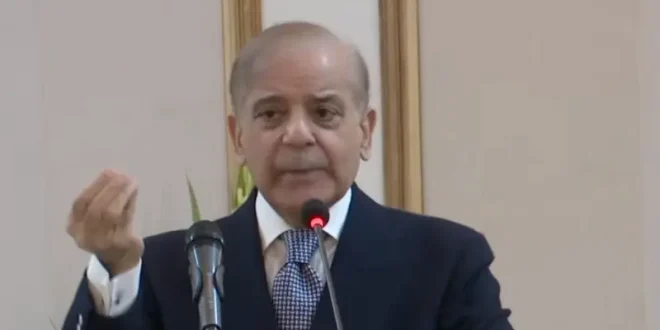
Prime Minister Shehbaz Sharif on Saturday specifically challenged PTI’s performance in Khyber Pakhtunkhwa, a province where the party has held considerable power for over a decade. He voiced concerns during a PML-N parliamentary meeting in Islamabad, asking whether the substantial resources allocated to the provincial government had genuinely translated into improved public services and transparent development.
Sharif highlighted what he portrayed as a disparity between PTI’s ambitious pledges – such as building numerous dams, generating hundreds of megawatts of solar power, and establishing a network of hospitals and universities – and the on-ground reality. He questioned the tangible improvements in healthcare, education, and basic facilities for the citizens of KP, particularly from Peshawar to Kohistan and the southern regions.
Crucially, the Prime Minister also turned his attention to the province’s security situation. He referenced the significant strides made against terrorism by 2017-18, acknowledging KP’s immense sacrifices. However, he accused the PTI government of failing to maintain these gains, pointing to the alleged re-entry of “brutal terrorists” into areas like Swat and questioning the utilization of National Finance Commission (NFC) funds specifically earmarked for counter-terrorism. He specifically asked about investment in “Safe City projects” and strengthening the Counter-Terrorism Department (CTD).
The timing of these remarks is paramount, coming directly after the federal government imposed governor’s rule and a state of emergency in KP on October 11th. This drastic measure was justified by the Centre citing the provincial government’s “deliberate disengagement” from the fight against terrorism – a move that has ignited fierce debate and criticism from the opposition, including PTI and even some allies like Jamiat Ulema-e-Islam (JUI-F) chief Fazlur Rehman.
In response, PTI’s Central Information Secretary Sheikh Waqas Akram vehemently rejected the accusations. He challenged the federal government’s moral authority, alleging electoral manipulation and criticizing the Centre for shifting blame for security failures. Akram maintained that the federal government itself had failed to provide necessary resources for counter-terrorism and accused it of prioritizing political vendetta over addressing genuine security concerns.
Background: A Decade of PTI, Security Challenges, and Political Tensions
Khyber Pakhtunkhwa holds unique significance in Pakistan’s political landscape. It has been the primary provincial stronghold of the Pakistan Tehreek-e-Insaf (PTI) for the better part of the last 13 years, allowing the party to implement its governance model and political philosophy. PTI’s consistent electoral victories in KP provided a platform for its vision of “Naya Pakistan,” focusing on institutional reforms, anti-corruption, and improved social services.
However, KP has also historically been at the forefront of Pakistan’s battle against terrorism. The province has endured immense human and economic costs, as highlighted by PM Shehbaz Sharif. The infamous 2014 Army Public School (APS) tragedy, which claimed over 140 lives, including many schoolchildren, underscored the brutal reality of this conflict. Former Prime Minister Nawaz Sharif’s subsequent policies were instrumental in significantly reducing terrorist activities by 2017-18, a period of relative calm that now seems to be receding.
The recent resurgence of terrorism, particularly in KP, has become a major flashpoint between the federal government and the PTI-led provincial administration. The Centre accused the PTI of lacking commitment to counter-terrorism efforts and, more severely, alleged a “nexus” between the provincial government and terrorist groups. This culminated in the controversial imposition of governor’s rule, a constitutional provision allowing federal control in extraordinary circumstances, typically when a provincial government is deemed unable to function or maintain order. The timing coincided with weeks of escalating political tensions, including PTI’s planned long march to Islamabad demanding the release of its founder, Imran Khan, and a breakdown of crucial talks between the government and opposition on various issues, including counter-terrorism policy and election dates.
Financially, the National Finance Commission (NFC) award plays a critical role. It dictates the distribution of revenue between the federal and provincial governments. Special NFC arrangements and allocations are often made for provinces like KP, recognizing their unique security challenges and developmental needs. The effective and transparent utilization of these funds for strengthening law enforcement, especially the CTD, is paramount for national security.
Impact on Pakistan: Deepening Divides and Critical Questions
The ongoing political rhetoric and recent actions concerning KP have profound implications for Pakistan’s political stability, governance structure, and national security strategy.
- Exacerbated Political Polarization: The direct accusations and counter-accusations between the ruling coalition and PTI further deepen the already severe political polarization in the country. This constant blame game hinders consensus-building on critical national issues, diverting attention and resources from pressing challenges like the economy and security.
- Erosion of Trust in Governance: PM Shehbaz’s questioning of fund transparency and development outcomes in KP, whether politically motivated or not, casts a shadow over public trust in governance. It highlights the persistent challenge of accountability and the effective utilization of taxpayer money across all tiers of government in Pakistan.
- Challenges to Federalism and Provincial Autonomy: The imposition of governor’s rule, while constitutionally permissible, always raises concerns about federal overreach and the erosion of provincial autonomy. It underscores the delicate balance required in Pakistan’s federal system, especially when national security is invoked. The decision sets a precedent and could influence future centre-province relations.
- Critical Security Implications: The debate around counter-terrorism in KP is not merely political; it touches upon the very fabric of national security. A fragmented or politicized approach to fighting terrorism can have devastating consequences. The lack of coordination or alleged “disengagement” from a provincial government in such a vital battle is a serious concern that demands a unified national strategy, not just political finger-pointing.
- Economic Vulnerability: Political instability and security concerns directly impact Pakistan’s already fragile economy. International investors are wary of volatile environments, and internal unrest disrupts economic activity. The recovery process, which PM Shehbaz acknowledged as a “long journey,” requires peace and stability, not constant political friction.
Analysis: Accountability, Strategy, and the Road Ahead
Prime Minister Shehbaz Sharif’s strong statements serve multiple purposes. On one level, they represent a direct challenge to PTI’s governance record in its traditional stronghold. By questioning tangible development and financial transparency over 13 years, the PML-N aims to dismantle PTI’s narrative of effective governance and expose potential shortcomings. This is a classic political tactic, especially potent given PTI’s populist appeal built on promises of reform and accountability.
However, the critique extends beyond mere political point-scoring. It strategically positions the federal government as proactive in addressing a deteriorating security situation, providing a retrospective justification for the controversial governor’s rule. By highlighting the alleged negligence in counter-terrorism spending and strategy, Shehbaz Sharif aims to shift the responsibility for the recent surge in militancy towards the PTI provincial government, contrasting it with previous PML-N efforts post-APS.
The PTI’s rebuttal, focusing on the federal government’s own alleged failures and questioning its legitimacy, reflects the deep-seated mistrust and rivalry that define current Pakistani politics. Their argument that the Centre is using security as a pretext for political victimization resonates with their support base, portraying the governor’s rule as an undemocratic imposition.
At the heart of this dispute lies a critical question about accountability: who is responsible for the welfare and security of a province? While provincial governments have significant autonomy, particularly after the 18th Constitutional Amendment, the federal government retains overall responsibility for national security and strategic direction. The effective implementation of counter-terrorism policies requires seamless coordination and resource sharing between federal and provincial entities. The allegations of “deliberate disengagement” point to a catastrophic failure of this necessary cooperation, regardless of which side is primarily to blame.
Looking forward, the political landscape remains highly charged. PM Shehbaz’s directive to PML-N lawmakers in KP to prioritize short-term welfare projects suggests an attempt to reconnect with the populace and build goodwill, potentially ahead of future elections. However, the path to genuine recovery – both economic and security-wise – demands more than just political critique and blame games. It requires a concerted, unified national effort, transcending party lines, to address the root causes of insecurity and ensure transparent, effective governance across all provinces.
The events in KP underscore the urgent need for a mature political discourse in Pakistan. While accountability is crucial, it must be pursued constructively, focusing on institutional strengthening and policy coherence rather than perpetual confrontation. Only then can the country hope to achieve lasting peace, economic stability, and progress for all its citizens.
“`