 Dost Pakistan Journeys Tours and safaris in the North & South Pakistsn
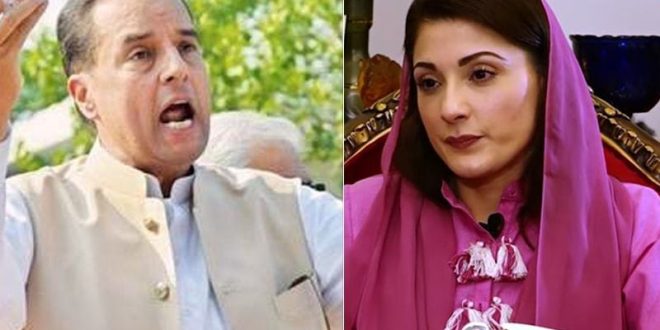
Analysis: Capt. Safdar’s Controversial Remarks Ignite Debate on Women’s Rights and Public Discourse in Pakistan
A recent speech by retired Captain Muhammad Safdar, spouse of Punjab Chief Minister Maryam Nawaz, has sparked widespread outrage and ignited a critical discussion on women’s rights, public decency, and political accountability in Pakistan. His remarks, made at a Khatm-i-Nabuwwat rally in Chiniot, directly attacked the slogan “mera jism, meri marzi” (my body, my choice) and included disparaging comments about the late human rights icon Asma Jahangir. The swift and strong condemnation from various quarters, including his own wife, underscores the shifting dynamics of public discourse in the country.
The News: A Storm of Controversy
Captain Safdar’s speech saw him question the sincerity of women who advocate for bodily autonomy, suggesting they contradict themselves by seeking prayers and spiritual remedies from religious scholars when facing severe illnesses like cancer. He stated that if women claim ownership over their bodies, they should also be able to cure them, asserting that the human body is ultimately under God’s control. Beyond these deeply insensitive comments, Safdar also regrettably targeted the late Asma Jahangir, referring to her as “cursed” during the same event.
The backlash was immediate and fierce. Punjab Chief Minister Maryam Nawaz responded to an X (formerly Twitter) post highlighting the insensitivity of Safdar’s cancer remarks, particularly given that her own mother, Kulsoom Nawaz, succumbed to the illness in 2018. Her brief yet poignant “Heartbreaking” comment, accompanied by an emoji and reflection on women’s silent battles, was widely interpreted as a public rebuke of her husband’s statements. Social media users, including prominent figures like TV anchor Ajmal Jami and activist Maheen Ghani, condemned Safdar for his “shameful and disgraceful” comments, questioning the twisted logic that links bodily autonomy to a woman’s right to seek prayers during illness.
Adding significant weight to the criticism, Pakistan’s premier legal bodies – the Pakistan Bar Council (PBC) and the Supreme Court Bar Association (SCBA) – issued strong condemnations. They deplored Safdar’s personal attack on Asma Jahangir, emphasizing her invaluable contributions to human rights and the legal fraternity, and condemned his derogatory remarks against women and cancer patients. Both bodies urged public representatives to exercise restraint and dignity in their statements, with the SCBA specifically reminding that such conduct could attract “penal consequences” and called for immediate legal action against Safdar.
Background: Decoding “Mera Jism, Meri Marzi” and Pakistan’s Socio-Political Climate
To fully grasp the gravity of Captain Safdar’s remarks, it’s essential to contextualize the elements he chose to attack:
- “Mera Jism, Meri Marzi” (My Body, My Choice): This slogan gained prominence in Pakistan through the annual Aurat March (Women’s March). It is a fundamental assertion of bodily autonomy, advocating for women’s right to make decisions about their own bodies, health, reproductive choices, and consent, free from coercion or patriarchal control. It is a demand for self-determination and dignity, challenging societal norms that often dictate women’s lives. It has no logical connection to a person’s ability to cure severe diseases, nor does it negate their right to faith or prayer.
- Khatm-i-Nabuwwat Rallies: These gatherings are typically conservative religious events, often focused on protecting the finality of prophethood in Islam. While important for many, these platforms can sometimes be leveraged to espouse socio-political views that are perceived as traditionalist or against liberal interpretations of rights, including women’s rights. Safdar’s choice of platform for such contentious remarks is notable.
- Asma Jahangir: The late Asma Jahangir remains an unparalleled figure in Pakistan’s human rights landscape. A fearless lawyer, activist, and former President of the Supreme Court Bar Association, she dedicated her life to advocating for democracy, minority rights, women’s rights, and the rule of law, often in the face of immense personal risk. Attacking her posthumously, particularly with religious slurs, is seen not only as deeply disrespectful but also as an assault on the very ideals of justice and human dignity she championed.
Pakistan is a society grappling with a complex interplay of conservative religious values and a growing progressive movement demanding fundamental rights and equality. Debates around women’s roles, their autonomy, and public space are frequently contentious, with progressive voices often clashing with those upholding traditional patriarchal structures, sometimes using religious rhetoric to justify their stances.
Impact on Pakistan: Echoes in Public Discourse and Political Accountability
Captain Safdar’s comments and the subsequent uproar have several significant implications for Pakistan:
- Polarization of Public Discourse: The incident further entrenches the ideological divide within Pakistani society. It highlights the persistent challenge of fostering respectful dialogue when fundamental rights, especially those concerning women, are attacked using faith-based arguments and insensitive generalizations.
- Strengthening Women’s Rights Advocacy: Paradoxically, such attacks often galvanize the women’s rights movement. The strong collective voice from activists, social media users, and legal bodies demonstrates a growing intolerance for misogynistic and regressive narratives, even when voiced by influential political figures.
- Political Accountability and Leadership: Chief Minister Maryam Nawaz’s response is particularly impactful. As a prominent female leader and daughter of a former Prime Minister, her public distancing from her husband’s remarks, however subtle, sends a crucial message. It signals a potential shift where political figures, even within family circles, are expected to uphold a certain standard of public conduct and empathy. This can set a precedent for greater accountability for hate speech, especially when it targets vulnerable groups or misrepresents human suffering.
- Role of Legal Community: The emphatic condemnation from the PBC and SCBA underscores the vital role of legal institutions in safeguarding human rights, upholding the dignity of individuals (living and deceased), and challenging hate speech. Their call for legal action highlights the potential for prosecuting such offensive remarks, emphasizing that freedom of speech is not absolute and comes with responsibilities.
- Challenging Stigma Around Illness: Safdar’s remarks shamefully weaponized a devastating illness like cancer. This not only trivializes the suffering of patients and their families but also contributes to the stigma surrounding critical diseases. The backlash reinforces the need for compassionate public discourse around health and illness.
SEO Keyword Focus: This incident resonates with critical discussions around women’s rights in Pakistan, bodily autonomy, the fight against hate speech, and the evolving nature of Pakistan politics. The involvement of figures like Maryam Nawaz and the legacy of Asma Jahangir further highlight its significance in the national discourse on gender equality and human rights.
Analysis: Beyond the Remarks – A Deeper Look at Power, Gender, and Faith
Captain Safdar’s statements are more than just an ill-advised gaffe; they represent a deeply problematic confluence of misogyny, misinformation, and the weaponization of faith. His attempt to discredit the “mera jism, meri marzi” slogan by linking it to an individual’s inability to self-cure cancer is a false equivalence. Bodily autonomy is about rights and consent, not about bypassing medical science or religious belief in healing. It attempts to corner women into a false dilemma: either claim bodily autonomy and forsake faith, or surrender autonomy to God’s will. This logic not only misrepresents the slogan but also misinterprets the essence of faith, which often involves seeking both human ingenuity (medical help) and divine intervention through prayer.
The hypocrisy of his remarks is glaring. His own mother-in-law, Kulsoom Nawaz, battled cancer, a personal tragedy that should have instilled empathy rather than fuel such insensitive analogies. Furthermore, as the spouse of a female Chief Minister and a father to a daughter, his words undermine the very women in his life and the broader struggle for female empowerment in Pakistan. The SCBA rightly pointed out this contradiction, demanding a higher standard of conduct from someone in his position.
Maryam Nawaz’s response, though restrained, is politically significant. In a patriarchal society, directly confronting a spouse’s public statements, especially when they align with certain conservative sentiments, requires courage. Her expression of heartbreak and acknowledgement of women’s “silent battles” provided a much-needed empathetic counter-narrative, aligning her with progressive values while subtly rebuking her husband. This move potentially positions her as a leader sensitive to women’s issues, even when challenging those within her immediate sphere.
Ultimately, this incident serves as a stark reminder of the ongoing struggle for respectful, inclusive public discourse in Pakistan. It underscores the urgent need for public figures to understand the profound impact of their words, particularly when they touch upon sensitive issues of gender, faith, and human dignity. The strong collective condemnation, from individual citizens to powerful legal institutions and even political allies, offers a glimmer of hope that regressive narratives are being increasingly challenged and that the demand for a more just and equitable society is growing louder.
