Dost Pakistan Journeys Tours and safaris in the North & South Pakistsn
Related Articles

“`html
US Hears Pakistan’s Concerns Over Afghanistan Terrorism, Pledges ‘Productive Role’ – An Analysis
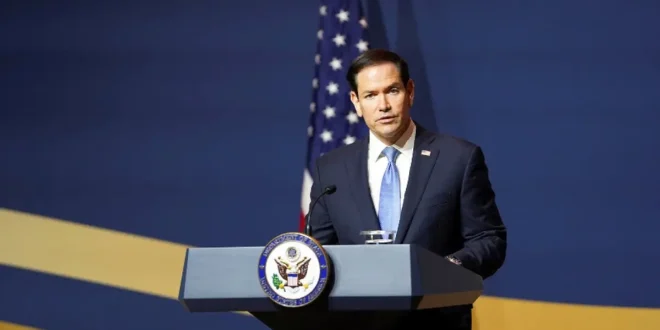
Summary of the News: US Secretary of State Marco Rubio affirmed that Washington acknowledges Pakistan’s profound concerns regarding terrorist activities originating from Afghanistan. Speaking in Atlanta, Rubio indicated that the US would play a “productive role” if such an opportunity arose, emphasizing the US stance against terrorism regardless of its source or target. This statement comes amidst escalating tensions and cross-border skirmishes between Pakistan and the Afghan Taliban, with Islamabad repeatedly accusing Kabul of failing to dismantle Tehreek-i-Taliban Pakistan (TTP) sanctuaries on Afghan soil. The Afghan Taliban, in turn, have rejected these allegations, blaming Pakistan’s policies for the deteriorating relations. Multiple rounds of bilateral and internationally facilitated talks have failed to yield a resolution, highlighting the complex and fragile regional security landscape.
The News: A Diplomatic Overture Amidst Regional Tensions
The recent statement by US Secretary of State Marco Rubio, acknowledging Pakistan’s legitimate security grievances concerning cross-border terrorism from Afghanistan, marks a nuanced diplomatic move. Rubio’s assurance that the United States would consider playing a “productive role” underscores a delicate balancing act for Washington in a volatile region where its direct military footprint has diminished considerably.
Pakistan has consistently voiced alarm over the resurgence of the Tehreek-i-Taliban Pakistan (TTP) and other militant groups operating from Afghan territory, alleging that the Afghan Taliban leadership has either been unwilling or unable to contain these threats. This refusal, according to Islamabad, has led to a significant uptick in terrorist attacks within Pakistan, prompting retaliatory actions, including calibrated airstrikes and persistent border skirmishes.
Conversely, the Afghan Taliban administration categorically denies providing sanctuary to militants, instead deflecting blame onto Pakistan’s internal policies for the ongoing security challenges. This fundamental disagreement has rendered several rounds of mediation—involving Qatar, Turkey, China, and even a renewed offer from Russia—ineffective, leaving the bilateral relationship deeply fractured and the border regions perpetually on edge.
Background: A Tapestry of Entangled Histories and Shifting Alliances
Understanding the current standoff requires delving into the intricate historical and geopolitical currents that define US-Pakistan, US-Taliban, and Pakistan-Taliban relations.
- US-Pakistan Relations: Historically, this relationship has been transactional, often driven by shared security interests, particularly during the Cold War and the War on Terror. However, it has also been characterized by periods of deep mistrust, stemming from issues like Pakistan’s nuclear program, alleged support for certain militant groups, and differing approaches to regional stability post-9/11. The US withdrawal from Afghanistan in 2021 significantly altered the strategic calculus, leaving Pakistan to grapple with the direct fallout.
- The Afghan Taliban’s Resurgence and Ideological Ties: The Taliban’s return to power in Afghanistan, following the US withdrawal, revitalized ideologically aligned groups like the TTP. Despite international demands, the Afghan Taliban have shown reluctance to take decisive action against the TTP, largely due to shared Pashtun identity, historical alliances, and the strategic utility some within the Taliban might see in maintaining certain militant networks. This presents a complex challenge, as outright confrontation with the TTP could risk internal divisions within the Afghan Taliban.
- Pakistan’s Dilemma: For decades, Pakistan played a complex role in Afghanistan, supporting various factions, including elements of the Afghan Taliban, as part of its “strategic depth” policy. However, the rise of the TTP, which targets the Pakistani state, has turned this policy into a significant domestic security threat. Pakistan finds itself facing a hostile ideological cousin across its western border, making the Durand Line—the disputed border—a flashpoint of constant tension.
- Regional Power Dynamics: The vacuum left by the US withdrawal has drawn in other regional powers. China, with its Belt and Road Initiative (BRI) interests in Pakistan and Afghanistan, and Russia, seeking to maintain influence in Central Asia, have both engaged with the Taliban and offered mediation, albeit with limited success. This multi-polar engagement complicates efforts to forge a unified international approach to the Afghan-Pakistan border issue.
Impact on Pakistan: A Multidimensional Crisis
The escalating tensions with Afghanistan and the persistent threat of cross-border terrorism have severe, multifaceted impacts on Pakistan.
- Heightened Internal Security Threats: The most immediate consequence is a dramatic increase in terrorist attacks within Pakistan, particularly in its western provinces like Khyber Pakhtunkhwa and Balochistan. This fuels instability, creates a climate of fear, and strains the resources of Pakistan’s security forces.
- Economic Strain: Diversion of national resources towards counter-terrorism operations, increased border security expenditures, and the overall perception of instability deter foreign investment crucial for Pakistan’s struggling economy. Trade routes and economic projects in border regions are also adversely affected.
- Diplomatic Frustration and Isolation: Despite repeated attempts at dialogue and engaging international mediators, Pakistan’s inability to secure concrete commitments from the Afghan Taliban regarding the TTP has led to deep diplomatic frustration. While the US statement offers a glimmer of hope, the lack of robust international action leaves Pakistan feeling diplomatically constrained.
- Humanitarian Cost: The ongoing conflict leads to civilian casualties, displacement, and disruption of daily life for communities along the extensive border, exacerbating humanitarian challenges.
- Strain on Bilateral Relations: The failure of dialogue and persistent cross-border incidents continue to erode trust between Islamabad and Kabul, making any future cooperation on vital issues like trade, transit, and regional stability increasingly difficult.
Analysis: Navigating the Murky Waters of Regional Instability
Rubio’s statement, while offering a gesture of support, is a carefully worded diplomatic maneuver reflecting the United States’ complex position and limited leverage in Afghanistan post-withdrawal. The phrase “productive role” is intentionally vague, likely signaling a willingness for diplomatic engagement, intelligence sharing, and perhaps economic or technical assistance to Pakistan rather than direct military intervention or robust pressure on the Taliban.
Several critical dynamics are at play:
- US Constraints and Priorities: The US has no desire for renewed military entanglement in Afghanistan. Its primary concerns in the region now revolve around counter-terrorism (specifically ISIS-K), humanitarian aid, and preventing Afghanistan from becoming a launchpad for global terror. Engaging with Pakistan on its TTP concerns aligns with the broader counter-terrorism agenda without requiring a direct confrontation with the Afghan Taliban, with whom the US maintains a fragile, indirect line of communication.
- Taliban’s Internal Conflicts: The Afghan Taliban face an ideological and pragmatic dilemma. While they derive legitimacy from their victory over foreign forces, their refusal to curb groups like the TTP undermines their efforts to gain international recognition and desperately needed economic aid. Their actions are likely dictated by internal power struggles, ideological commitments, and tribal loyalties that are difficult to reconcile with international expectations.
- Pakistan’s Limited Options: Pakistan is caught between a rock and a hard place. Unilateral military action risks further destabilizing the border and incurring international condemnation. Continued diplomacy has proven futile. The country desperately needs concerted international pressure on the Afghan Taliban, but the geopolitical landscape makes a unified approach challenging.
- The “Productive Role” – A Spectrum of Possibilities: The US could potentially engage in:
- Enhanced Intelligence Sharing: Providing Pakistan with actionable intelligence on TTP movements and safe havens.
- Diplomatic Facilitation: Leveraging its influence, however diminished, to encourage a more constructive dialogue between Pakistan and the Afghan Taliban.
- Targeted Sanctions: Applying financial sanctions against specific TTP leaders or facilitators, or even individuals within the Afghan Taliban found to be directly supporting the TTP.
- Capacity Building: Assisting Pakistan in improving its border management and counter-terrorism capabilities.
However, a direct military role for the US or significant economic sanctions against the Afghan Taliban leadership for this specific issue seems unlikely given Washington’s broader strategic priorities.
- Regional Instability: The unresolved Afghanistan-Pakistan border issue remains a major flashpoint, with implications for Central Asia, Iran, and the broader South Asian region. Without a sustainable resolution, the cycle of violence and instability will continue to undermine regional peace and development.
In essence, Rubio’s statement serves as a strategic acknowledgment of a partner’s distress, offering a vague promise of assistance without committing to a burdensome intervention. For Pakistan, it’s a welcome recognition of its plight, but the true measure of its impact will depend on the tangible actions that follow, if any, and the Afghan Taliban’s willingness to shift from their current defiant stance.
“`