 Dost Pakistan Journeys Tours and safaris in the North & South Pakistsn
“`html
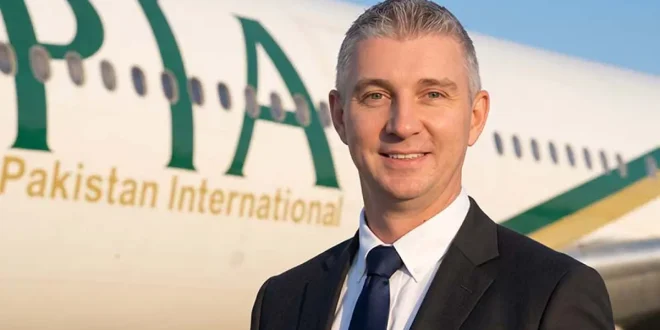
Adrian Hamilton-Manns Appointed New PIA CEO: Charting a Course for Transformation and Profitability
The News: A Pivotal Leadership Change at PIA
Pakistan International Airlines (PIA), the nation’s flag carrier, has officially announced the appointment of Adrian Hamilton-Manns as its new Chief Executive Officer (CEO). This strategic leadership change comes at a critical juncture for the airline, following its recent privatization. Hamilton-Manns is heralded as a global aviation expert, bringing over 30 years of experience and a proven track record in transforming and reviving airlines.
The press release from PIA underscored his “wealth of leadership and strategic experience within the global aviation sector,” signaling that his tenure is anticipated to mark a “pivotal chapter” in the airline’s ongoing transformation journey. His resume boasts leadership roles at notable carriers such as Oman’s SalamAir and Kazakhstan-based FlyArystan, in addition to significant positions at South African Airways and Virgin Australia, demonstrating a diverse range of experience across different market dynamics.
The announcement also included a grateful acknowledgment of the outgoing CEO, Air Vice Marshal (AVM) Amir Hayat, for his “outstanding service” over his four-and-a-half-year tenure. Hayat’s leadership was instrumental in guiding PIA through significant industry challenges and laying the groundwork for its highly anticipated privatization phase, which included initiating comprehensive structural reforms and optimizing operational efficiencies.
With Hamilton-Manns at the helm, PIA expresses confidence that his extensive industry expertise will be crucial in accelerating strategic objectives, elevating service standards, and driving sustainable profitability in what is being termed a “new era” for the airline.
Background: PIA’s Journey to Privatization and Transformation
To fully grasp the significance of Hamilton-Manns’ appointment, it’s essential to contextualize PIA’s recent history. For decades, Pakistan International Airlines served as a symbol of national pride, once recognized for its service quality and pioneering routes. However, a prolonged period of mismanagement, accumulating debt, operational inefficiencies, and significant financial losses led to a steady decline, transforming the national flag carrier into a considerable burden on the national exchequer.
The push for privatization gained significant momentum as successive governments grappled with the unsustainable losses. In a landmark move in December last year, a consortium led by Arif Habib Corporation Limited successfully acquired 75 percent shares of PIA for Rs135 billion in an auction. This marked a definitive shift from state-ownership to private management, with the consortium officially taking charge in June of this year.
The new private ownership has ambitious plans to revitalize the airline, focusing on comprehensive operational restructuring, expanding its fleet, and significantly improving customer service to restore PIA’s lost glory and steer it towards profitability. Early signs of this commitment are already visible, with the recent acquisition of a Boeing 787-9 Dreamliner, making PIA the first Pakistani airline to add this modern aircraft to its fleet. This move signals an intent to modernize and enhance the airline’s long-haul capabilities and passenger experience.
The privatization of PIA is also part of a broader trend in Pakistan to reform state-owned enterprises (SOEs) that have historically drained public resources. Its success or failure will likely influence future privatization efforts and investor confidence in the country.
Impact on Pakistan: Economic Resurgence and Global Connectivity
The successful turnaround of PIA under its new leadership and private ownership holds immense potential ramifications for Pakistan across several dimensions:
- Economic Relief and Contribution: A profitable PIA would alleviate the massive financial burden on the government, freeing up resources for other critical sectors. Furthermore, a thriving airline can contribute significantly to the GDP through job creation, taxes, and stimulating related industries like tourism and cargo services.
- Enhanced Global Image and Connectivity: A revitalized PIA, known for its punctuality, modern fleet, and high service standards, could dramatically improve Pakistan’s international image. It would enhance air connectivity, fostering trade, investment, and tourism, making Pakistan a more accessible destination for business and leisure travelers alike.
- Boost to Tourism: Pakistan possesses diverse landscapes and cultural heritage with significant tourism potential. A robust national airline can play a pivotal role in facilitating inbound tourism, connecting remote regions, and generating foreign exchange.
- Regional Aviation Hub Potential: With strategic geographical positioning, a strong PIA could help position Pakistan as a regional aviation hub, attracting transit traffic and increasing the country’s influence in the global air transport network.
- Investor Confidence: A successful privatization and turnaround story for PIA could serve as a powerful signal to international investors, demonstrating Pakistan’s commitment to economic reforms and its potential for profitable ventures, thereby attracting further foreign direct investment into the country.
Analysis: Hamilton-Manns’ Expertise Meets PIA’s Challenges and Opportunities
The Right Man for the Job?
Adrian Hamilton-Manns’ appointment is not merely a change in leadership; it’s a strategic alignment of specialized expertise with a colossal task. His reputation as a “world expert” in transforming and reviving airlines, managing three as CEO, makes him an ideal candidate for PIA. The airline is not just a company needing optimization; it requires a complete overhaul – from its operational DNA to its brand perception. His experience with diverse airline models, from budget carriers like FlyArystan to more established entities, suggests a versatile approach that PIA desperately needs.
Hurdles on the Path to Revival
Despite the optimism, the road ahead for Hamilton-Manns and the consortium is fraught with significant challenges:
- Legacy Debt and Financial Restructuring: PIA’s deep-seated financial woes, including substantial accumulated losses and debt, will require meticulous financial restructuring and sustained capital injection from the consortium.
- Operational Efficiency and Modernization: Streamlining archaic processes, optimizing routes, upgrading ground infrastructure, and ensuring timely maintenance will be crucial. The Dreamliner acquisition is a positive start, but consistent fleet modernization is a long-term undertaking.
- Service Standards and Reputation: Decades of inconsistent service and negative publicity have eroded passenger trust. Rebuilding a reputation for reliability, comfort, and customer-centricity will demand significant cultural change within the organization.
- Workforce Management and Cultural Shift: Privatization often brings anxieties and resistance within the existing workforce. Managing this transition, aligning employees with new corporate goals, and fostering a performance-driven culture will be delicate yet vital.
- Competitive Landscape: PIA operates in a fiercely competitive global aviation market, both domestically and internationally. Distinguishing itself and securing market share against established and agile competitors will require innovative strategies.
- Regulatory Environment: Navigating Pakistan’s regulatory framework and potential political influences, even after privatization, could present complexities.
Opportunities for Growth
Conversely, Hamilton-Manns steps into a role with considerable inherent opportunities:
- Strong Private Backing: The Arif Habib-led consortium provides not only capital but also private sector agility and a clear profit-driven mandate, which were often absent under state ownership.
- Untapped Market Potential: Pakistan’s large diaspora, growing middle class, and strategic geographical location offer a vast, relatively underserved market for air travel.
- Modern Fleet Acquisition: The Boeing 787-9 Dreamliner signals a commitment to a modern, efficient fleet, which can enhance passenger experience and operational cost-effectiveness.
- “Clean Slate” Post-Privatization: The privatization offers a chance to shed historical baggage and implement radical reforms without the bureaucratic and political interference that hampered past turnaround efforts.
Conclusion: A Cautious Optimism
Adrian Hamilton-Manns’ appointment is undoubtedly a strategic move designed to inject world-class expertise into PIA at its most critical juncture. His track record aligns perfectly with the monumental task of transforming a beleaguered national carrier into a commercially viable and respected airline. The combination of his specialized knowledge, the consortium’s financial backing, and the recent fleet upgrade presents a credible pathway to revival.
However, the journey will be long and arduous, demanding not only strategic acumen and financial discipline but also a profound cultural transformation within PIA. The success of this “pivotal chapter” will not only define the future of Pakistan International Airlines but also stand as a testament to the efficacy of the country’s privatization efforts and its potential for economic resurgence on the global stage.
“`
