Dost Pakistan Journeys Tours and safaris in the North & South Pakistsn
Related Articles


“`html
Pakistan’s Ports: Unlocking Central Asian Trade Through Strategic Gateways
Pakistan is actively championing its seaports as crucial conduits for landlocked Central Asian nations, aiming to transform regional trade dynamics. This initiative, highlighted at a recent forum in Kazakhstan, signals a strategic pivot to enhance connectivity and economic integration across Asia.
The News: Pakistan Pitches Ports at Tianshan Forum
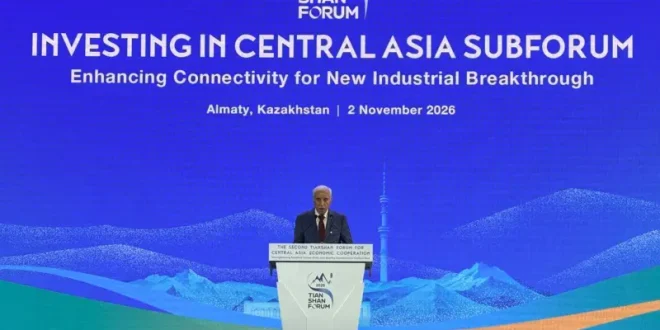
At the Second Tianshan Forum for Central Asian Economic and Quality Investment in Almaty, Kazakhstan, Pakistan’s Minister for Board of Investment (BoI), Qaiser Ahmed Sheikh, presented a compelling vision. He underscored Pakistan’s three primary seaports – Karachi Port, Port Qasim, and Gwadar Port – as “strategic gateways” designed to offer vital access to international maritime trade routes for Central Asian countries (CARs).
The minister emphasized that this regional connectivity extends beyond mere infrastructure, aiming to foster economic partnerships, investment opportunities, and job creation. He particularly highlighted Karachi’s established industrial and financial infrastructure and Gwadar’s growing potential. Addressing an audience of high-level policymakers, business leaders, and multilateral development banks, Sheikh invited investment into key sectors like energy, logistics, and manufacturing, stressing the critical role of improved connectivity and reliable energy supplies for unlocking the region’s vast economic potential. The forum itself focused on “Strengthening Resilient Connectivity and Quality Investment in Central Asia,” acknowledging significant challenges such as geopolitical tensions, high trade costs, and uneven digital infrastructure across the region.
Background: The Imperative for Central Asian Connectivity
The Central Asian Republics (Kazakhstan, Kyrgyzstan, Tajikistan, Turkmenistan, and Uzbekistan) are unique in their landlocked geography, historically relying heavily on Russia and, more recently, China for external trade routes. This geographical constraint has long limited their direct access to global markets, impacting economic diversification and growth. The need for alternative, efficient, and reliable transit corridors is paramount for these nations to expand their trade horizons and reduce dependency.
Pakistan, with its Arabian Sea coastline, offers the shortest and most direct route to warm waters for many of these states. Its strategic geographical location places it at the crossroads of South Asia, Central Asia, and the Middle East, making it a natural gateway for transit trade. Pakistan’s port infrastructure, particularly the bustling Karachi Port and Port Qasim, has served as the backbone of its own international trade for decades. The development of Gwadar Port, a deep-sea facility under the China-Pakistan Economic Corridor (CPEC) initiative, further amplifies this potential. Gwadar, strategically located near the Strait of Hormuz, is envisioned as a future regional hub that can significantly shorten transit times and costs for goods moving between Central Asia, Western China, and global markets.
Multilateral platforms like the Central Asia Regional Economic Cooperation (CAREC) Programme play a crucial role in fostering this regional integration. CAREC aims to promote economic growth and poverty reduction by facilitating cooperation in transport, trade, energy, and digital connectivity among its member countries, which include Pakistan and the CARs. The Tianshan Forum, aligned with CAREC’s strategies, underscores the collective ambition to overcome persistent challenges such as fragmented infrastructure, inconsistent customs procedures, and the digital divide that currently impede seamless cross-border flows.
Impact on Pakistan: A Vision for Economic Transformation
Successfully positioning Pakistan’s ports as the preferred transit route for Central Asian trade carries profound implications for the nation’s economic trajectory and regional standing.
- Economic Growth and Revenue Generation: Increased transit trade would directly boost Pakistan’s economy through enhanced port revenues, logistics services, transportation fees, and related economic activities. This influx of commercial traffic would stimulate growth across various sectors.
- Investment Opportunities: The vision naturally attracts foreign and domestic investment in critical infrastructure development, including road and rail networks connecting to the CARs, logistics parks, warehousing facilities, and energy pipelines. This also extends to industrial partnerships and manufacturing, as emphasized by Minister Sheikh.
- Job Creation: Growth in the logistics, transportation, services, and industrial sectors would generate substantial employment opportunities, addressing a critical need for Pakistan’s youthful population.
- Geopolitical Influence and Regional Leadership: By becoming a primary trade artery for Central Asia, Pakistan would significantly enhance its strategic relevance and influence in the region. It would solidify its role as a key player in promoting regional connectivity and economic cooperation, strengthening its diplomatic ties with the CARs.
- Diversification of Economy: A robust transit trade sector would diversify Pakistan’s economic base, reducing its reliance on traditional export markets and sectors. It opens new avenues for trade, cultural exchange, and strategic partnerships.
- Infrastructure Development: To fully capitalize on this opportunity, Pakistan would be compelled to upgrade and expand its existing road, rail, and digital infrastructure, benefiting its own domestic economy and improving overall efficiency.
Analysis: Opportunities, Challenges, and the Road Ahead
Pakistan’s ambition to be the primary gateway for Central Asian trade is strategically sound, leveraging its geographical advantage and existing port infrastructure. However, realizing this vision requires navigating a complex landscape of opportunities and formidable challenges.
Opportunities:
- Shortest Route: For many CARs, Pakistan offers the most direct and geographically advantageous access to the Arabian Sea, potentially reducing transit times and costs significantly compared to other corridors.
- CPEC Synergy: The China-Pakistan Economic Corridor (CPEC), with Gwadar Port at its core, can be a game-changer. Integrating the CPEC framework with Central Asian connectivity initiatives creates a powerful synergy, leveraging Chinese investment to build robust infrastructure that benefits the entire region.
- Energy Corridor: Beyond goods, Pakistan can serve as an important energy corridor, facilitating the flow of oil and gas from energy-rich Central Asian nations to South Asian markets.
- Market Access: Pakistan offers the CARs access not only to international markets but also to its own large domestic market of over 240 million people, creating two-way trade benefits.
Challenges:
- Infrastructure Gaps: While the ports are capable, the overland connectivity (roads and railways) from Pakistan’s ports through Afghanistan to Central Asia requires substantial upgrades, modernization, and seamless cross-border integration. The quality of infrastructure within some CARs also varies.
- Security and Stability: The volatile security situation in Afghanistan presents a significant hurdle. A stable and secure Afghanistan is crucial for uninterrupted and reliable transit trade routes between Pakistan and Central Asia. Without it, alternative routes may be favored despite longer distances.
- Non-Physical Barriers: As highlighted by the Tianshan Forum agenda, inconsistent customs procedures, weak digitalization, non-harmonized standards, and inefficient border operations add significant “soft” costs and delays to trade. Addressing these bureaucratic hurdles is as critical as physical infrastructure development.
- Financing: Developing and upgrading the necessary infrastructure requires massive financial investment, which will necessitate robust public-private partnerships and international funding.
- Regional Competition: Pakistan faces competition from other regional players offering alternative routes, including Iran (Chabahar Port), Russia (North-South Corridor), and China (direct rail links). Pakistan needs to ensure its corridors are cost-effective, efficient, and reliable to be competitive.
- Political Will and Consistency: Sustained political commitment from all participating nations, coupled with consistent policy implementation, is vital for the long-term success of such ambitious regional connectivity projects.
- Digital Divide: Modern trade relies heavily on digital infrastructure. The reported “large gaps in backbone infrastructure, digital skills, and regulatory coherence” in CAREC countries pose a challenge that needs to be bridged for efficient, transparent, and resilient connectivity.
In conclusion, Pakistan’s proactive engagement at the Tianshan Forum underscores a clear and compelling strategic vision for regional integration. By positioning its ports as indispensable gateways for Central Asian trade, Pakistan aims to unlock immense economic potential for itself and the wider region. While the opportunities are substantial, success will ultimately depend on effectively addressing the intricate challenges related to infrastructure, security, bureaucratic efficiency, and sustained multilateral cooperation. If these hurdles can be overcome, Pakistan stands to transform into a pivotal economic hub, reshaping the trade landscape of Central Asia and beyond.
For more insights into regional trade and connectivity, stay tuned to our analyses.
“`