Dost Pakistan Journeys Tours and safaris in the North & South Pakistsn
Related Articles



“`html
Pakistan’s Renewed Resolve: Federal Support for KP’s Counter-Terrorism Efforts and Development
Islamabad’s commitment to stabilize Khyber Pakhtunkhwa signals a critical moment in Pakistan’s fight against extremism and its vision for provincial prosperity.
The News
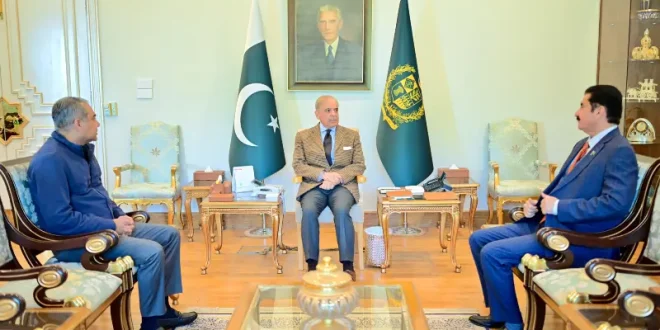
In a pivotal development, Prime Minister Shehbaz Sharif recently affirmed the federal government’s unwavering commitment to bolster Khyber Pakhtunkhwa (KP) in its comprehensive efforts against terrorism and for sustainable peace. During a meeting with KP Governor Faisal Karim Kundi in Islamabad, the Prime Minister explicitly pledged full cooperation to eradicate militancy, ensure enduring stability, and uplift the welfare of the province’s populace. Emphasizing the profound sacrifices made by KP’s security forces and police, PM Sharif vowed that federal resources would be mobilized to support key decisions from the Apex Committee aimed at counter-terrorism. Beyond security, a significant part of the discussion revolved around social development, with assurances of robust support for healthcare, education, and other essential services, alongside promoting sports and constructive youth activities. Governor Kundi, in turn, apprised the Prime Minister, and separately President Asif Ali Zardari, on the prevailing law and order situation and ongoing provincial advisory council initiatives, particularly following critical events in October.
Background: A Province Under Pressure
Khyber Pakhtunkhwa, Pakistan’s northwestern province bordering Afghanistan, has long been a crucible of security challenges. Its strategic location, coupled with the spillover effects of regional conflicts, has made it a frontline in the nation’s fight against various militant groups, including the resurgent Tehrik-i-Taliban Pakistan (TTP). The current federal assurances come against a backdrop of heightened political tension and a critical security situation. On October 11, the Centre invoked emergency and Governor’s Rule in KP, a controversial move that underscored deep concerns about the provincial government’s alleged “deliberate disengagement” from anti-terrorism efforts. This imposition, later endorsed by the Parliament despite opposition outcry, highlighted a perceived vacuum in provincial leadership regarding national security priorities.
Following this, Prime Minister Shehbaz Sharif convened a federal Apex Committee meeting in Peshawar on October 22, signaling a decisive shift towards direct federal intervention and coordination. This high-level gathering underscored a national consensus on the urgency of the threat and the need for tough measures. Concurrently, Chief of Army Staff Field Marshal Asim Munir has repeatedly articulated the security forces’ unyielding resolve to eliminate terrorism from the region, working closely with law enforcement agencies. These collective actions indicate a robust, centralized approach to a problem that requires both strategic military responses and a renewed focus on governance and socio-economic upliftment.
Impact on Pakistan: Stabilizing the National Core
The stability of Khyber Pakhtunkhwa is inextricably linked to Pakistan’s overall national security and development. The federal government’s reinforced commitment carries profound implications across multiple facets:
- National Security Imperative: A secure KP is fundamental to border management with Afghanistan and preventing the infiltration of militant elements into other parts of Pakistan. Persistent terrorism in KP not only threatens regional stability but also has direct repercussions for internal peace and order nationwide, impacting economic hubs and daily life.
- Political Cohesion and Federalism: The decision to impose Governor’s Rule and the subsequent federal intervention, while politically charged, underscore the central government’s assertion of responsibility in areas of national security when provincial mechanisms are deemed insufficient. This move aims to re-establish a unified front, crucial for effective governance in a federating unit under stress.
- Economic Revival and Development: Instability in KP deters both local and foreign investment, disrupts trade routes, and diverts vital resources towards security operations rather than development. The federal government’s pledge for socio-economic upliftment, focusing on education, healthcare, and infrastructure, is vital for fostering economic opportunities and breaking the cycle of poverty and extremism. This could also positively impact regional connectivity projects.
- Social Fabric and Public Trust: Decades of conflict have severely impacted KP’s social fabric, leading to displacement, trauma, and a erosion of public trust in state institutions. Federal support for basic facilities and youth engagement initiatives is critical for rebuilding community resilience, providing hope, and integrating marginalized populations, thereby undermining extremist narratives.
- Regional Diplomatic Influence: Pakistan’s ability to manage its internal security challenges, particularly in a sensitive border region, directly influences its standing and credibility in regional and international forums, especially concerning its counter-terrorism efforts and relations with Afghanistan.
Analysis: A Dual Strategy for Durable Peace
Prime Minister Shehbaz Sharif’s assurance to Governor Kundi represents more than just a political gesture; it signals a multi-faceted and potentially more effective approach to the complex challenges confronting Khyber Pakhtunkhwa. This strategy appears to hinge on two interconnected pillars:
- Robust Security Operations: The emphasis on implementing Apex Committee decisions and acknowledging the sacrifices of security forces highlights an uncompromising stance against terrorism. This suggests sustained and possibly intensified intelligence-based operations, enhanced border security, and greater resource allocation to law enforcement agencies to decisively neutralize militant threats. The federal backing ensures a unified command structure and resource mobilization, overcoming potential provincial shortcomings.
- Socio-Economic Development as a Counter-Narrative: Crucially, the federal government recognizes that military action alone cannot secure lasting peace. By committing to improving social development indicators – healthcare, education, basic amenities, and youth engagement through sports – Islamabad aims to address the root causes of extremism: poverty, lack of opportunity, and disillusionment. This ‘soft power’ approach seeks to build resilience within communities, provide constructive alternatives for youth, and ultimately delegitimize extremist ideologies by offering a pathway to prosperity and stability.
Challenges and the Path Forward
While the federal government’s comprehensive commitment is a positive step, several challenges loom large:
- Sustained Political Will: Translating pledges into tangible, long-term impact requires unwavering political will and consistent resource allocation, even amidst other national priorities.
- Effective Implementation: The success hinges on efficient coordination between federal and provincial administrations, ensuring funds and projects are executed transparently and effectively without bureaucratic hurdles.
- Public Buy-in and Trust: Rebuilding confidence among KP’s populace will be paramount. Transparent communication, visible progress on development projects, and upholding human rights during security operations are crucial for fostering local support.
- Regional Dynamics: The volatile situation in Afghanistan continues to pose a significant external challenge, with cross-border militant movements requiring astute diplomatic engagement alongside security measures.
In conclusion, the federal government’s renewed and comprehensive engagement with Khyber Pakhtunkhwa marks a critical inflection point. By coupling decisive counter-terrorism efforts with a robust socio-economic development agenda, Pakistan aims to forge a path towards durable peace and prosperity in a region historically plagued by conflict. The success of this dual strategy will not only define the future of KP but also significantly impact Pakistan’s trajectory towards national stability and economic resurgence.
“`