Dost Pakistan Journeys Tours and safaris in the North & South Pakistsn
Related Articles

“`html
Pakistan-China Energy Alliance: A New Chapter in Fuel Security and Infrastructure Development
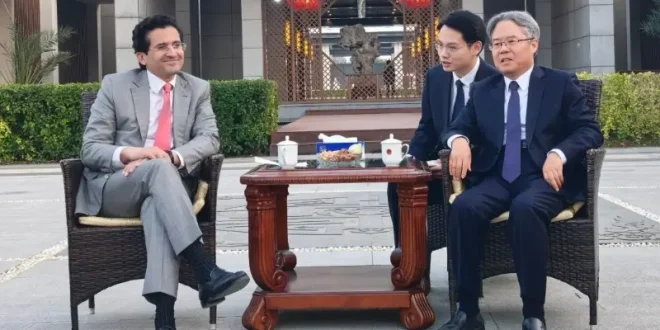
Islamabad, Pakistan – In a significant move set to reshape Pakistan’s energy landscape, Islamabad and Beijing have forged a government-to-government (G2G) agreement, paving the way for substantial Chinese investment in Pakistan’s vital petrol and liquefied petroleum gas (LPG) storage and terminal infrastructure. This strategic collaboration, emerging from high-level discussions between Pakistan’s Petroleum Minister Ali Pervaiz Malik, Pakistan State Oil (PSO) CEO Jawwad Ahmed Cheema, and Chinese Ambassador Jiang Zaidong, signals a deeper commitment to bilateral cooperation across critical sectors.
The Strategic Initiative
The core of the recent understanding revolves around two priority G2G initiatives designed to bolster Pakistan’s energy resilience and ensure a reliable supply for its growing population and economy:
- LPG Plant with Integrated Facilities: This project aims to significantly expand domestic LPG supply, facilitating wider access to cleaner fuel options and mitigating recurring shortages, particularly during peak demand seasons.
- Motor Gasoline (MoGas) Import & Logistics: Focused on strengthening fuel security, this initiative encompasses the entire supply chain – from sourcing and storage to efficient logistics – promising a stable supply of gasoline at competitive market prices.
Beyond these immediate priorities, the two nations are also exploring broader transformative investment opportunities. A joint commercial team, comprising experts from both countries, has been tasked with evaluating projects, engaging prospective companies, and developing a structured roadmap for mutually beneficial ventures. This extends to upstream and offshore oil and gas exploration, mineral exploration, mining, and expanding Chinese downstream companies’ presence through strategic partnerships with PSO, particularly in Balochistan and emerging offshore opportunities.
The discussions underscore Pakistan’s commitment to creating an attractive investment climate through progressive deregulation, investor-friendly policies, and improved security, with the minister emphasizing Pakistan’s vast untapped potential in energy and natural resources.
Background: A Deep-Rooted Partnership and Pressing Needs
This latest agreement is not an isolated event but rather a natural progression within the long-standing “all-weather friendship” between Pakistan and China, significantly amplified by the China-Pakistan Economic Corridor (CPEC). CPEC, a flagship project of China’s Belt and Road Initiative (BRI), has already seen substantial Chinese investment in Pakistan’s infrastructure and energy sectors, primarily in power generation projects like coal-fired and hydro plants.
Pakistan has historically grappled with chronic energy challenges:
- Energy Deficit: A persistent gap between energy demand and supply, leading to power outages and fuel shortages.
- Import Reliance: Heavy dependence on imported oil and gas, making the economy vulnerable to global price fluctuations and straining foreign exchange reserves.
- Infrastructure Gaps: Outdated or insufficient storage and terminal facilities hinder efficient fuel distribution and create logistical bottlenecks.
- Transition to Cleaner Fuels: A growing need to diversify energy sources and promote cleaner alternatives like LPG to address environmental concerns and improve public health.
The shift to a G2G framework for these crucial infrastructure projects signals a desire for enhanced government backing and reduced investment risk, reflecting the strategic importance both nations place on these initiatives. It also aligns with President Xi Jinping’s broader vision of openness, innovation, and cooperation within the Asia-Pacific region, as recently highlighted at APEC 2026.
Impact on Pakistan: Towards Energy Security and Economic Resilience
The implications of this enhanced Pakistan-China energy cooperation are profound and multi-faceted:
- Enhanced Energy Security: By increasing domestic LPG supply and streamlining MoGas imports with robust storage, Pakistan significantly reduces its vulnerability to international supply disruptions and price volatility. This directly translates into greater energy stability for industries and households.
- Economic Stability and Growth: A more secure and competitively priced fuel supply can lower production costs for businesses, stimulate industrial growth, and potentially reduce the country’s import bill, easing pressure on the balance of payments.
- Modernized Infrastructure: The investment will lead to the development of state-of-the-art storage and terminal facilities, addressing long-standing infrastructure deficits and improving the efficiency of the entire energy supply chain.
- Cleaner Energy Access: Expanding LPG infrastructure offers a cleaner burning fuel alternative to traditional sources, contributing to improved air quality and public health, especially in urban areas.
- Regional Development and Equity: The emphasis on unlocking investment potential in Balochistan highlights a strategic effort to bring economic development to a crucial yet often underserved region, leveraging its vast mineral and energy resources.
- Technology Transfer and Capacity Building: Collaboration with Chinese companies is expected to facilitate the transfer of advanced technologies and expertise, bolstering Pakistan’s domestic capabilities in energy infrastructure development and management.
While the benefits are substantial, Pakistan will need to carefully manage the terms of these investments to ensure long-term debt sustainability and maximize local employment and capacity-building opportunities.
Analysis: A Strategic Pivot in Bilateral Cooperation
This latest development represents a strategic pivot and deepening of the Pakistan-China relationship, moving beyond traditional CPEC power projects into the critical downstream and strategic storage sectors. It reflects several key analytical points:
1. CPEC’s Evolution and Expansion: This agreement signals a ‘CPEC 2.0’ phase, focusing on addressing structural weaknesses in Pakistan’s economy, particularly its energy infrastructure. While CPEC initially concentrated on power generation and connectivity, the new focus on fuel storage and distribution demonstrates a maturation of the partnership towards more holistic economic integration and resilience.
2. De-risking and Strategic Assurance: The G2G framework for these essential projects underscores their strategic nature. For China, it provides a level of sovereign assurance for significant investments, mitigating commercial and political risks. For Pakistan, it ensures commitment and expedited execution from a trusted partner, critical for projects with national security implications like fuel supply.
3. Addressing Core Economic Vulnerabilities: By directly targeting fuel security and storage, Pakistan is confronting some of its most persistent economic vulnerabilities. The ability to store larger reserves of petrol and LPG, and to import them competitively, provides a crucial buffer against global market volatility and supply shocks, which have historically destabilized the Pakistani economy.
4. Geopolitical Significance of Balochistan: The renewed emphasis on unlocking investment potential in Balochistan is highly significant. This resource-rich province is crucial for CPEC’s Gwadar port, and stability and development there are paramount. Integrating it into the broader energy infrastructure network carries both economic and strategic weight, potentially transforming the region’s socio-economic landscape.
5. From Discussions to Implementation: Minister Malik’s statement about moving “decisively” from discussions to implementation highlights an acknowledgment of past complexities and a renewed urgency to translate agreements into tangible projects. The formation of a joint commercial team is a practical step towards streamlining this process.
6. Broader Sino-Pak Alignment: The celebratory mention of Wing Commander Muhammad Zeeshan Ali’s space mission, making him the first Pakistani in orbit and a visitor to China’s Tiangong space station, while seemingly unrelated to energy, serves as a powerful symbol of the enduring and expanding friendship. It underscores a partnership that spans economic, scientific, and strategic domains, reinforcing the trust that underpins large-scale G2G energy collaborations.
In conclusion, this agreement marks a pivotal moment, cementing China’s role as Pakistan’s primary strategic partner in its quest for energy security and economic modernization. It reflects a maturing alliance that is evolving to address Pakistan’s pressing needs with a comprehensive, long-term vision, promising significant positive impacts on the nation’s energy landscape and broader economic stability.
“`