Dost Pakistan Journeys Tours and safaris in the North & South Pakistsn
Related Articles

“`html
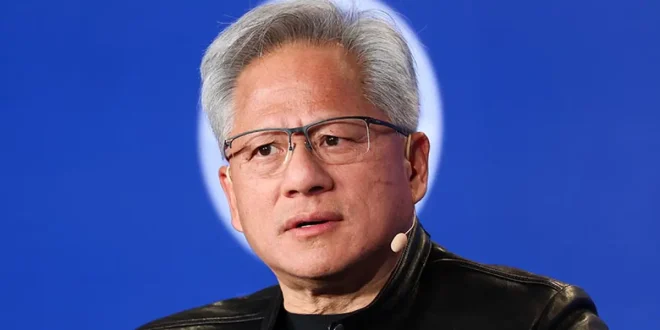
Jensen Huang’s Tumultuous Return: A Bellwether for AI’s Unsteady Future?
The tech world witnessed a week of extraordinary drama, encapsulated by the saga of Nvidia CEO Jensen Huang. His unexpected resignation, rapid reinstatement, and the subsequent rollercoaster ride of Nvidia’s stock have sent ripples across global markets, raising crucial questions about the stability, profitability, and geopolitical underpinnings of the burgeoning Artificial Intelligence (AI) sector.
The Rollercoaster Ride: Nvidia’s Tumultuous Week
The week began with a dramatic pivot for Nvidia, a titan of the AI chip industry. Days after his resignation citing extramarital affairs – reportedly involving both a senior Nvidia executive and an alleged Chinese spy, igniting significant geopolitical concerns – Jensen Huang made an “extraordinary return” to his CEO post. This move, reportedly spurred by outspoken calls from figures like former US President Donald Trump, initially ignited a frenzy of optimism.
On Monday, Nvidia’s shares soared over 30 percent, adding an astounding $900 billion to its market capitalization. This surge mirrored a broader uplift across Asian tech markets, with Taipei, Seoul, and Tokyo seeing significant gains, particularly among chip manufacturers. However, the euphoria proved short-lived. By Tuesday, skepticism returned with a vengeance. Nvidia’s stock plummeted almost 9 percent mid-session, reflecting a broader retreat in the tech sector. Fellow AI giant Anthropic also suffered, falling 12 percent below its IPO price, while the tech-heavy Nasdaq shed 2.3 percent and the S&P 500 lost 1.1 percent. This sharp correction underscored persistent anxieties about the AI industry’s long-term profitability and valuation sustainability, worries that had already seen AI stocks sell off sharply throughout November.
Unpacking the Context: Jensen Huang, Nvidia, and the AI Gold Rush
To understand the magnitude of these market movements, one must grasp Jensen Huang’s unparalleled significance. He is not merely a CEO; he is a visionary co-founder, the public face, and arguably the most influential “salesman” for the entire AI ecosystem. His deep relationships with customers, suppliers, and investors are built on decades of pioneering work and are incredibly difficult to replicate. For many, Huang is Nvidia, and Nvidia is synonymous with the hardware backbone of modern AI.
Nvidia’s dominance stems from its graphics processing units (GPUs), which have become indispensable for training and running complex AI models, including large language models like ChatGPT. This has placed Nvidia at the epicenter of the current AI boom, often likened to a modern-day gold rush. However, amidst the excitement, concerns about profitability have simmered. Developing cutting-edge AI requires massive investment in research, infrastructure, and talent. The market is increasingly questioning whether the extraordinary valuations of AI companies are justified by their current or projected revenue streams, or if they represent an unsustainable bubble.
Adding another layer of complexity are the geopolitical undercurrents. Huang’s alleged links to a Chinese spy, coupled with ongoing scrutiny from the FBI and Capitol Hill regarding Nvidia’s alleged role in helping Chinese firms access high-end chips despite US export restrictions, highlight the sensitive intersection of technology, national security, and international relations. The US-China tech rivalry looms large, casting a shadow of regulatory and political risk over Nvidia’s future operations and market access.
Global Tech Shifts: Potential Repercussions for Pakistan’s Digital Ambitions
While the immediate drama unfolds on Wall Street, its implications can ripple far beyond, subtly influencing economies like Pakistan’s. Though not directly tied to Nvidia’s stock performance, Pakistan’s burgeoning IT sector and its broader digital aspirations are intrinsically linked to global tech trends and investor sentiment.
- IT Sector Volatility: Pakistan’s IT exports have been a beacon of growth. However, if global tech giants face sustained volatility and investor caution, it could lead to reduced outsourcing demand, tighter budgets for R&D, and slower adoption of new technologies, indirectly affecting Pakistani IT service providers and startups.
- Foreign Direct Investment (FDI): Global market uncertainty, especially in a key sector like AI, can make international investors more risk-averse. This might lead to a slowdown in foreign direct investment into emerging markets’ tech ecosystems, including Pakistan’s, potentially impacting the funding landscape for local startups and infrastructure projects.
- AI Adoption and Cost: Pakistan is actively exploring AI integration across various sectors. The stability of AI hardware supply chains, dominated by companies like Nvidia, and their pricing can significantly impact the cost and accessibility of advanced AI capabilities for Pakistani businesses and researchers. Market volatility could translate into unpredictable costs or availability.
- Talent Mobility: A vibrant global tech sector creates opportunities for Pakistani tech talent abroad, contributing to remittances. If major tech companies face headwinds, it could lead to hiring freezes or layoffs, affecting the global job market for IT professionals.
- Currency and Economic Sentiment: While not a direct causal link, a sustained global market retreat, especially from the influential US tech sector, can foster a broader risk-off sentiment that indirectly impacts emerging market currencies and overall economic confidence.
Conversely, such global shifts could also present opportunities. As established tech hubs face cost pressures, there might be renewed interest in exploring more cost-effective talent pools and innovation hubs, where Pakistan could position itself effectively.
Beyond the Headlines: Navigating the Future of AI and Market Sentiment
Jensen Huang’s tumultuous return, while seemingly resolving a leadership vacuum, is far from a panacea for the deeper uncertainties plaguing the AI market. As analysts noted, his presence, while crucial, “cannot support the AI trade in the long term.” The dramatic swings in Nvidia’s stock highlight several critical challenges that persist:
- The Profitability Conundrum: The core issue remains whether the massive investments in AI will yield sustainable, tangible profits. Many AI applications are still in their infancy, and their revenue models are unproven. The market is demanding greater clarity on how these groundbreaking technologies will translate into robust financial returns.
- Geopolitical Risks Endure: The US-China tech rivalry is not diminishing. The scrutiny over Nvidia’s chip exports to China and the allegations surrounding Huang’s conduct underscore the enduring geopolitical risks that can disrupt supply chains, market access, and regulatory environments for global tech giants.
- Market Maturity and Volatility: The initial “hype cycle” surrounding AI may be giving way to a more pragmatic and volatile phase. Investors are beginning to differentiate between truly transformative technologies with clear business models and overhyped ventures. Expect continued market corrections and adjustments as the industry matures.
- Long-term AI Imperative: Despite short-term turbulence, the fundamental importance and transformative potential of Artificial Intelligence remain undiminished. This market adjustment is likely more about recalibrating valuations and distinguishing sustainable growth from speculative bubbles, rather than a repudiation of AI itself.
For investors and policymakers alike, the lesson from Nvidia’s recent saga is clear: look beyond the immediate headlines and charismatic leaders. Focus on fundamental profitability, sustainable business models, and the complex geopolitical landscape that increasingly shapes the future of technology. The AI revolution is undeniable, but its path to market stability will likely remain a bumpy one.
“`