Dost Pakistan Journeys Tours and safaris in the North & South Pakistsn
Related Articles

“`html
Pakistan Customs Foils Major Marijuana Smuggling Bid: Unpacking the Global Drug Trade’s Local Impact
The News: A Smuggling Attempt Unveiled
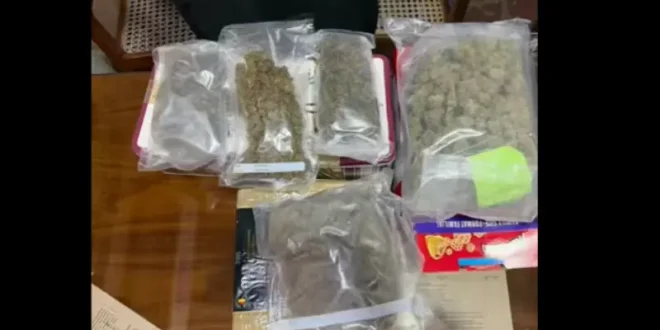
In a recent operation, the Collectorate of Customs (CoC) at Karachi’s International Mail Office (IMO) successfully intercepted a significant narcotics smuggling attempt. Customs officials seized 900 grams of marijuana, valued at approximately Rs 27.25 million, during routine scanning. The suspicious parcel, originating from Ontario, Canada, was cleverly disguised, declared as “Books (Gift)” but concealing the illicit substance within boxes of chocolates and cereals, destined for Multan.
This incident is not isolated. Pakistan Customs has demonstrated consistent vigilance, with a similar seizure of 12kg of marijuana from Bangkok at the same Karachi facility in July. Furthermore, August saw a special court mete out life sentences to three individuals for attempting to traffic over 1.3 tonnes of charas to an African nation. These successive operations underscore the continuous efforts of Pakistani law enforcement agencies to combat the pervasive challenge of drug trafficking.
Background: Pakistan’s Perilous Position in the Global Drug Trade
Pakistan finds itself in a geographically sensitive position, bordering Afghanistan, the world’s largest producer of illicit opium and heroin. Historically, this has rendered Pakistan a primary transit route for narcotics moving from Central Asia to international markets in Europe, Africa, and Asia. However, the dynamics of the drug trade are constantly evolving, leading to a diversification of smuggled substances and methods.
Beyond traditional opiates and hashish (charas), there’s a growing presence of synthetic drugs and cannabis from various international origins. Drug cartels employ increasingly sophisticated tactics, leveraging modern logistics networks, including air cargo and postal services, to bypass traditional checkpoints. This complex environment presents immense challenges for law enforcement agencies like Pakistan Customs, who must constantly adapt their strategies, enhance intelligence gathering, and invest in advanced detection technologies to stay ahead of criminal networks.
Impact on Pakistan: A Multifaceted Crisis
The insidious grip of the drug trade extends far beyond mere law enforcement challenges, inflicting severe damage across various sectors of Pakistani society:
- Social Fabric: The most visible and tragic impact is the soaring rate of drug addiction, particularly among the youth. This leads to profound social dislocation, health crises (including the spread of diseases like HIV/AIDS and hepatitis), and an unbearable strain on families and communities.
- Economic Drain: The illicit drug trade fuels a vast underground economy, often linked with money laundering and other financial crimes, diverting resources that could otherwise contribute to legitimate economic growth. The costs associated with drug enforcement, rehabilitation, and healthcare also place a significant burden on the national exchequer.
- Security Threat: There is a well-documented nexus between drug money and the financing of terrorism and extremist groups. The profits from narcotics often bankroll organized crime syndicates, contributing to violence, instability, and posing a direct threat to national security and regional peace. Furthermore, a country perceived as a major drug transit point faces international reputational damage.
Analysis: Shifting Routes and Enhanced Vigilance
The recent seizure of marijuana from Canada, destined for Multan, offers several critical insights into the evolving landscape of drug trafficking in Pakistan:
- Diversified Origins and Destinations: While Afghanistan remains a primary source for certain narcotics, this incident highlights Pakistan’s role not just as a transit country for regional drugs, but also as a potential destination or transit point for substances originating from more distant regions, such as North America, where cannabis might be legally produced or more readily available. The Multan destination also points to an internal demand and established distribution networks within Pakistan, moving beyond major metropolitan hubs.
- The Rise of Postal Smuggling: The use of international mail services for drug trafficking is a growing global trend. Criminals exploit the high volume of parcels and the anonymity offered by such services. The ‘Books (Gift)’ declaration and sophisticated concealment within common household items like chocolates and cereals demonstrate the cunning employed by traffickers to evade detection, necessitating even more rigorous scanning and meticulous physical examinations by Customs personnel.
- High Stakes, High Profits: The estimated value of Rs 27.25 million for just 900 grams of marijuana underscores the immense profitability of the drug trade. Such high returns continue to incentivize criminal elements, making the fight against them a relentless and challenging endeavor.
Pakistan Customs’ “continued vigilance” is not merely a statement but an absolute necessity. The success of such operations relies heavily on continuous investment in cutting-edge scanning technology, enhanced training for officers in forensic identification and intelligence analysis, and robust international cooperation. As drug syndicates adapt their methods, law enforcement agencies must remain agile and proactive, safeguarding public welfare against the pervasive threat of narcotics smuggling.
“`