Dost Pakistan Journeys Tours and safaris in the North & South Pakistsn
Related Articles


“`html
Karachi Building Collapse: Unpacking Urban Governance, Illegal Construction, and the ‘Stay Order’ Crisis
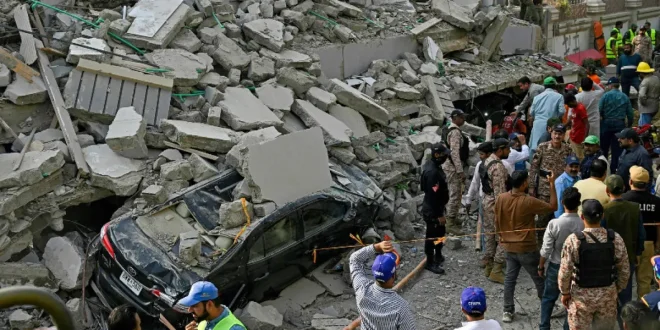
Karachi, Pakistan – A tragic incident on Wednesday saw at least three lives lost and 14 individuals injured when an under-construction building crumbled near Baloch Colony in the Karachi Administration Housing Society. This devastating collapse has once again cast a harsh spotlight on the systemic failures plaguing urban development and regulatory oversight in Pakistan’s largest metropolis.
The Immediate Aftermath: A Pattern of Negligence
The incident involved a ground-plus-five-storey structure, complete with a penthouse, being erected on a 600-square-yard plot. Rescue teams, including Rescue 1122, swiftly mobilized, utilizing modern equipment to extract victims from the rubble. The initial count confirmed three fatalities and 14 injured persons transported to Jinnah Postgraduate Medical Centre (JPMC), though concerns remain about additional individuals potentially trapped.
Initial investigations quickly revealed a shocking discrepancy: the Sindh Building Control Authority (SBCA) had only sanctioned a ground-plus-one-storey construction. The owner brazenly disregarded these approved plans, proceeding with an additional four floors and a penthouse. Crucially, when the SBCA attempted to intervene and halt the illicit construction, the owner secured a court-issued stay order, effectively paralyzing the regulatory body. This legal injunction allowed construction to continue unimpeded until the catastrophic collapse, prompting the arrest of three suspects, including a contractor and a family member of the owner.
Background: Karachi’s Perilous Urban Sprawl
Karachi, a sprawling megacity home to over 20 million people, is a melting pot of opportunities and challenges. Its rapid, often unplanned, growth has led to a desperate housing shortage, fueling a rampant culture of illegal construction. This isn’t an isolated event but a recurring nightmare that exposes deep-seated flaws in urban planning and governance across Pakistan. Past incidents echo this week’s tragedy:
- Orangi Town (September): Five fatalities from a dilapidated government school wall collapse.
- Soldier Bazaar (Earlier this year): A gas explosion triggered a residential building collapse, killing 15.
- Lyari (July 2025): A five-storey building, previously declared uninhabitable, collapsed, claiming 27 lives.
These incidents paint a grim picture of a city struggling with ageing infrastructure, poor safety standards, and the widespread use of substandard materials, often exacerbated by illegal extensions and lax enforcement of building codes.
Impact on Pakistan: Beyond the Rubble
The consequences of such disasters extend far beyond the immediate human cost, sending ripples through the socio-economic and institutional fabric of the nation:
- Human Tragedy: The most profound impact is the irreversible loss of life and the physical and psychological trauma inflicted upon the injured and their families. Many victims are daily wage workers, whose families are now plunged into financial distress.
- Erosion of Public Trust: Each collapse chips away at public confidence in governmental institutions like the SBCA, the judiciary, and local administration. When regulatory bodies are perceived as toothless or complicit, and legal mechanisms are exploited, faith in the system diminishes.
- Economic Disruption: Rescue operations, medical treatment, and investigations drain public resources. Moreover, such incidents deter investment in legitimate construction, impacting the broader real estate and construction sectors.
- Urban Planning Crisis: The repeated failures underscore a fundamental crisis in urban planning and development. Unchecked illegal growth strains existing infrastructure, exacerbates environmental issues, and creates unsafe living conditions for millions.
- National Reputation: Internationally, such incidents reflect poorly on Pakistan’s governance capabilities and commitment to safety standards, potentially affecting foreign investment and tourism.
In-Depth Analysis: The ‘Stay Order’ Dilemma and Regulatory Paralysis
The Karachi building collapse is not merely an accident; it is a direct consequence of a complex interplay of systemic corruption, regulatory weakness, and, critically, the misuse of judicial instruments. At the heart of this particular tragedy lies the “stay order” – a legal tool intended to prevent injustice, yet frequently weaponized to circumvent public safety regulations.
The Perverse Power of Stay Orders
As highlighted by East Deputy Commissioner Nasrullah Abbasi and Karachi Mayor Murtaza Wahab, the stay order obtained by the building owner effectively froze the SBCA’s ability to act. While courts issue stay orders to protect petitioners from arbitrary action, in cases involving public safety and illegal construction, they often serve as a shield for illicit activities. This mechanism allows unscrupulous builders, often referred to as the “portion mafia,” to proceed with hazardous constructions, knowing that regulatory bodies are legally constrained from intervention. Mayor Wahab’s lament about “political influence” further suggests that these stay orders might not always be obtained on purely legal merit, hinting at deeper nexus of power and corruption.
SBCA’s Conundrum: Incapacity or Complicity?
The Sindh Building Control Authority (SBCA) is mandated to ensure structural integrity and adherence to building codes. However, its effectiveness is repeatedly questioned. The Chief Minister, Murad Ali Shah, directly challenged the SBCA’s role, asserting that such large-scale violations could not occur without “possible involvement or negligence of government officials.” This raises critical questions:
- Resource Constraints: Is SBCA understaffed or under-resourced to effectively monitor a city of Karachi’s size and complexity?
- Internal Corruption: Do elements within the SBCA facilitate illegal construction or deliberately overlook violations in exchange for illicit gains?
- Lack of Autonomy: Is the SBCA sufficiently independent from political interference and pressure, which might hinder its enforcement capabilities?
The fact that SBCA had identified the violation but was stymied by a court order points to a systemic breakdown where even correct regulatory identification cannot prevent disaster.
Accountability and the Path Forward
CM Murad Ali Shah rightly termed the incident “not merely an accident but a case of criminal negligence,” vowing strict action against the owner, consultant, contractor, and any involved government officials. True accountability must be holistic, addressing all layers of complicity and negligence. To prevent future tragedies, a multi-pronged approach is essential:
- Judicial Reform: There is an urgent need to re-evaluate the application of stay orders in cases of illegal construction and public safety. Mechanisms must be established to fast-track decisions or empower regulatory bodies to take provisional action when imminent danger is present.
- Strengthening SBCA: The authority requires significant reform – enhanced capacity, transparent operations, stringent internal accountability mechanisms, and robust legal backing to challenge stay orders effectively. A zero-tolerance policy for corruption must be enforced.
- Political Will: Strong, unwavering political leadership from the provincial and city governments is paramount to dismantle the “portion mafia” and ensure strict adherence to building codes, free from political influence.
- Public Awareness and Participation: Educating citizens about safe construction practices and empowering them to report violations can create an additional layer of oversight.
- Comprehensive Urban Planning: Addressing the root cause of illegal construction by developing and implementing sustainable, affordable, and inclusive urban housing policies is crucial to meet the demands of Karachi’s burgeoning population.
The Karachi building collapse serves as a tragic reminder that the cost of unchecked illegal construction and regulatory inaction is measured in human lives. For a resilient and safe urban future, Pakistan must confront these systemic failures head-on, ensuring justice for the victims and preventing further preventable tragedies.
“`