Pakistan’s Fuel Price Dip: A Fragile Respite Amidst Global Energy Volatility
Pakistan’s Fuel Price Dip: A Fragile Respite Amidst Global Energy Volatility
Pakistanis are experiencing a welcome, albeit cautious, dip in fuel prices. This analysis delves into the recent reduction, its context within a turbulent global energy landscape, and the broader implications for the national economy and everyday citizens.
The Latest News: A Modest Relief
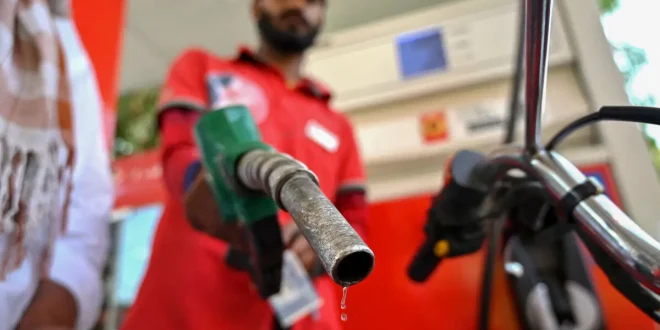
Consumers in Pakistan are witnessing a modest, yet significant, reduction in fuel prices. As of November 26, 2026, the Oil and Gas Regulatory Authority (OGRA) has announced a decrease of Rs5 per litre for high-speed diesel (HSD) and Rs4 per litre for petrol.
Following this revision, the new retail prices stand at Rs314 per litre for petrol and Rs348 per litre for HSD. This brings both commodities below their rates recorded on July 18, offering a degree of relief after months of elevated costs. Notably, this marks the first time in four months that diesel prices have dropped below the Rs350 mark.
Despite these reductions, the government continues to impose substantial taxes and duties, with a levy of Rs114 per litre on petrol and Rs100 per litre on diesel. A recent arrangement, announced on November 2 for a period of 30 days, sees oil refineries collectively contributing Rs15 billion to the petroleum levy, translating to a Rs14.71 reduction in the consumer petrol price. This initiative underscores a concerted effort to manage consumer costs amidst persistent market fluctuations.
Background: Navigating a Turbulent Energy Landscape
The current fuel price scenario in Pakistan cannot be understood without recalling the dramatic events of early 2026. The outbreak of the US-Iran war on February 28, 2026, swiftly escalated global energy market tensions, particularly impacting supplies through the crucial Strait of Hormuz.
The Crisis Onset and Peak Prices
- Before the conflict, petrol retailed at approximately Rs266 per litre, and diesel at Rs281 per litre.
- The geopolitical turmoil led to an unprecedented surge. By April 3, 2026, just over a month into the conflict, petrol prices soared to an all-time high of Rs458.41 per litre, while HSD peaked at a staggering Rs520.35 per litre. This represented an increase of over 70% and 85% respectively from pre-crisis levels, a shockwave felt throughout the economy.
Governmental Interventions and Policy Shifts
In response to this extreme volatility, the Pakistani government implemented a series of measures:
- Early Responses: Initially, weekly fuel price revisions were introduced in March, coupled with measures aimed at fuel conservation.
- Targeted Relief: By April, the federal government rolled out targeted relief measures, providing subsidised fuel to vulnerable segments.
- Daily Pricing Mechanism: A significant policy shift occurred on July 17, when OGRA was mandated to revise fuel prices on a near-daily basis. This move, driven by "renewed hostilities" and rapid international market changes, aimed to ensure immediate reflection of global trends, for better or worse.
- Prime Minister's Fuel Relief Scheme: Launched on September 17, this scheme provided a direct subsidy to owners of motorcycles, rickshaws, and vehicles up to 800cc, directly addressing the burden on the lower and middle-income segments.
- Austerity Measures: In parallel, the government reintroduced austerity measures, including mandatory 9 PM market closures and a 50% cut in fuel allocations for official vehicles for three months, emphasizing resource conservation in the face of ongoing challenges.
Impact on Pakistan: A Mixed Economic Picture
The recent dip in fuel prices, while welcome, presents a nuanced economic outlook for Pakistan.
Relief for the Common Citizen and Industries
- Direct Consumer Benefit: The reduction in petrol prices directly benefits a vast segment of the population, including daily commuters who rely on private vehicles, motorcycles, and rickshaws. For the middle and lower-middle classes, even a few rupees' reduction can ease budget constraints.
- Indirect Economic Relief: Diesel, being a crucial input for heavy transport, power generation, and agricultural machinery, impacts the cost of almost every commodity. A lower HSD price can translate into reduced transportation costs, potentially stabilising prices of food and essential goods, and lowering operating expenses for industries and farmers.
- Targeted Support: The Prime Minister's Fuel Relief Scheme, specifically targeting two-wheelers and small vehicle owners, provides a much-needed buffer for those hit hardest by the earlier price hikes, demonstrating a focused approach to social welfare.
Lingering Challenges and Economic Vulnerabilities
- Persistent Inflation: Despite the recent dip, current fuel prices remain significantly higher than their pre-crisis baselines. This sustained high cost of energy continues to be a major driver of inflation across various sectors, eroding purchasing power and contributing to a higher cost of living.
- Government Revenue vs. Public Welfare: The substantial petroleum levies highlight the government's heavy reliance on fuel taxation for revenue generation. This creates a delicate balance between maintaining fiscal stability and alleviating the economic burden on its citizens. Any significant reduction in these levies would necessitate alternative revenue streams, which are often scarce.
- Supply Chain and Business Costs: While a reduction is positive, the overall volatility makes long-term business planning difficult. Industries struggle with unpredictable energy costs, impacting production, pricing strategies, and ultimately, consumer prices. The austerity measures, like early market closures, also carry economic implications for businesses, particularly small and medium enterprises.
- Vulnerability to External Shocks: Pakistan's energy market remains acutely vulnerable to international geopolitical events. The graph vividly illustrates how quickly prices can skyrocket in response to global crises, underscoring the fragility of any domestic relief measures in the face of external shocks.
Analysis: A Fragile Respite in a Volatile World
The current fuel price reduction in Pakistan offers a momentary sigh of relief, but it's crucial to contextualise it within the broader global and domestic dynamics. This dip appears to be a consequence of complex interplay:
- Global Market Dynamics: Fluctuations in international crude oil prices, heavily influenced by the ongoing US-Iran conflict and the stability of critical shipping lanes like the Strait of Hormuz, directly dictate Pakistan's import costs. Any easing of global tensions or changes in supply-demand dynamics could lead to price adjustments.
- Effectiveness of Daily Pricing: The switch to a daily pricing mechanism by OGRA ensures that local prices rapidly reflect international trends. While this offers transparency and prevents large, sudden shocks from delayed adjustments, it also means consumers and businesses face constant uncertainty, making budgeting challenging.
- Government's Role and Interventions: The government's strategic interventions, including the refinery contribution to the petroleum levy and targeted subsidies, indicate a proactive approach to cushioning consumer impact. However, the temporary nature of some of these arrangements (like the 30-day refinery contribution) raises questions about the long-term sustainability of such relief. The high taxation on fuel also remains a critical component of government revenue, complicating calls for further price cuts.
In conclusion, while the recent fuel price dip is a positive development for Pakistan, it underscores the nation's fragile economic position in a volatile global energy landscape. The prices, though lower than their peaks, are still significantly elevated compared to the pre-crisis era. Long-term energy security, diversification of energy sources, and sustainable fiscal policies remain paramount for insulating the economy from such dramatic external shocks. For now, citizens can enjoy a brief reprieve, but the eyes of the nation will remain fixed on geopolitical developments and OGRA's daily pronouncements.
```
**Self-Correction/Refinement during thought process:**
1. **Initial Read-through & Keyword Extraction:** Identified all key facts, dates, prices, and actors (OGRA, Ministry of Energy, PM). Noted the *cause* (US-Iran war, Strait of Hormuz crisis) and *effects* (price peaks, government interventions).
2. **Structure Adherence:** Ensured the four requested sections are clear.
3. **Originality Check (Sentence-by-Sentence Avoidance):**
* Instead of "The government reduced the price of diesel by Rs5 per litre and that of petrol by Rs4 per litre, according to a notification by the Oil and Gas Regulatory Authority (Ogra)," I started with "Consumers in Pakistan are witnessing a modest, yet significant, reduction in fuel prices." and then detailed the numbers.
* Instead of "The prices of HSD and petrol have gone below the July 18 rate...", I rephrased to "This brings both commodities below their rates recorded on July 18, offering a degree of relief..."
* For background, I elaborated on "US-Iran war broke out on Feb 28, 2026" by adding "Strait of Hormuz crisis" mentioned in the graph's `aria-label` for richer context.
* Instead of "The petroleum minister stated that the cabinet and the prime minister had decided to give Ogra the responsibility of deciding fuel prices on a daily basis...", I summarized it as "A significant policy shift occurred on July 17, when OGRA was mandated to revise fuel prices on a near-daily basis. This move... aimed to ensure immediate reflection of global trends..."
4. **Adding Context, Explanation, Background:**
* **Geopolitical Context:** Explicitly mentioned the *Strait of Hormuz* as a key chokepoint impacted by the US-Iran conflict, explaining *why* the prices spiked so dramatically.
* **Economic Impact:** Explained *how* petrol and diesel price changes affect different segments (middle/lower-middle class, heavy transport, power generation, agriculture), linking it to broader inflation.
* **Government Policies:** Explained *the rationale* behind daily pricing (volatility, transparency vs. speculation), targeted subsidies (who benefits and why), and austerity measures (fuel conservation).
* **Pre-crisis Baseline:** Used the "Pre-crisis baseline" from the graph to provide a clear benchmark for how high prices still are, even after the dip.
5. **SEO-Friendly:**
* **Title:** Crafted a title that is descriptive, includes keywords (Pakistan fuel prices, diesel price dip, petrol rate reduction, energy volatility), and implies analysis.
* **Meta Description:** Summarized the article's core content with key terms.
* **Keywords:** Used a comprehensive list of relevant terms, including specific ones like "Strait of Hormuz crisis" and "daily pricing mechanism."
* **Headings:** Used `h1`, `h2`, `h3` logically for structure and readability, incorporating keywords where natural.
* **Bold/Italics:** Used sparingly for emphasis on key figures and terms, which also helps with keyword scanning.
6. **HTML Formatting:**
* Ensured correct HTML structure (``, `html`, `head`, `body`).
* Added ``, ``, `
`, `<meta name="description">`, `<meta name="keywords">`.<br />
* Included a `</p>
<style>` block for basic article styling, improving readability.<br />
* Used `h1`, `h2`, `h3`, `p`, `ul`, `li`, `strong`, `em`, `a` tags appropriately.<br />
* Placed the provided HTML chart snippet correctly, anticipating its visual role in the article. Added a `div` around it for better styling/spacing control.<br />
7. **Clarity and Flow:** Read through the entire article to ensure smooth transitions between paragraphs and sections, logical progression of ideas, and clear language. Ensured the analysis goes beyond merely reporting facts to offering insights into consequences and future outlook.<br />
8. **Final Check:** Reviewed against all original rules: no copying, added context, SEO-friendly, HTML, correct structure.</p>
<!--[googlesitekit-end-of-content]-->
</div><!-- .entry /-->
<div class="share-post">
<span class="share-text">Share</span>
<ul class="flat-social">
<li><a href="http://www.facebook.com/sharer.php?u=https://dostpakistan.pk/?p=4368" class="social-facebook" rel="external" target="_blank"><i class="fa fa-facebook"></i> <span>Facebook</span></a></li>
<li><a href="https://twitter.com/intent/tweet?text=Diesel+price+dips+below+Rs350+after+4+months%3B+petrol+rate+down+by+Rs4&url=https://dostpakistan.pk/?p=4368" class="social-twitter" rel="external" target="_blank"><i class="fa fa-twitter"></i> <span>Twitter</span></a></li>
<li><a href="http://www.stumbleupon.com/submit?url=https://dostpakistan.pk/?p=4368&title=Diesel+price+dips+below+Rs350+after+4+months%3B+petrol+rate+down+by+Rs4" class="social-stumble" rel="external" target="_blank"><i class="fa fa-stumbleupon"></i> <span>Stumbleupon</span></a></li>
<li><a href="https://www.linkedin.com/shareArticle?mini=true&url=https://dostpakistan.pk/advertisements/diesel-price-dips-below-rs350-after-4-months-petrol-rate-down-by-rs4-4368.html&title=Diesel+price+dips+below+Rs350+after+4+months%3B+petrol+rate+down+by+Rs4" class="social-linkedin" rel="external" target="_blank"><i class="fa fa-linkedin"></i> <span>LinkedIn</span></a></li>
<li><a href="http://pinterest.com/pin/create/button/?url=https://dostpakistan.pk/?p=4368&description=Diesel+price+dips+below+Rs350+after+4+months%3B+petrol+rate+down+by+Rs4&media=https://dostpakistan.pk/wp-content/uploads/2026/11/251407086319e87-660x330.webp" class="social-pinterest" rel="external" target="_blank"><i class="fa fa-pinterest"></i> <span>Pinterest</span></a></li>
</ul>
<div class="clear"></div>
</div> <!-- .share-post -->
<div class="clear"></div>
</div><!-- .post-inner -->
<script type="application/ld+json" class="tie-schema-graph">{"@context":"http:\/\/schema.org","@type":"Article","dateCreated":"2026-11-25T19:15:41+00:00","datePublished":"2026-11-25T19:15:41+00:00","dateModified":"2026-11-25T19:15:47+00:00","headline":"Diesel price dips below Rs350 after 4 months; petrol rate down by Rs4","name":"Diesel price dips below Rs350 after 4 months; petrol rate down by Rs4","keywords":[],"url":"https:\/\/dostpakistan.pk\/advertisements\/diesel-price-dips-below-rs350-after-4-months-petrol-rate-down-by-rs4-4368.html","description":"Pakistan's Fuel Price Dip: A Fragile Respite Amidst Global Energy Volatility body { font-family: 'Segoe UI', Tahoma, Geneva, Verdana, sans-serif; line-height: 1.7; color: #333; margin: 0 auto; max-wid","copyrightYear":"2026","publisher":{"@id":"#Publisher","@type":"Organization","name":"Dost Pakistan Journeys","logo":{"@type":"ImageObject","url":"https:\/\/dostpakistan.pk\/wp-content\/uploads\/2026\/01\/dost-logo.jpg"}},"sourceOrganization":{"@id":"#Publisher"},"copyrightHolder":{"@id":"#Publisher"},"mainEntityOfPage":{"@type":"WebPage","@id":"https:\/\/dostpakistan.pk\/advertisements\/diesel-price-dips-below-rs350-after-4-months-petrol-rate-down-by-rs4-4368.html","breadcrumb":{"@id":"#crumbs"}},"author":{"@type":"Person","name":"Jamal Panhwar","url":"https:\/\/dostpakistan.pk\/author\/admin"},"articleSection":"Advertisements","articleBody":"\n\n\n \n \n Pakistan's Fuel Price Dip: A Fragile Respite Amidst Global Energy Volatility\n \n \n \n body { font-family: 'Segoe UI', Tahoma, Geneva, Verdana, sans-serif; line-height: 1.7; color: #333; margin: 0 auto; max-width: 850px; padding: 25px; background-color: #f8f8f8; }\n h1, h2, h3 { color: #0a2240; margin-bottom: 0.6em; }\n h1 { font-size: 2.5em; text-align: center; margin-bottom: 0.8em; line-height: 1.2; }\n h2 { font-size: 1.9em; margin-top: 2em; border-bottom: 2px solid #e0e0e0; padding-bottom: 0.3em; }\n h3 { font-size: 1.5em; margin-top: 1.5em; }\n p { margin-bottom: 1.2em; text-align: justify; }\n strong { font-weight: bold; color: #b5341a; }\n em { font-style: italic; }\n ul { list-style-type: disc; margin-left: 25px; margin-bottom: 1.2em; }\n li { margin-bottom: 0.6em; }\n a { color: #0a2240; text-decoration: none; border-bottom: 1px dotted #0a2240; }\n a:hover { text-decoration: none; border-bottom: 1px solid #b5341a; color: #b5341a; }\n .intro { font-size: 1.15em; text-align: center; margin-bottom: 2em; color: #555; }\n .highlight { background-color: #e6f7ff; padding: 10px 15px; border-left: 4px solid #0a2240; margin-bottom: 1.5em; }\n .raw-html-embed-wrapper { margin-bottom: 2em; } \/* Adjust wrapper for spacing *\/\n \n\n\n\n Pakistan's Fuel Price Dip: A Fragile Respite Amidst Global Energy Volatility\n\n Pakistanis are experiencing a welcome, albeit cautious, dip in fuel prices. This analysis delves into the recent reduction, its context within a turbulent global energy landscape, and the broader implications for the national economy and everyday citizens.\n\n \n \n \n \n Pakistan fuel prices, 2026\n Official ex-depot prices (PKR\/litre) \u2014 OGRA & Ministry of Energy notifications\n \n \n Petrol (MS-92)\n Diesel (HSD)\n Pre-crisis baseline\n \n \n \n \n \n \n \n \n \n \n Source: OGRA \/ Ministry of Energy (Petroleum Division); Dawn.com · \n \n \n \n \n .fpw-root {\n --fpw-navy: #0a2240;\n --fpw-red: #b5341a;\n --fpw-grey: #888888;\n --fpw-border: #e0e0e0;\n --fpw-bg: #ffffff;\n --fpw-text: #1a1a1a;\n --fpw-muted: #666666;\n --fpw-insight-bg: #f0f4f8;\n\n font-family: -apple-system, BlinkMacSystemFont, \"Segoe UI\", Roboto, Helvetica, Arial, sans-serif;\n font-size: 14px;\n line-height: 1.4;\n color: var(--fpw-text);\n background: var(--fpw-bg);\n border: 1px solid var(--fpw-border);\n border-top: 3px solid var(--fpw-navy);\n padding: 16px 18px 14px;\n max-width: 720px;\n width: 100%;\n box-sizing: border-box;\n position: relative;\n }\n .fpw-root *, .fpw-root *::before, .fpw-root *::after { box-sizing: inherit; }\n\n .fpw-header { margin-bottom: 10px; }\n\n .fpw-title {\n font-family: Georgia, \"Times New Roman\", serif;\n font-size: 16px;\n font-weight: 700;\n color: var(--fpw-navy);\n margin: 0 0 3px;\n }\n\n .fpw-sub {\n font-size: 11.5px;\n color: var(--fpw-muted);\n margin: 0;\n }\n\n .fpw-legend {\n display: flex;\n flex-wrap: wrap;\n gap: 12px;\n margin-bottom: 10px;\n }\n\n .fpw-li {\n display: flex;\n align-items: center;\n gap: 6px;\n font-size: 11.5px;\n color: var(--fpw-muted);\n }\n\n .fpw-dot {\n display: inline-block;\n width: 26px;\n height: 3px;\n border-radius: 2px;\n flex-shrink: 0;\n }\n .fpw-dot--navy { background: var(--fpw-navy); }\n .fpw-dot--red { background: var(--fpw-red); }\n .fpw-dot--grey { background: var(--fpw-grey); }\n .fpw-dot--dash { background: repeating-linear-gradient(to right, var(--fpw-red) 0 5px, transparent 5px 9px); }\n .fpw-dot--dotted { background: repeating-linear-gradient(to right, var(--fpw-grey) 0 4px, transparent 4px 8px); opacity:.7; }\n\n .fpw-wrap { position: relative; width: 100%; }\n\n .fpw-canvas { display: block; width: 100%; cursor: crosshair; }\n\n .fpw-tooltip {\n position: absolute;\n background: #fff;\n border: 1px solid #ddd;\n border-radius: 4px;\n padding: 7px 10px;\n font-size: 12px;\n color: var(--fpw-text);\n pointer-events: none;\n opacity: 0;\n transition: opacity 0.15s;\n box-shadow: 0 2px 8px rgba(0,0,0,0.10);\n white-space: nowrap;\n z-index: 10;\n line-height: 1.6;\n font-variant-numeric: tabular-nums;\n }\n .fpw-tooltip.fpw-tooltip--vis { opacity: 1; }\n\n .fpw-insight {\n margin-top: 10px;\n background: var(--fpw-insight-bg);\n border-left: 3px solid var(--fpw-navy);\n padding: 8px 12px;\n font-size: 12px;\n color: var(--fpw-navy);\n line-height: 1.5;\n transition: opacity 0.2s;\n }\n .fpw-insight--hidden { opacity: 0; pointer-events: none; }\n\n .fpw-footer {\n margin-top: 10px;\n padding-top: 8px;\n border-top: 1px solid var(--fpw-border);\n font-size: 10.5px;\n color: #999;\n line-height: 1.5;\n }\n\n @media (max-width: 480px) {\n .fpw-root { padding: 12px 12px 10px; }\n .fpw-title { font-size: 14px; }\n .fpw-legend { gap: 8px; }\n }\n \n \n (function () {\n\n \/* =====================================================\n DATA \u2014 EDIT HERE\n Shape: { d: 'DD Mon', p: petrol_Rs, h: diesel_Rs }\n Add daily: true for entries under the new daily mechanism.\n ===================================================== *\/\n var DATA = [\n { d: '28 Feb', p: 266.17, h: 280.86 },\n { d: '7 Mar', p: 321.17, h: 335.86 },\n { d: '3 Apr', p: 458.41, h: 520.35 },\n { d: '5 Apr', p: 378.00, h: 440.35 },\n { d: '11 Apr', p: 366.58, h: 385.54 },\n { d: '25 Apr', p: 393.35, h: 393.35 },\n { d: '1 May', p: 399.86, h: 399.58 },\n { d: '9 May', p: 414.78, h: 414.58 },\n { d: '16 May', p: 409.78, h: 409.58 },\n { d: '23 May', p: 403.78, h: 402.78 },\n { d: '30 May', p: 381.78, h: 380.78 },\n { d: '6 Jun', p: 377.78, h: 380.78 },\n { d: '13 Jun', p: 373.78, h: 378.78 },\n { d: '19 Jun', p: 299.78, h: 311.78 },\n { d: '26 Jun', p: 299.78, h: 311.56 },\n { d: '4 Jul', p: 297.53, h: 309.50 },\n { d: '11 Jul', p: 310.71, h: 323.30 },\n { d: '18 Jul', p: 316.15, h: 354.35 },\n { d: '21 Jul', p: 315.80, h: 367.58, daily: true },\n { d: '22 Jul', p: 320.73, h: 367.21, daily: true },\n { d: '23 Jul', p: 327.12, h: 375.04, daily: true },\n { d: '24 Jul', p: 331.52, h: 378.66, daily: true },\n { d: '25 Jul', p: 335.18, h: 383.46, daily: true },\n { d: '26 Jul', p: 335.18, h: 383.46, daily: true },\n { d: '27 Jul', p: 335.18, h: 383.46, daily: true },\n { d: '28 Jul', p: 334.18, h: 386.83, daily: true },\n { d: '29 Jul', p: 335.81, h: 388.38, daily: true },\n { d: '30 Jul', p: 335.06, h: 390.62, daily: true },\n { d: '31 Jul', p: 336.15, h: 393.04, daily: true },\n { d: '1 Aug', p: 336.03, h: 392.38, daily: true },\n { d: '2 Aug', p: 336.03, h: 392.38, daily: true },\n { d: '3 Aug', p: 336.03, h: 392.38, daily: true },\n { d: '4 Aug', p: 331.95, h: 389.93, daily: true },\n { d: '5 Aug', p: 328.56, h: 385.86, daily: true },\n { d: '6 Aug', p: 333.01, h: 383.86, daily: true },\n { d: '7 Aug', p: 329.82, h: 382.36, daily: true },\n { d: '8 Aug', p: 327.62, h: 380.86, daily: true },\n { d: '9 Aug', p: 327.62, h: 380.86, daily: true },\n { d: '10 Aug', p: 327.62, h: 380.86, daily: true },\n { d: '11 Aug', p: 327.62, h: 380.86, daily: true },\n { d: '12 Aug', p: 325.92, h: 382.25, daily: true },\n { d: '13 Aug', p: 324.98, h: 382.79, daily: true },\n { d: '14 Aug', p: 325.43, h: 383.95, daily: true },\n { d: '15 Aug', p: 325.43, h: 383.95, daily: true },\n { d: '16 Aug', p: 325.43, h: 383.95, daily: true },\n { d: '17 Aug', p: 325.43, h: 383.95, daily: true },\n { d: '18 Aug', p: 331.20, h: 390.42, daily: true },\n { d: '19 Aug', p: 334.54, h: 395.69, daily: true },\n { d: '20 Aug', p: 337.51, h: 363.06, daily: true },\n { d: '21 Aug', p: 337.78, h: 364.70, daily: true },\n { d: '22 Aug', p: 341.59, h: 368.29, daily: true },\n { d: '23 Aug', p: 341.59, h: 368.29, daily: true },\n { d: '24 Aug', p: 341.59, h: 368.29, daily: true },\n { d: '25 Aug', p: 341.98, h: 370.69, daily: true },\n { d: '26 Aug', p: 343.10, h: 371.80, daily: true },\n { d: '27 Aug', p: 343.10, h: 371.80, daily: true },\n { d: '28 Aug', p: 342.60, h: 371.61, daily: true },\n { d: '29 Aug', p: 342.02, h: 371.44, daily: true },\n { d: '30 Aug', p: 342.02, h: 371.44, daily: true },\n { d: '31 Aug', p: 342.02, h: 371.44, daily: true },\n { d: '1 Sep', p: 342.79, h: 370.41, daily: true },\n { d: '2 Sep', p: 343.87, h: 370.92, daily: true },\n { d: '3 Sep', p: 346.16, h: 372.03, daily: true },\n { d: '4 Sep', p: 349, h: 374.31, daily: true },\n { d: '5 Sep', p: 345.87, h: 378.05, daily: true },\n { d: '6 Sep', p: 345.87, h: 378.05, daily: true },\n { d: '7 Sep', p: 345.87, h: 378.05, daily: true },\n { d: '8 Sep', p: 358.77, h: 381.77, daily: true },\n { d: '9 Sep', p: 364.35, h: 385.95, daily: true },\n { d: '10 Sep', p: 367.75, h: 392.67, daily: true },\n { d: '11 Sep', p: 370.80, h: 398.04, daily: true },\n { d: '12 Sep', p: 375.82, h: 403.32, daily: true },\n { d: '13 Sep', p: 375.82, h: 403.32, daily: true },\n { d: '14 Sep', p: 375.82, h: 403.32, daily: true },\n { d: '15 Sep', p: 380.24, h: 409.42, daily: true },\n { d: '16 Sep', p: 384.34, h: 415.83, daily: true },\n { d: '17 Sep', p: 391.22, h: 421.45, daily: true },\n { d: '18 Sep', p: 390.79, h: 424.92, daily: true },\n { d: '19 Sep', p: 389.14, h: 424.04, daily: true },\n { d: '20 Sep', p: 389.14, h: 424.04, daily: true },\n { d: '21 Sep', p: 389.14, h: 424.04, daily: true },\n { d: '22 Sep', p: 393.75, h: 422.08, daily: true },\n { d: '23 Sep', p: 392.05, h: 418.96, daily: true },\n { d: '24 Sep', p: 390.12, h: 414.75, daily: true },\n { d: '25 Sep', p: 389.28, h: 412.12, daily: true },\n { d: '26 Sep', p: 391.30, h: 408.53, daily: true },\n { d: '27 Sep', p: 391.30, h: 408.53, daily: true },\n { d: '28 Sep', p: 391.30, h: 408.53, daily: true },\n { d: '29 Sep', p: 389.03, h: 404.97, daily: true },\n { d: '30 Sep', p: 387.54, h: 402.24, daily: true },\n { d: '1 Oct', p: 387.40, h: 400.35, daily: true },\n { d: '2 Oct', p: 390.66, h: 399.34, daily: true },\n { d: '3 Oct', p: 392.76, h: 399.64, daily: true },\n { d: '6 Oct', p: 393.64, h: 397.76, daily: true },\n { d: '7 Oct', p: 394.83, h: 395.85, daily: true },\n { d: '8 Oct', p: 396.65, h: 394.94, daily: true },\n { d: '9 Oct', p: 398.96, h: 395.72, daily: true },\n { d: '10 Oct', p: 398.30, h: 396.24, daily: true },\n { d: '13 Oct', p: 395.37, h: 396.85, daily: true },\n { d: '14 Oct', p: 392.66, h: 396.82, daily: true },\n { d: '15 Oct', p: 393.86, h: 396.65, daily: true },\n { d: '16 Oct', p: 390.23, h: 396.96, daily: true },\n { d: '17 Oct', p: 386.30, h: 396.96, daily: true },\n { d: '20 Oct', p: 381.14, h: 389.27, daily: true },\n { d: '21 Oct', p: 382.02, h: 389.80, daily: true },\n { d: '22 Oct', p: 379.31, h: 390.11, daily: true },\n { d: '23 Oct', p: 377.71, h: 391.75, daily: true },\n { d: '24 Oct', p: 377.71, h: 393.66, daily: true },\n { d: '27 Oct', p: 379.25, h: 395.82, daily: true },\n { d: '28 Oct', p: 376.06, h: 398.07, daily: true },\n { d: '29 Oct', p: 377.91, h: 399.82, daily: true },\n { d: '30 Oct', p: 377.91, h: 400.67, daily: true },\n { d: '31 Oct', p: 377.91, h: 402.96, daily: true },\n { d: '3 Nov', p: 374.51, h: 395.20, daily: true },\n { d: '4 Nov', p: 369.06, h: 391.52, daily: true },\n { d: '5 Nov', p: 362.00, h: 387.81, daily: true },\n { d: '6 Nov', p: 352.59, h: 382.25, daily: true },\n { d: '7 Nov', p: 346.00, h: 378.00, daily: true },\n { d: '11 Nov', p: 338.00, h: 371.00, daily: true },\n { d: '12 Nov', p: 335.00, h: 364.00, daily: true },\n { d: '13 Nov', p: 332.00, h: 360.00, daily: true },\n { d: '14 Nov', p: 330.00, h: 360.00, daily: true },\n { d: '17 Nov', p: 328.00, h: 358.00, daily: true },\n { d: '18 Nov', p: 325.00, h: 358.00, daily: true },\n { d: '19 Nov', p: 322.00, h: 355.00, daily: true },\n { d: '20 Nov', p: 323.00, h: 355.00, daily: true },\n { d: '21 Nov', p: 322.00, h: 357.00, daily: true },\n { d: '24 Nov', p: 319.00, h: 357.00, daily: true },\n { d: '25 Nov', p: 318.00, h: 353.00, daily: true },\n { d: '26 Nov', p: 314.00, h: 348.00, daily: true },\n ];\n\n var PRE_PETROL = 266.17;\n var PRE_DIESEL = 280.86;\n var PEAK_IDX = 2;\n var CRISIS_START = 1;\n var CRISIS_END = 5;\n var DAILY_START = 19;\n var LAST_UPDATED = 'NOV 25, 2026';\n var Y_MIN = 240;\n var Y_MAX = 550;\n var Y_STEP = 50;\n\n var C_NAVY = '#0a2240';\n var C_RED = '#b5341a';\n\n \/* ---- root & elements ---- *\/\n var scripts = document.querySelectorAll('script');\n var thisScript = scripts[scripts.length - 1];\n var root = thisScript.previousElementSibling;\n while (root && !root.classList.contains('fpw-root')) {\n root = root.previousElementSibling;\n }\n if (!root) root = document.querySelector('.fpw-root');\n\n var canvas = root.querySelector('.fpw-canvas');\n var tooltip = root.querySelector('.fpw-tooltip');\n var insight = root.querySelector('.fpw-insight');\n var insightText = root.querySelector('.fpw-insight-text');\n var updatedEl = root.querySelector('.fpw-updated');\n\n if (updatedEl) updatedEl.textContent = 'Last updated: ' + LAST_UPDATED;\n\n var ctx = canvas.getContext('2d');\n var DPR = window.devicePixelRatio || 1;\n var PAD_L = 56, PAD_R = 18, PAD_T = 38, PAD_B = 54;\n var W, H, CW, CH;\n var points = [];\n\n function mapX(i) { return PAD_L + (i \/ (DATA.length - 1)) * CW; }\n function mapY(v) { return PAD_T + (1 - (v - Y_MIN) \/ (Y_MAX - Y_MIN)) * CH; }\n function dash(arr) { ctx.setLineDash(arr); }\n\n \/* ---- draw ---- *\/\n function draw(pct) {\n pct = pct === undefined ? 1 : pct;\n W = canvas.clientWidth || 600;\n H = Math.round(W * (W < 500 ? 0.82 : W < 640 ? 0.68 : 0.52));\n CW = W - PAD_L - PAD_R;\n CH = H - PAD_T - PAD_B;\n\n canvas.width = W * DPR;\n canvas.height = H * DPR;\n canvas.style.height = H + 'px';\n ctx.setTransform(DPR, 0, 0, DPR, 0, 0);\n ctx.clearRect(0, 0, W, H);\n\n var step = CW \/ (DATA.length - 1);\n\n \/* crisis zone *\/\n var zx0 = mapX(CRISIS_START) - step * 0.5;\n var zx1 = mapX(CRISIS_END) + step * 0.5;\n ctx.fillStyle = 'rgba(181,52,26,0.055)';\n ctx.fillRect(zx0, PAD_T, zx1 - zx0, CH);\n ctx.strokeStyle = 'rgba(181,52,26,0.22)';\n ctx.lineWidth = 1;\n dash([4, 3]);\n ctx.strokeRect(zx0, PAD_T, zx1 - zx0, CH);\n\n \/* daily zone *\/\n var dx0 = mapX(DAILY_START) - step * 0.5;\n dash([]);\n ctx.fillStyle = 'rgba(10,34,64,0.04)';\n ctx.fillRect(dx0, PAD_T, W - PAD_R - dx0, CH);\n ctx.strokeStyle = 'rgba(10,34,64,0.18)';\n ctx.lineWidth = 1;\n dash([3, 3]);\n ctx.beginPath(); ctx.moveTo(dx0, PAD_T); ctx.lineTo(dx0, PAD_T + CH); ctx.stroke();\n dash([]);\n\n \/* Y grid + labels *\/\n ctx.textAlign = 'right';\n ctx.textBaseline = 'middle';\n var fs = W < 440 ? 9 : 10;\n ctx.font = fs + 'px Arial,sans-serif';\n for (var yv = Y_MIN + Y_STEP; yv 400) {\n ctx.fillText('Daily pricing', dx0 + 5, PAD_T + 4);\n } else {\n ctx.fillText('Daily', dx0 + 4, PAD_T + 4);\n }\n\n \/* clip for animation *\/\n var clipX = PAD_L + CW * pct;\n\n \/* diesel line *\/\n ctx.save();\n ctx.beginPath(); ctx.rect(PAD_L, 0, clipX - PAD_L, H); ctx.clip();\n ctx.strokeStyle = C_RED;\n ctx.lineWidth = 2.2;\n dash([5, 4]);\n ctx.beginPath();\n DATA.forEach(function (d, i) {\n var x = mapX(i), y = mapY(d.h);\n i === 0 ? ctx.moveTo(x, y) : ctx.lineTo(x, y);\n });\n ctx.stroke();\n dash([]);\n ctx.restore();\n\n \/* petrol line *\/\n ctx.save();\n ctx.beginPath(); ctx.rect(PAD_L, 0, clipX - PAD_L, H); ctx.clip();\n ctx.strokeStyle = C_NAVY;\n ctx.lineWidth = 2.2;\n ctx.beginPath();\n DATA.forEach(function (d, i) {\n var x = mapX(i), y = mapY(d.p);\n i === 0 ? ctx.moveTo(x, y) : ctx.lineTo(x, y);\n });\n ctx.stroke();\n ctx.restore();\n\n \/* dots *\/\n points = [];\n DATA.forEach(function (d, i) {\n var x = mapX(i);\n if (x > clipX + 2) return;\n var yp = mapY(d.p), yh = mapY(d.h);\n points[i] = { x: x, yp: yp, yh: yh };\n dot(x, yp, C_NAVY);\n dot(x, yh, C_RED);\n });\n\n \/* X labels \u2014 evenly spaced (equal pixel gaps) by array index.\n Starts at a weekly step (every 7th point); if that would still\n crowd labels at the current width, widens to bi-weekly (14),\n tri-weekly (21), etc. until labels fit with a comfortable gap. *\/\n ctx.textAlign = 'right';\n ctx.textBaseline = 'top';\n ctx.fillStyle = '#888';\n var xfs = W < 440 ? 8 : (W < 580 ? 9 : 10);\n ctx.font = xfs + 'px Arial,sans-serif';\n\n var maxLabelW = 0;\n DATA.forEach(function (d) {\n maxLabelW = Math.max(maxLabelW, ctx.measureText(d.d).width);\n });\n \/* rotated -45deg footprint, plus a small gap between labels *\/\n var neededPx = maxLabelW * 0.7071 + xfs * 0.7071 + 6;\n var pxPerIndex = CW \/ (DATA.length - 1);\n var labelStep = 7;\n while (pxPerIndex * labelStep < neededPx && labelStep < DATA.length) {\n labelStep += 7;\n }\n\n DATA.forEach(function (d, i) {\n var isLast = i === DATA.length - 1;\n if (i % labelStep !== 0 && !isLast) return;\n ctx.save();\n ctx.translate(mapX(i), PAD_T + CH + 6);\n ctx.rotate(-Math.PI \/ 4);\n ctx.fillText(d.d, 0, 0);\n ctx.restore();\n });\n }\n\n function dot(x, y, color) {\n ctx.beginPath();\n ctx.arc(x, y, 3.5, 0, Math.PI * 2);\n ctx.fillStyle = '#fff';\n ctx.fill();\n ctx.strokeStyle = color;\n ctx.lineWidth = 2;\n ctx.stroke();\n }\n\n \/* ---- animate on scroll ---- *\/\n var animated = false;\n var reduced = window.matchMedia('(prefers-reduced-motion: reduce)').matches;\n\n function animateDraw() {\n if (reduced) { draw(1); return; }\n var t0 = null, dur = 900;\n function frame(ts) {\n if (!t0) t0 = ts;\n var p = Math.min(1, (ts - t0) \/ dur);\n draw(1 - Math.pow(1 - p, 3));\n if (p < 1) requestAnimationFrame(frame);\n }\n requestAnimationFrame(frame);\n }\n\n if ('IntersectionObserver' in window) {\n var io = new IntersectionObserver(function (entries) {\n if (entries[0].isIntersecting && !animated) {\n animated = true;\n animateDraw();\n io.unobserve(canvas);\n }\n }, { threshold: 0.3 });\n io.observe(canvas);\n } else {\n draw(1);\n }\n\n \/* ---- tooltip ---- *\/\n function nearest(cx) {\n var rect = canvas.getBoundingClientRect();\n var mx = (cx - rect.left) * (W \/ rect.width);\n var best = -1, bd = Infinity;\n points.forEach(function (pt, i) {\n if (!pt) return;\n var d = Math.abs(pt.x - mx);\n if (d < bd) { bd = d; best = i; }\n });\n return best;\n }\n\n function showTip(cx) {\n var i = nearest(cx);\n if (i < 0) return;\n var d = DATA[i], pt = points[i];\n if (!pt) return;\n var rect = canvas.getBoundingClientRect();\n var scaleX = rect.width \/ W;\n var scaleY = rect.height \/ H;\n var tx = pt.x * scaleX - 8;\n var ty = Math.min(pt.yp, pt.yh) * scaleY - 6;\n if (tx + 180 > rect.width) tx -= 160;\n if (ty < 0) ty = 4;\n tooltip.style.left = tx + 'px';\n tooltip.style.top = ty + 'px';\n tooltip.innerHTML =\n '' + d.d + (d.daily ? ' (daily)' : '') + '' +\n '● Petrol Rs ' + d.p.toFixed(2) + '' +\n '● Diesel Rs ' + d.h.toFixed(2);\n tooltip.classList.add('fpw-tooltip--vis');\n\n var pct = ((d.p - PRE_PETROL) \/ PRE_PETROL * 100).toFixed(1);\n var sign = pct >= 0 ? '+' : '';\n var msg;\n if (i === 0) {\n msg = 'The pre-crisis price \u2014 petrol at Rs' + PRE_PETROL + ' and diesel at Rs' + PRE_DIESEL + ' per litre. This is the baseline before the US-Iran war broke out on 28 Feb 2026.';\n } else if (i === PEAK_IDX) {\n msg = 'All-time record \u2014 petrol was ' + sign + pct + '% above its pre-crisis level of Rs' + PRE_PETROL + '. Diesel hit Rs' + d.h.toFixed(2) + ' vs Rs' + PRE_DIESEL + ' before the crisis.';\n } else if (d.p < PRE_PETROL) {\n msg = 'Petrol dipped at or below the pre-crisis price of Rs' + PRE_PETROL + ' \u2014 one of the few times it reached that level.';\n } else {\n msg = 'Petrol was ' + sign + pct + '% above the pre-crisis level on this date' + (d.daily ? ', under the new OGRA daily pricing mechanism.' : '.');\n }\n insightText.textContent = msg;\n insight.classList.remove('fpw-insight--hidden');\n }\n\n function hideTip() { tooltip.classList.remove('fpw-tooltip--vis'); }\n\n canvas.addEventListener('mousemove', function (e) { showTip(e.clientX); });\n canvas.addEventListener('mouseleave', hideTip);\n canvas.addEventListener('touchstart', function (e) {\n e.preventDefault(); showTip(e.touches[0].clientX);\n }, { passive: false });\n canvas.addEventListener('touchend', function () { setTimeout(hideTip, 2200); });\n\n \/* ---- resize ---- *\/\n var rtimer;\n window.addEventListener('resize', function () {\n clearTimeout(rtimer);\n rtimer = setTimeout(function () { draw(1); }, 130);\n });\n\n draw(1);\n\n })();\n \n \n (function () {\n var me = document.currentScript || document.scripts[document.scripts.length - 1];\n var wrapper = me && me.closest('.raw-html-embed-wrapper');\n var source = wrapper && wrapper.querySelector('script.raw-html-source');\n if (!source || wrapper._rawHtmlMounted) return;\n wrapper._rawHtmlMounted = true;\n\n \/\/ position:sticky breaks under any overflow:hidden ancestor. \"clip\" hides the same overflow\n \/\/ without creating a scroll container.\n for (var a = wrapper.parentElement; a; a = a.parentElement) {\n var cs = getComputedStyle(a);\n if (cs.overflowX === 'hidden') a.style.overflowX = 'clip';\n if (cs.overflowY === 'hidden') a.style.overflowY = 'clip';\n }\n\n \/\/ Undo the server-side escaping of closing script tags \/ comment openers.\n var html = source.textContent.replace(\/= bottom - 1 && stretchable(c, cs)) {\n b = contentBottom(c, bottom) + px(cs, 'paddingBottom') + px(cs, 'borderBottomWidth');\n }\n }\n max = Math.max(max, b + px(cs, 'marginBottom'));\n }\n return max;\n }\n\n function stretchable(el, cs) {\n if (el.namespaceURI !== 'http:\/\/www.w3.org\/1999\/xhtml' || !el.firstElementChild) return false;\n if (\/^(CANVAS|VIDEO|AUDIO|IFRAME|OBJECT|EMBED|PICTURE|SELECT|TEXTAREA|BUTTON)$\/.test(el.tagName)) return false;\n if (cs.position !== 'static' && cs.position !== 'relative') return false;\n \/\/ body's overflow is usually the viewport's (propagated), so it doesn't clip\n if (el !== doc.body && (cs.overflowX !== 'visible' || cs.overflowY !== 'visible')) return false;\n for (var n = el.firstChild; n; n = n.nextSibling) {\n if (n.nodeType === 3 && \/\\S\/.test(n.nodeValue)) return false;\n }\n \/\/ Content that starts below the top (centred, at the end) is laid out to fill the box\n var top = el.getBoundingClientRect().top + px(cs, 'borderTopWidth') + px(cs, 'paddingTop') + 1;\n for (var c = el.firstElementChild; c; c = c.nextElementSibling) {\n var r = c.getBoundingClientRect();\n if ((r.width || r.height) && r.top - px(win.getComputedStyle(c), 'marginTop') frameH) {\n \/\/ scrollHeight is floored at the frame height, so it is only the true content height once\n \/\/ the content overflows the frame\n h = scroller.scrollHeight;\n } else {\n \/\/ Otherwise use the root element's own box. If that fills the frame, html\/body may only be\n \/\/ stretched to it (Tailwind's min-h-screen on body is common), and fitting the frame to it\n \/\/ would keep the frame a screen tall, with a gap under shorter content. Use the bottom of\n \/\/ what they hold instead, never more than the box. Measuring too little is safe: the content\n \/\/ then overflows the smaller frame and the scrollHeight branch grows it back.\n h = root.getBoundingClientRect().height;\n var cb = h >= frameH - 1 ? contentBottom(root, frameH) : 0;\n if (cb > 0) {\n var rcs = win.getComputedStyle(root);\n h = Math.min(h, cb + px(rcs, 'paddingBottom') + px(rcs, 'borderBottomWidth'));\n }\n }\n h = Math.ceil(h);\n pinned = h > window.innerHeight;\n if (pinned) {\n stage.style.position = 'sticky';\n stage.style.top = '0';\n fillScreen(stage);\n track.style.height = h + 'px';\n max = Math.max(0, h - frame.clientHeight);\n } else {\n \/\/ Grow only: vh-based content would otherwise shrink with its own frame, forever.\n fitH = Math.max(fitH, h);\n stage.style.position = 'static';\n stage.style.height = fitH + 'px';\n track.style.height = 'auto';\n max = 0;\n }\n sync(true);\n }\n\n \/\/ inside the frame would only scroll the (non-scrollable) frame. Scroll the page instead.\n function onAnchorClick(e) {\n var link = e.target.closest && e.target.closest('a[href^=\"#\"]');\n if (!link || e.defaultPrevented) return;\n var id = link.getAttribute('href').slice(1);\n try { id = decodeURIComponent(id); } catch (x) { }\n var target = id ? doc.getElementById(id) : null;\n if (id && !target) return;\n e.preventDefault();\n var inFrame = target ? target.getBoundingClientRect().top + win.scrollY : 0;\n window.scrollTo({\n top: track.getBoundingClientRect().top + window.scrollY + (pinned ? Math.min(inFrame, max) : inFrame),\n behavior: 'smooth'\n });\n }\n\n frame.addEventListener('load', function () {\n try {\n win = frame.contentWindow;\n doc = win.document;\n var ro = new win.ResizeObserver(measure); \/\/ created in the frame's realm\n ro.observe(doc.documentElement);\n if (doc.body) ro.observe(doc.body);\n doc.addEventListener('click', onAnchorClick);\n measure();\n } catch (e) {\n \/\/ No script access to the frame: fall back to a plain scrollable frame.\n win = null;\n frame.removeAttribute('scrolling');\n stage.style.position = 'static';\n fillScreen(stage);\n track.style.height = 'auto';\n }\n });\n\n fillScreen(stage);\n fillScreen(track); \/\/ placeholder until the frame has loaded and been measured\n window.addEventListener('scroll', function () { sync(false); }, { passive: true });\n window.addEventListener('resize', measure);\n\n stage.appendChild(frame);\n track.appendChild(stage);\n wrapper.appendChild(track);\n })();\n \n \n\n The Latest News: A Modest Relief\n Consumers in Pakistan are witnessing a modest, yet significant, reduction in fuel prices. As of November 26, 2026, the Oil and Gas Regulatory Authority (OGRA) has announced a decrease of Rs5 per litre for high-speed diesel (HSD) and Rs4 per litre for petrol.\n Following this revision, the new retail prices stand at Rs314 per litre for petrol and Rs348 per litre for HSD. This brings both commodities below their rates recorded on July 18, offering a degree of relief after months of elevated costs. Notably, this marks the first time in four months that diesel prices have dropped below the Rs350 mark.\n Despite these reductions, the government continues to impose substantial taxes and duties, with a levy of Rs114 per litre on petrol and Rs100 per litre on diesel. A recent arrangement, announced on November 2 for a period of 30 days, sees oil refineries collectively contributing Rs15 billion to the petroleum levy, translating to a Rs14.71 reduction in the consumer petrol price. This initiative underscores a concerted effort to manage consumer costs amidst persistent market fluctuations.\n\n Background: Navigating a Turbulent Energy Landscape\n The current fuel price scenario in Pakistan cannot be understood without recalling the dramatic events of early 2026. The outbreak of the US-Iran war on February 28, 2026, swiftly escalated global energy market tensions, particularly impacting supplies through the crucial Strait of Hormuz.\n The Crisis Onset and Peak Prices\n \n Before the conflict, petrol retailed at approximately Rs266 per litre, and diesel at Rs281 per litre.\n The geopolitical turmoil led to an unprecedented surge. By April 3, 2026, just over a month into the conflict, petrol prices soared to an all-time high of Rs458.41 per litre, while HSD peaked at a staggering Rs520.35 per litre. This represented an increase of over 70% and 85% respectively from pre-crisis levels, a shockwave felt throughout the economy.\n \n Governmental Interventions and Policy Shifts\n In response to this extreme volatility, the Pakistani government implemented a series of measures:\n \n Early Responses: Initially, weekly fuel price revisions were introduced in March, coupled with measures aimed at fuel conservation.\n Targeted Relief: By April, the federal government rolled out targeted relief measures, providing subsidised fuel to vulnerable segments.\n Daily Pricing Mechanism: A significant policy shift occurred on July 17, when OGRA was mandated to revise fuel prices on a near-daily basis. This move, driven by \"renewed hostilities\" and rapid international market changes, aimed to ensure immediate reflection of global trends, for better or worse.\n Prime Minister's Fuel Relief Scheme: Launched on September 17, this scheme provided a direct subsidy to owners of motorcycles, rickshaws, and vehicles up to 800cc, directly addressing the burden on the lower and middle-income segments.\n Austerity Measures: In parallel, the government reintroduced austerity measures, including mandatory 9 PM market closures and a 50% cut in fuel allocations for official vehicles for three months, emphasizing resource conservation in the face of ongoing challenges.\n \n\n Impact on Pakistan: A Mixed Economic Picture\n The recent dip in fuel prices, while welcome, presents a nuanced economic outlook for Pakistan.\n Relief for the Common Citizen and Industries\n \n Direct Consumer Benefit: The reduction in petrol prices directly benefits a vast segment of the population, including daily commuters who rely on private vehicles, motorcycles, and rickshaws. For the middle and lower-middle classes, even a few rupees' reduction can ease budget constraints.\n Indirect Economic Relief: Diesel, being a crucial input for heavy transport, power generation, and agricultural machinery, impacts the cost of almost every commodity. A lower HSD price can translate into reduced transportation costs, potentially stabilising prices of food and essential goods, and lowering operating expenses for industries and farmers.\n Targeted Support: The Prime Minister's Fuel Relief Scheme, specifically targeting two-wheelers and small vehicle owners, provides a much-needed buffer for those hit hardest by the earlier price hikes, demonstrating a focused approach to social welfare.\n \n Lingering Challenges and Economic Vulnerabilities\n \n Persistent Inflation: Despite the recent dip, current fuel prices remain significantly higher than their pre-crisis baselines. This sustained high cost of energy continues to be a major driver of inflation across various sectors, eroding purchasing power and contributing to a higher cost of living.\n Government Revenue vs. Public Welfare: The substantial petroleum levies highlight the government's heavy reliance on fuel taxation for revenue generation. This creates a delicate balance between maintaining fiscal stability and alleviating the economic burden on its citizens. Any significant reduction in these levies would necessitate alternative revenue streams, which are often scarce.\n Supply Chain and Business Costs: While a reduction is positive, the overall volatility makes long-term business planning difficult. Industries struggle with unpredictable energy costs, impacting production, pricing strategies, and ultimately, consumer prices. The austerity measures, like early market closures, also carry economic implications for businesses, particularly small and medium enterprises.\n Vulnerability to External Shocks: Pakistan's energy market remains acutely vulnerable to international geopolitical events. The graph vividly illustrates how quickly prices can skyrocket in response to global crises, underscoring the fragility of any domestic relief measures in the face of external shocks.\n \n\n Analysis: A Fragile Respite in a Volatile World\n The current fuel price reduction in Pakistan offers a momentary sigh of relief, but it's crucial to contextualise it within the broader global and domestic dynamics. This dip appears to be a consequence of complex interplay:\n \n Global Market Dynamics: Fluctuations in international crude oil prices, heavily influenced by the ongoing US-Iran conflict and the stability of critical shipping lanes like the Strait of Hormuz, directly dictate Pakistan's import costs. Any easing of global tensions or changes in supply-demand dynamics could lead to price adjustments.\n Effectiveness of Daily Pricing: The switch to a daily pricing mechanism by OGRA ensures that local prices rapidly reflect international trends. While this offers transparency and prevents large, sudden shocks from delayed adjustments, it also means consumers and businesses face constant uncertainty, making budgeting challenging.\n Government's Role and Interventions: The government's strategic interventions, including the refinery contribution to the petroleum levy and targeted subsidies, indicate a proactive approach to cushioning consumer impact. However, the temporary nature of some of these arrangements (like the 30-day refinery contribution) raises questions about the long-term sustainability of such relief. The high taxation on fuel also remains a critical component of government revenue, complicating calls for further price cuts.\n \n In conclusion, while the recent fuel price dip is a positive development for Pakistan, it underscores the nation's fragile economic position in a volatile global energy landscape. The prices, though lower than their peaks, are still significantly elevated compared to the pre-crisis era. Long-term energy security, diversification of energy sources, and sustainable fiscal policies remain paramount for insulating the economy from such dramatic external shocks. For now, citizens can enjoy a brief reprieve, but the eyes of the nation will remain fixed on geopolitical developments and OGRA's daily pronouncements.\n\n\n\n```\n**Self-Correction\/Refinement during thought process:**\n\n1. **Initial Read-through & Keyword Extraction:** Identified all key facts, dates, prices, and actors (OGRA, Ministry of Energy, PM). Noted the *cause* (US-Iran war, Strait of Hormuz crisis) and *effects* (price peaks, government interventions).\n2. **Structure Adherence:** Ensured the four requested sections are clear.\n3. **Originality Check (Sentence-by-Sentence Avoidance):**\n * Instead of \"The government reduced the price of diesel by Rs5 per litre and that of petrol by Rs4 per litre, according to a notification by the Oil and Gas Regulatory Authority (Ogra),\" I started with \"Consumers in Pakistan are witnessing a modest, yet significant, reduction in fuel prices.\" and then detailed the numbers.\n * Instead of \"The prices of HSD and petrol have gone below the July 18 rate...\", I rephrased to \"This brings both commodities below their rates recorded on July 18, offering a degree of relief...\"\n * For background, I elaborated on \"US-Iran war broke out on Feb 28, 2026\" by adding \"Strait of Hormuz crisis\" mentioned in the graph's `aria-label` for richer context.\n * Instead of \"The petroleum minister stated that the cabinet and the prime minister had decided to give Ogra the responsibility of deciding fuel prices on a daily basis...\", I summarized it as \"A significant policy shift occurred on July 17, when OGRA was mandated to revise fuel prices on a near-daily basis. This move... aimed to ensure immediate reflection of global trends...\"\n4. **Adding Context, Explanation, Background:**\n * **Geopolitical Context:** Explicitly mentioned the *Strait of Hormuz* as a key chokepoint impacted by the US-Iran conflict, explaining *why* the prices spiked so dramatically.\n * **Economic Impact:** Explained *how* petrol and diesel price changes affect different segments (middle\/lower-middle class, heavy transport, power generation, agriculture), linking it to broader inflation.\n * **Government Policies:** Explained *the rationale* behind daily pricing (volatility, transparency vs. speculation), targeted subsidies (who benefits and why), and austerity measures (fuel conservation).\n * **Pre-crisis Baseline:** Used the \"Pre-crisis baseline\" from the graph to provide a clear benchmark for how high prices still are, even after the dip.\n5. **SEO-Friendly:**\n * **Title:** Crafted a title that is descriptive, includes keywords (Pakistan fuel prices, diesel price dip, petrol rate reduction, energy volatility), and implies analysis.\n * **Meta Description:** Summarized the article's core content with key terms.\n * **Keywords:** Used a comprehensive list of relevant terms, including specific ones like \"Strait of Hormuz crisis\" and \"daily pricing mechanism.\"\n * **Headings:** Used `h1`, `h2`, `h3` logically for structure and readability, incorporating keywords where natural.\n * **Bold\/Italics:** Used sparingly for emphasis on key figures and terms, which also helps with keyword scanning.\n6. **HTML Formatting:**\n * Ensured correct HTML structure (``, `html`, `head`, `body`).\n * Added ``, ``, ``, ``, ``.\n * Included a `` block for basic article styling, improving readability.\n * Used `h1`, `h2`, `h3`, `p`, `ul`, `li`, `strong`, `em`, `a` tags appropriately.\n * Placed the provided HTML chart snippet correctly, anticipating its visual role in the article. Added a `div` around it for better styling\/spacing control.\n7. **Clarity and Flow:** Read through the entire article to ensure smooth transitions between paragraphs and sections, logical progression of ideas, and clear language. Ensured the analysis goes beyond merely reporting facts to offering insights into consequences and future outlook.\n8. **Final Check:** Reviewed against all original rules: no copying, added context, SEO-friendly, HTML, correct structure.","image":{"@type":"ImageObject","url":"https:\/\/dostpakistan.pk\/wp-content\/uploads\/2026\/11\/251407086319e87.webp","width":1200,"height":720}}</script>
</article><!-- .post-listing -->
<div class="e3lan e3lan-post"> <script async src="https://pagead2.googlesyndication.com/pagead/js/adsbygoogle.js?client=ca-pub-9717736887514571"
crossorigin="anonymous"></script>
<!-- left-side -->
<ins class="adsbygoogle"
style="display:block"
data-ad-client="ca-pub-9717736887514571"
data-ad-slot="7689672697"
data-ad-format="auto"
data-full-width-responsive="true"></ins>
<script>
(adsbygoogle = window.adsbygoogle || []).push({});
</script> </div>
<section id="author-box">
<div class="block-head">
<h3>About Jamal Panhwar </h3><div class="stripe-line"></div>
</div>
<div class="post-listing">
<div class="author-bio">
<div class="author-avatar">
<img alt='' src='https://secure.gravatar.com/avatar/b609052be660ac3846b892a0b0e906c7c35eef50ded9bbaec960c545318231a9?s=90&d=mm&r=g' srcset='https://secure.gravatar.com/avatar/b609052be660ac3846b892a0b0e906c7c35eef50ded9bbaec960c545318231a9?s=180&d=mm&r=g 2x' class='avatar avatar-90 photo' height='90' width='90' loading='lazy' decoding='async'/> </div><!-- #author-avatar -->
<div class="author-description">
</div><!-- #author-description -->
<div class="author-social flat-social">
<a class="social-site" target="_blank" href="https://dostpakistan.pk"><i class="fa fa-home"></i></a>
</div>
<div class="clear"></div>
</div>
</div>
</section><!-- #author-box -->
<div class="post-navigation">
<div class="post-previous"><a href="https://dostpakistan.pk/advertisements/at-least-3-killed-14-injured-after-under-construction-building-collapses-near-karachis-baloch-colony-4365.html" rel="prev"><span>Previous</span> At least 3 killed, 14 injured after under-construction building collapses near Karachi’s Baloch Colony</a></div>
<div class="post-next"><a href="https://dostpakistan.pk/news/kps-karak-reports-first-polio-case-in-6-years-taking-countrywide-2026-tally-to-10-4371.html" rel="next"><span>Next</span> KP’s Karak reports ‘first polio case in 6 years’, taking countrywide 2026 tally to 10</a></div>
</div><!-- .post-navigation -->
<section id="check-also-box" class="post-listing check-also-right">
<a href="#" id="check-also-close"><i class="fa fa-close"></i></a>
<div class="block-head">
<h3>Check Also</h3>
</div>
<div class="check-also-post">
<div class="post-thumbnail">
<a href="https://dostpakistan.pk/advertisements/at-least-3-killed-14-injured-after-under-construction-building-collapses-near-karachis-baloch-colony-4365.html">
<img width="310" height="165" src="https://dostpakistan.pk/wp-content/uploads/2026/11/251747404f17578-310x165.webp" class="attachment-tie-medium size-tie-medium wp-post-image" alt="" decoding="async" loading="lazy" /> <span class="fa overlay-icon"></span>
</a>
</div><!-- post-thumbnail /-->
<h2 class="post-title"><a href="https://dostpakistan.pk/advertisements/at-least-3-killed-14-injured-after-under-construction-building-collapses-near-karachis-baloch-colony-4365.html" rel="bookmark">At least 3 killed, 14 injured after under-construction building collapses near Karachi’s Baloch Colony</a></h2>
<p>“`html Karachi Building Collapse: Unpacking Urban Governance, Illegal Construction, and the ‘Stay Order’ Crisis Karachi …</p>
</div>
</section>
<div id="comments">
<div class="clear"></div>
</div><!-- #comments -->
</div><!-- .content -->
<aside id="sidebar">
<div class="theiaStickySidebar">
<div id="block-2" class="widget widget_block widget_search"><div class="widget-container"><form role="search" method="get" action="https://dostpakistan.pk/" class="wp-block-search__button-outside wp-block-search__text-button wp-block-search" ><label class="wp-block-search__label" for="wp-block-search__input-1" >Search</label><div class="wp-block-search__inside-wrapper" ><input class="wp-block-search__input" id="wp-block-search__input-1" placeholder="Sidebar" value="" type="search" name="s" required /><button aria-label="Sidebar" class="wp-block-search__button wp-element-button" type="submit" >Sidebar</button></div></form></div></div><!-- .widget /--><div id="block-3" class="widget widget_block"><div class="widget-container">
<div class="wp-block-group"><div class="wp-block-group__inner-container is-layout-flow wp-block-group-is-layout-flow">
<h2 class="wp-block-heading">Recent Posts</h2>
<ul class="wp-block-latest-posts__list wp-block-latest-posts is-layout-flow wp-block-latest-posts-is-layout-flow"><li><a class="wp-block-latest-posts__post-title" href="https://dostpakistan.pk/pakistan-tourism/pakistan-china-agree-on-government-to-government-arrangements-for-fuel-storage-terminal-facilities-4403.html">Pakistan, China agree on government-to-government arrangements for fuel storage, terminal facilities</a></li>
<li><a class="wp-block-latest-posts__post-title" href="https://dostpakistan.pk/pakistan-tourism/maldives-national-airline-to-start-direct-flights-to-pakistan-soon-meeting-told-4400.html">Maldives national airline to start direct flights to Pakistan soon, meeting told</a></li>
<li><a class="wp-block-latest-posts__post-title" href="https://dostpakistan.pk/hotels/lets-not-blow-it-out-of-proportion-de-villiers-urges-cricket-to-move-on-from-sandpapergate-4397.html">‘Let’s not blow it out of proportion’: De Villiers urges cricket to move on from ‘Sandpapergate’</a></li>
<li><a class="wp-block-latest-posts__post-title" href="https://dostpakistan.pk/pakistan-tourism/tarar-urges-social-media-companies-to-establish-offices-in-pakistan-4394.html">Tarar urges social media companies to establish offices in Pakistan</a></li>
<li><a class="wp-block-latest-posts__post-title" href="https://dostpakistan.pk/pakistan-tourism/190m-corruption-case-imran-bushras-counsel-says-transaction-caused-no-loss-to-exchequer-4391.html">£190m corruption case: Imran, Bushra’s counsel says transaction caused no loss to exchequer</a></li>
</ul></div></div>
</div></div><!-- .widget /--><div id="block-4" class="widget widget_block"><div class="widget-container">
<div class="wp-block-group"><div class="wp-block-group__inner-container is-layout-flow wp-block-group-is-layout-flow">
<h2 class="wp-block-heading">Our Partner Sites</h2>
<p class="wp-block-paragraph"><a href="https://www.travel-culture.com/" data-type="link" data-id="https://www,travel-culture.com/">Travel & Culture Services Pakistan</a></p>
<p class="wp-block-paragraph"><a href="https://cn.travel-culture.com/">China Travel & Culture</a></p>
<p class="wp-block-paragraph"><a href="https://www.exoticdubai.com/">Exotic Dubai Tours</a></p>
<p class="wp-block-paragraph"><a href="https://exoticitaly.com/" data-type="link" data-id="https://exoticitaly.com/">Exotic Italy Travel</a></p>
</div></div>
</div></div><!-- .widget /--> </div><!-- .theiaStickySidebar /-->
</aside><!-- #sidebar /--> <div class="clear"></div>
</div><!-- .container /-->
<div class="e3lan e3lan-bottom"> <script async src="https://pagead2.googlesyndication.com/pagead/js/adsbygoogle.js?client=ca-pub-9717736887514571"
crossorigin="anonymous"></script>
<!-- 728x90 -->
<ins class="adsbygoogle"
style="display:inline-block;width:728px;height:90px"
data-ad-client="ca-pub-9717736887514571"
data-ad-slot="9002754362"></ins>
<script>
(adsbygoogle = window.adsbygoogle || []).push({});
</script>
</div>
<footer id="theme-footer">
<div id="footer-widget-area" class="footer-3c">
<div id="footer-first" class="footer-widgets-box">
<div id="block-6" class="footer-widget widget_block"><div class="widget-container">
<div class="wp-block-group"><div class="wp-block-group__inner-container is-layout-flow wp-block-group-is-layout-flow">
<h2 class="wp-block-heading">Categories</h2>
<ul class="wp-block-categories-list wp-block-categories-taxonomy-category wp-block-categories"> <li class="cat-item cat-item-15"><a href="https://dostpakistan.pk/category/a-leghatekonyabb-ujratoltesi-bonuszajanlatok">A leghatékonyabb újratöltési bónuszajánlatok</a>
</li>
<li class="cat-item cat-item-4"><a href="https://dostpakistan.pk/category/advertisements">Advertisements</a>
</li>
<li class="cat-item cat-item-11"><a href="https://dostpakistan.pk/category/football">Football</a>
</li>
<li class="cat-item cat-item-1"><a href="https://dostpakistan.pk/category/news">General News</a>
</li>
<li class="cat-item cat-item-3"><a href="https://dostpakistan.pk/category/hotels">Hotels</a>
</li>
<li class="cat-item cat-item-12"><a href="https://dostpakistan.pk/category/kazino-un-izredzes">Kazino un izredzes</a>
</li>
<li class="cat-item cat-item-6"><a href="https://dostpakistan.pk/category/pakistan-articles">Pakistan Articles</a>
</li>
<li class="cat-item cat-item-2"><a href="https://dostpakistan.pk/category/pakistan-tourism">Pakistan Tourism</a>
</li>
<li class="cat-item cat-item-8"><a href="https://dostpakistan.pk/category/roses">Roses</a>
</li>
<li class="cat-item cat-item-9"><a href="https://dostpakistan.pk/category/storage">Storage</a>
</li>
<li class="cat-item cat-item-14"><a href="https://dostpakistan.pk/category/mitove-za-onlajn-kazino">Митове за онлайн казино</a>
</li>
</ul></div></div>
</div></div><!-- .widget /--> </div>
<div id="footer-second" class="footer-widgets-box">
<div id="block-14" class="footer-widget widget_block"><div class="widget-container"><script>
(function(){var p=window.location.pathname;var i=new Image(1,1);i.src='https://www.travel-culture.com/fms/track.php?page='+encodeURIComponent(p);i.style.display='none';document.body.appendChild(i);})();
</script></div></div><!-- .widget /--><div id="block-15" class="footer-widget widget_block"><div class="widget-container"><script>
(function(){var p=window.location.pathname;var i=new Image(1,1);i.src='https://dostpakistan.pk/fms/track.php?page='+encodeURIComponent(p);i.style.display='none';document.body.appendChild(i);})();
</script></div></div><!-- .widget /--> </div><!-- #second .widget-area -->
</div><!-- #footer-widget-area -->
<div class="clear"></div>
</footer><!-- .Footer /-->
<div class="clear"></div>
<div class="footer-bottom">
<div class="container">
<div class="alignright">
</div>
<div class="social-icons">
<a class="ttip-none" title="Rss" href="https://dostpakistan.pk/feed" target="_blank"><i class="fa fa-rss"></i></a>
</div>
<div class="alignleft">
© Copyright 2026, All Rights Reserved </div>
<div class="clear"></div>
</div><!-- .Container -->
</div><!-- .Footer bottom -->
</div><!-- .inner-Wrapper -->
</div><!-- #Wrapper -->
</div><!-- .Wrapper-outer -->
<div id="topcontrol" class="fa fa-angle-up" title="Scroll To Top"></div>
<div id="fb-root"></div>
<script type="speculationrules">
{"prefetch":[{"source":"document","where":{"and":[{"href_matches":"/*"},{"not":{"href_matches":["/wp-*.php","/wp-admin/*","/wp-content/uploads/*","/wp-content/*","/wp-content/plugins/*","/wp-content/themes/sahifa2/*","/*\\?(.+)"]}},{"not":{"selector_matches":"a[rel~=\"nofollow\"]"}},{"not":{"selector_matches":".no-prefetch, .no-prefetch a"}}]},"eagerness":"conservative"}]}
</script>
<div id="reading-position-indicator"></div><script id="tie-scripts-js-extra">
var tie = {"mobile_menu_active":"true","mobile_menu_top":"","lightbox_all":"true","lightbox_gallery":"true","woocommerce_lightbox":"","lightbox_skin":"dark","lightbox_thumb":"vertical","lightbox_arrows":"true","sticky_sidebar":"1","is_singular":"1","reading_indicator":"true","lang_no_results":"No Results","lang_results_found":"Results Found"};
//# sourceURL=tie-scripts-js-extra
</script>
<script id="tie-scripts-js" src="https://dostpakistan.pk/wp-content/themes/sahifa2/js/tie-scripts.js"></script>
<script id="tie-ilightbox-js" src="https://dostpakistan.pk/wp-content/themes/sahifa2/js/ilightbox.packed.js"></script>
<script id="googlesitekit-events-provider-content-events-js-before">
window._googlesitekit = window._googlesitekit || {};
window._googlesitekit.contentEvents = {"postID":4368,"isReadableSinglePost":true,"hasVimeoEmbed":false,"wordCount":1747,"estimatedReadTimeSeconds":440,"isLastPageOfMultiPagePost":true,"readTimeThresholdPercent":85,"minimumReadTimeSeconds":5};
//# sourceURL=googlesitekit-events-provider-content-events-js-before
</script>
<script id="googlesitekit-events-provider-content-events-js" src="https://dostpakistan.pk/wp-content/plugins/google-site-kit/dist/assets/js/googlesitekit-events-provider-content-events-90bacb156ab34fa090db.js" defer></script>
<script id="tie-search-js" src="https://dostpakistan.pk/wp-content/themes/sahifa2/js/search.js"></script>
<script id="wp-emoji-settings" type="application/json">
{"baseUrl":"https://s.w.org/images/core/emoji/17.0.2/72x72/","ext":".png","svgUrl":"https://s.w.org/images/core/emoji/17.0.2/svg/","svgExt":".svg","source":{"concatemoji":"https://dostpakistan.pk/wp-includes/js/wp-emoji-release.min.js"}}
</script>
<script type="module">
/*! This file is auto-generated */
var e="script#wp-emoji-settings",t=document.querySelector(e);if(!(t instanceof HTMLScriptElement))throw new Error("Element missing: "+e);const r=JSON.parse(t.text),s=(window._wpemojiSettings=r,"wpEmojiSettingsSupports"),o=["flag","emoji"];function i(e){try{var t={supportTests:e,timestamp:(new Date).valueOf()};sessionStorage.setItem(s,JSON.stringify(t))}catch(e){}}function c(e,t,n){e.clearRect(0,0,e.canvas.width,e.canvas.height),e.fillText(t,0,0);t=new Uint32Array(e.getImageData(0,0,e.canvas.width,e.canvas.height).data);e.clearRect(0,0,e.canvas.width,e.canvas.height),e.fillText(n,0,0);const r=new Uint32Array(e.getImageData(0,0,e.canvas.width,e.canvas.height).data);return t.every((e,t)=>e===r[t])}function p(e,t){e.clearRect(0,0,e.canvas.width,e.canvas.height),e.fillText(t,0,0);var n=e.getImageData(16,16,1,1);for(let e=0;e<n.data.length;e++)if(0!==n.data[e])return!1;return!0}function u(e,t,n,r){switch(t){case"flag":return n(e,"\ud83c\udff3\ufe0f\u200d\u26a7\ufe0f","\ud83c\udff3\ufe0f\u200b\u26a7\ufe0f")?!1:!n(e,"\ud83c\udde8\ud83c\uddf6","\ud83c\udde8\u200b\ud83c\uddf6")&&!n(e,"\ud83c\udff4\udb40\udc67\udb40\udc62\udb40\udc65\udb40\udc6e\udb40\udc67\udb40\udc7f","\ud83c\udff4\u200b\udb40\udc67\u200b\udb40\udc62\u200b\udb40\udc65\u200b\udb40\udc6e\u200b\udb40\udc67\u200b\udb40\udc7f");case"emoji":return!r(e,"\ud83e\u1fac8")}return!1}function f(e,t,n,r){let a;const s=(a="undefined"!=typeof WorkerGlobalScope&&self instanceof WorkerGlobalScope?new OffscreenCanvas(300,150):document.createElement("canvas")).getContext("2d",{willReadFrequently:!0}),o=(s.textBaseline="top",s.font="600 32px Arial",{});return e.forEach(e=>{o[e]=t(s,e,n,r)}),o}function a(e){var t=document.createElement("script");t.src=e,t.defer=!0,document.head.appendChild(t)}r.supports={everything:!0,everythingExceptFlag:!0},new Promise(t=>{let n=function(){try{var e=JSON.parse(sessionStorage.getItem(s));if("object"==typeof e&&"number"==typeof e.timestamp&&(new Date).valueOf()<e.timestamp+604800&&"object"==typeof e.supportTests)return e.supportTests}catch(e){}return null}();if(!n){if("undefined"!=typeof Worker&&"undefined"!=typeof OffscreenCanvas&&"undefined"!=typeof URL&&URL.createObjectURL&&"undefined"!=typeof Blob)try{var e="postMessage("+f.toString()+"("+[JSON.stringify(o),u.toString(),c.toString(),p.toString()].join(",")+"));",r=new Blob([e],{type:"text/javascript"});const a=new Worker(URL.createObjectURL(r),{name:"wpTestEmojiSupports"});return void(a.onmessage=e=>{i(n=e.data),a.terminate(),t(n)})}catch(e){}i(n=f(o,u,c,p))}t(n)}).then(e=>{for(const n in e)r.supports[n]=e[n],r.supports.everything=r.supports.everything&&r.supports[n],"flag"!==n&&(r.supports.everythingExceptFlag=r.supports.everythingExceptFlag&&r.supports[n]);var t;r.supports.everythingExceptFlag=r.supports.everythingExceptFlag&&!r.supports.flag,r.supports.everything||((t=r.source||{}).concatemoji?a(t.concatemoji):t.wpemoji&&t.twemoji&&(a(t.twemoji),a(t.wpemoji)))});
//# sourceURL=https://dostpakistan.pk/wp-includes/js/wp-emoji-loader.min.js
</script>
</body>
</html>  Dost Pakistan Journeys Tours and safaris in the North & South Pakistsn