Dost Pakistan Journeys Tours and safaris in the North & South Pakistsn
Related Articles


“`html
Revitalizing Ties: Pakistan-Bangladesh Parliamentary Diplomacy Signals a New Era
The Latest News
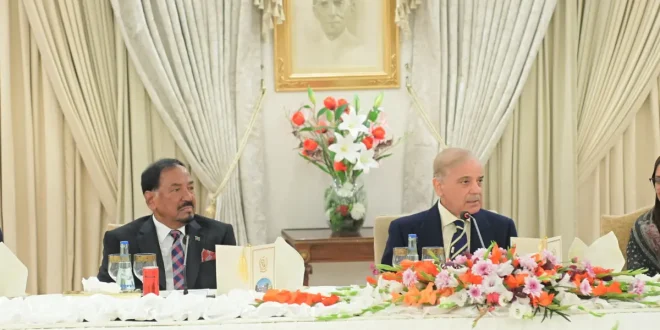
Bangladesh Parliament Speaker Hafizuddin Ahmad recently concluded a landmark six-day official visit to Pakistan, marking the first such visit by a Bangladeshi Speaker. During his trip, Ahmad and his parliamentary delegation held high-level meetings with President Asif Ali Zardari and Prime Minister Shehbaz Sharif in Islamabad.
Both Pakistani leaders emphatically reaffirmed the “great importance” Islamabad attaches to its relations with Dhaka, citing deep roots in shared history, common faith, and cultural affinities. Discussions encompassed a broad spectrum of cooperation, including strengthening parliamentary exchanges, boosting trade and economic links, potential defence collaboration, improving connectivity through direct flights and maritime routes, and fostering people-to-people contacts.
Significant points of focus included advancing 26 pending Memorandums of Understanding (MoUs), exploring preferential trade arrangements, cooperation on food security (Pakistani rice exports, refurbishment of sugar plants), and mutual assistance in parliamentary training and digital governance. The visit also touched upon regional issues like the China-Bangladesh-Pakistan Trilateral Mechanism and the humanitarian situation of Rohingya refugees.
This engagement underscores a significant warming trend in bilateral relations, particularly noteworthy following a period of strained ties under Bangladesh’s previous leadership.
Background: Overcoming Historical Echoes
The relationship between Pakistan and Bangladesh, once conjoined as East and West Pakistan, carries a complex and often painful history. The brutal War of Liberation in 1971, which led to Bangladesh’s independence, left deep scars and shaped diplomatic interactions for decades. For many years, official ties remained cool, characterized by caution and a lack of high-level engagement, particularly during the tenure of former Bangladeshi Prime Minister Sheikh Hasina, daughter of the nation’s founder Sheikh Mujibur Rahman. Historical grievances, including issues of war crimes trials and an official apology from Pakistan, often overshadowed opportunities for cooperation.
However, recent political shifts in Bangladesh, notably the ascendancy of the Bangladesh Nationalist Party (BNP) under Prime Minister Tarique Rahman, have ushered in a discernible change in approach. This new political landscape appears more open to re-engaging with Pakistan on a pragmatic footing. Evidence of this thawing trend includes several high-profile Pakistani visits to Dhaka in recent months, such as Planning Minister Ahsan Iqbal attending PM Rahman’s oath-taking ceremony, National Assembly Speaker Sardar Ayaz Sadiq’s presence at the funeral of Khaleda Zia, and Deputy Prime Minister and Foreign Minister Ishaq Dar’s historic meeting with Yunus.
This current parliamentary delegation visit, the first of its kind, is a powerful indicator that both nations are keen to move beyond historical impediments and explore avenues for a mutually beneficial future.
Impact on Pakistan: A Multi-Faceted Win
For Pakistan, a revitalized relationship with Bangladesh offers significant advantages across multiple domains:
- Economic Revival and Diversification: With its growing economy and substantial population, Bangladesh represents a considerable untapped market. Pakistan aims to significantly boost bilateral trade, which currently falls short of its potential. This includes exploring preferential trade agreements and increasing exports in sectors like textiles, pharmaceuticals, leather, and agricultural products such as rice. The offer to provide technical expertise for sugar plant refurbishment in Bangladesh also opens avenues for service exports and industrial cooperation.
- Enhanced Regional Connectivity: Improved air links, exemplified by Biman Bangladesh Airlines’ direct flights, and the exploration of direct maritime routes are crucial for facilitating trade and people movement. Stronger connectivity can lower logistical costs and foster greater economic integration, benefiting Pakistani businesses and consumers.
- Strengthened Diplomatic Footprint: Building closer ties with a key South Asian nation enhances Pakistan’s diplomatic leverage and influence within the region and beyond. It can contribute to a more united South Asian front on global issues and potentially revitalize regional forums like SAARC, which has long been stagnant.
- Strategic Depth and Defence Cooperation: President Zardari’s reaffirmation of Pakistan’s readiness to extend defence cooperation indicates a potential for strategic partnership. This could involve training, joint exercises, or defence equipment exchanges, adding a new dimension to Pakistan’s security outlook.
- Soft Power Projection and People-to-People Ties: The shared cultural heritage, highlighted by the popularity of Pakistani television dramas in Bangladesh, provides a foundation for soft power projection. Offers of training for Bangladeshi parliamentary officials at the Pakistan Institute for Parliamentary Services (PIPS) and educational links foster goodwill and deeper understanding, moving beyond political narratives.
- Regional Collaboration on Global Issues: Cooperation on issues like the plight of Rohingya refugees and participation in mechanisms such as the China-Bangladesh-Pakistan Trilateral Mechanism demonstrate a capacity for broader regional and international collaboration, elevating Pakistan’s profile as a constructive partner.
Analysis: Pragmatism Overcomes the Past
The latest high-level parliamentary exchange between Pakistan and Bangladesh is not merely a diplomatic formality; it signifies a strategic pivot driven by pragmatic considerations from both sides. For too long, the ghost of 1971 has loomed large, hindering the full potential of a relationship between two nations with profound historical, religious, and cultural commonalities. This visit represents a conscious effort to move beyond that shadow and forge a future-oriented partnership.
One of the primary drivers is undoubtedly economic. Bangladesh, with its robust textile industry and growing economy, offers lucrative opportunities for Pakistani businesses, while Pakistan can provide agricultural commodities, industrial expertise, and a market for Bangladeshi goods. The emphasis on finalizing MoUs, exploring preferential trade, and enhancing connectivity underscores a clear economic agenda.
Geopolitical realities also play a subtle, yet significant, role. In an evolving South Asian landscape, diversifying alliances and strengthening regional blocs becomes strategically important. For Pakistan, deepening ties with Bangladesh can be seen as a move to broaden its diplomatic outreach in a region where India often holds significant sway. Similarly, for Bangladesh, engaging with various regional players can offer greater strategic autonomy.
The change in political leadership in Bangladesh has been a critical catalyst. The BNP government appears to have adopted a more balanced foreign policy approach, less constrained by the historical narratives that previously dictated interactions with Pakistan. This openness has created a crucial window of opportunity that Islamabad is keen to capitalize on.
However, the path forward is not without its challenges. While parliamentary diplomacy and high-level visits are crucial first steps, sustaining momentum requires consistent effort. The swift implementation of the discussed MoUs, tangible progress in trade volumes, and consistent people-to-people engagement will be vital. Addressing historical sensitivities, even as relations improve, will also require delicate handling and mutual respect.
In conclusion, the visit of Speaker Hafizuddin Ahmad to Pakistan heralds a promising new chapter. It signals a collective realization that mutual prosperity and regional stability can only be achieved by embracing a forward-looking approach, where economic imperatives and shared strategic interests take precedence over historical grievances. If both nations can navigate the complexities with continued commitment, this revitalized partnership has the potential to become a cornerstone of a more integrated and prosperous South Asia.
“`