Dost Pakistan Journeys Tours and safaris in the North & South Pakistsn
Related Articles



“`html
US Tariffs on 14 Nations: Unpacking Trump’s Latest Move and Global Economic Ripples
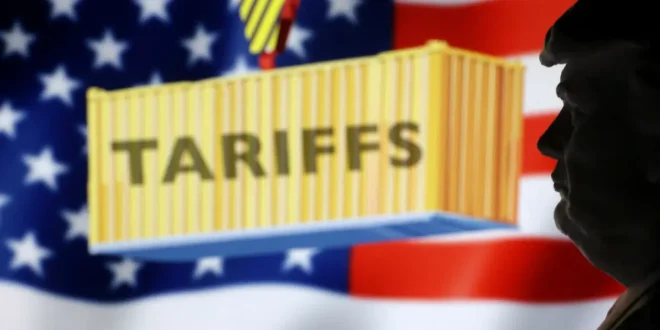
The United States has unveiled a significant proposal: new tariffs, potentially up to 20 percent, targeting goods from 14 economies. This sweeping action encompasses major trading partners like the European Union, China, and India, alongside several Asian nations and Switzerland. The stated rationale behind these proposed levies is a “months-long probe” into alleged excess production and capacity, which US officials claim is divorced from market realities and demand. This move signals a continuation of President Donald Trump’s assertive drive to reshape Washington’s global trade relationships, prioritizing domestic production and aiming to rebalance what he perceives as unfair trade practices.
Background: Trump’s Trade Doctrine and the Overcapacity Challenge
President Trump’s economic policy has consistently championed an “America First” approach, often characterized by a willingness to challenge established trade norms and agreements. His previous tenure saw the imposition of tariffs on a range of goods, from steel and aluminum to products linked to alleged forced labor. This current wave of proposed duties, however, stems from a specific concern: industrial overcapacity. US officials argue that various nations are strategically promoting manufacturing output, sometimes through state subsidies or other non-market interventions, leading to a global glut in sectors ranging from batteries and cement to chemicals and processed foods. This, in turn, is seen as undercutting US industries, depressing prices, and threatening domestic manufacturing jobs – a phenomenon described by trade experts as the “hollowing out” of American industry.
The timing of this announcement is also crucial. It follows a recent US Supreme Court ruling that struck down previous tariffs due to the administration’s reliance on an inappropriate legal basis. This new set of tariffs, initiated by the US Trade Representative’s office under a different legal framework following investigations into “unreasonable or discriminatory” foreign actions impacting US commerce, appears to be an attempt to navigate past prior legal hurdles. Furthermore, the economic backdrop of rising US inflation, currently at 3.7 percent year-on-year, adds another layer of complexity. While Federal Reserve policymakers believe the effects of previous tariffs have largely passed through the economy, new levies could undeniably push consumer prices higher, exacerbating the cost-of-living concerns that resonated strongly in recent midterm elections.
Potential Impact on Pakistan and Regional Economies
While Pakistan is not among the 14 directly targeted economies in this specific announcement, the ripple effects of such a broad trade offensive from the United States are bound to be felt globally, including in developing economies like Pakistan. When major trading blocs such as the EU, China, and India face increased tariffs, it creates significant disruptions in global supply chains, international commodity prices, and investment flows. Pakistan, with its own efforts to boost exports and attract foreign direct investment, operates within this interconnected global economic system.
Indirect impacts could manifest in several ways:
- Supply Chain Realignment: As multinational corporations re-evaluate their sourcing and production strategies to mitigate the impact of tariffs, there could be shifts in global manufacturing hubs. This might present opportunities for countries like Pakistan if they can offer competitive alternatives, but it also poses risks if existing trade relationships are disrupted.
- Commodity Price Volatility: A global slowdown or increased uncertainty stemming from trade conflicts can affect demand and prices for raw materials and finished goods, impacting Pakistan’s import and export bills.
- Reduced Global Demand: If tariffs lead to higher costs and reduced economic growth in major consumer markets, it could dampen overall global demand, potentially affecting Pakistan’s export sectors, particularly textiles and other manufactured goods.
- Investment Flows: Increased trade friction can make investors more cautious globally, potentially impacting foreign investment decisions in emerging markets.
Pakistan’s economic resilience and its ability to navigate these global trade currents will depend on its own structural reforms, diversification of export markets, and strategic trade policies. The nation will need to closely monitor these developments to anticipate changes and adapt its economic strategy accordingly.
Analysis: Strategic Leverage or Economic Disruption?
The latest tariff proposals underscore a persistent tension in global trade: the balance between free markets and national economic interests. President Trump’s administration views these tariffs as a necessary tool to address perceived imbalances and protect domestic industries from what it deems unfair competition. The underlying premise is that by imposing duties, foreign countries will be compelled to reduce excess capacity or open their markets further to US products.
However, the strategy is fraught with potential complications:
- Inflationary Pressures: Tariffs are essentially taxes on imported goods, often passed on to consumers. With US inflation already a concern, these new levies could further strain household budgets, potentially undermining the administration’s broader economic agenda and consumer confidence.
- Retaliation and Trade Wars: History shows that unilateral tariff actions frequently trigger retaliatory measures from targeted nations. This could escalate into broader trade disputes, harming global economic growth, reducing international trade volumes, and fostering an environment of uncertainty for businesses worldwide.
- Geopolitical Chess Match: The US official’s assertion that the tariffs won’t create “tension or rancor” at the upcoming G20 summit, but rather may lead to “more agreements,” suggests a strategic play. The tariffs could be a negotiating tactic, aiming to extract concessions from trading partners ahead of critical diplomatic gatherings. Whether this will be perceived as leverage or an aggressive act by allies and adversaries alike remains to be seen.
- Effectiveness vs. Disruption: While addressing industrial overcapacity is a legitimate concern for many economies, the unilateral imposition of tariffs might not be the most effective long-term solution. It risks fragmenting global supply chains, increasing costs for manufacturers who rely on international components, and diverting rather than resolving the core issue of overproduction. Dialogue and multilateral agreements, though often slower, tend to offer more sustainable resolutions to complex trade challenges.
- Legal and International Norms: The US is attempting to operate within specific legal frameworks following past challenges. However, such actions can still be seen as undermining the spirit of multilateral trade agreements and institutions like the World Trade Organization (WTO), which advocates for a rules-based international trading system.
In conclusion, the proposed US tariffs represent a bold continuation of the Trump administration’s “America First” trade agenda. While aimed at tackling the complex issue of global industrial overcapacity and protecting US manufacturing, their implementation carries significant risks. They could exacerbate domestic inflation, provoke international retaliation, and inject further instability into an already complex global economic landscape. The coming weeks, particularly leading up to the G20 summit, will reveal whether this strategy proves to be a shrewd negotiation tactic yielding agreements, or if it instead ignites another round of damaging global trade disputes.
“`