 Dost Pakistan Journeys Tours and safaris in the North & South Pakistsn
Related Articles
“`html
Pakistan’s Diplomatic Touch: Facilitating Iranian Repatriation Amidst Regional Tensions
The News: A Humanitarian Bridge
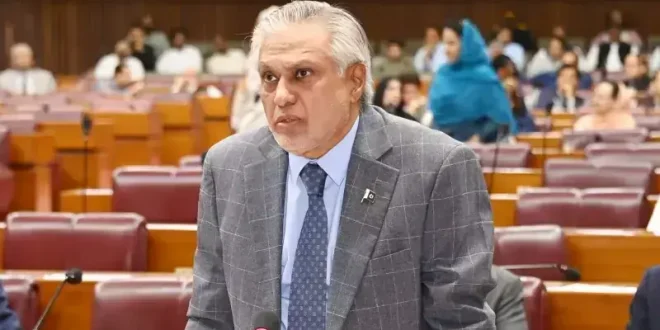
Pakistan’s Deputy Prime Minister and Foreign Minister, Ishaq Dar, recently announced that the nation is actively facilitating the repatriation of 30 Iranian nationals. This group comprises two distinct segments: eight Iranian fishermen, whose vessel ran aground and were subsequently rescued at sea by the British vessel MMA Valour, and 22 Iranian crew members from the oil tanker Lenore, also known as Davina. This vessel was recently interdicted by United States authorities in the Indian Ocean.
According to Dar’s statement on social media, both groups are slated to transit through Karachi in the coming days. The Pakistani government is coordinating closely with Iranian, US, and UK authorities to ensure their safe passage and timely return to Iran. This initiative underscores Pakistan’s steadfast commitment to humanitarian cooperation and its willingness to extend support to its Iranian brethren.
Background: Sanctions, Seizures, and Diplomacy
The incident involving the Davina (or Lenore) crew is rooted in the intricate and often tense geopolitical landscape surrounding Iran. Earlier this month, the US military’s Pacific Command (formerly Indo-Pacific Command) confirmed the interdiction of the supertanker Davina in the Indian Ocean. This vessel, capable of carrying up to two million barrels of crude oil, had been under US sanctions since October 2024 due to its alleged involvement in Iranian oil trading.
Shipping data indicated that the Davina was almost fully laden with oil cargo at the time of its seizure, highlighting the US’s ongoing efforts to enforce sanctions aimed at curtailing Iran’s oil exports and revenue, particularly in response to its nuclear program and regional activities. Such interdictions are a direct consequence of the escalating economic pressure Washington exerts on Tehran, creating complex situations for the crews involved.
This is not an isolated event for Pakistan. In May, the nation played a similar facilitative role, assisting in the return of crew members from another US-seized Iranian vessel. That operation involved 22 individuals transferred to Pakistan following their release. The Foreign Office characterized these transfers as crucial “confidence-building measures,” indicating a deliberate foreign policy strategy rather than mere ad-hoc assistance.
Positioned geographically between major global powers and a turbulent Middle East, Pakistan has increasingly sought to project itself as a mediator between the US and Iran. This strategic posture allows it to navigate sensitive diplomatic waters, fostering channels of communication and demonstrating a commitment to regional stability.
Impact on Pakistan: Enhancing Diplomatic Standing
Pakistan’s proactive role in facilitating the repatriation of these Iranian nationals carries significant weight for its diplomatic profile and regional standing:
- Reinforcing Humanitarian Credentials: By prioritizing the safe return of individuals in distress, irrespective of the political complexities surrounding their situation, Pakistan enhances its image as a responsible and compassionate international actor. This bolsters its soft power on the global stage.
- Strengthening Bilateral Ties with Iran: Providing direct humanitarian assistance deepens the bonds of friendship and cooperation with its neighbor, Iran. Such gestures build goodwill and trust, which are invaluable for regional stability and bilateral collaboration on various fronts.
- Maintaining Channels with Western Powers: Coordinating with US and UK authorities demonstrates Pakistan’s ability to engage constructively with Western nations even on issues touching sensitive geopolitical nerves. This balanced approach helps Pakistan maintain positive working relationships across diverse alliances.
- Strategic Positioning as a Mediator: Each successful facilitation effort reinforces Pakistan’s self-styled role as a neutral, trusted intermediary between the US and Iran. In a region fraught with tensions, having such a conduit can be strategically beneficial, potentially opening doors for Pakistan to play a larger role in de-escalation or conflict resolution efforts.
- Showcasing Diplomatic Dexterity: Navigating the intricate demands of coordinating between nations often at odds with each other requires considerable diplomatic skill. Pakistan’s successful management of these repatriations highlights its foreign office’s capability and influence.
Analysis: A Deliberate Strategy of “Humanitarian Diplomacy”
The repatriation of these 30 Iranian nationals, encompassing both rescued fishermen and crew members from a sanctioned oil tanker, is more than just a humanitarian gesture; it represents a calculated and consistent element of Pakistan’s foreign policy. This “humanitarian diplomacy” serves multiple strategic objectives in a volatile region.
Firstly, it underscores Pakistan’s commitment to using humanitarian aid as a tool for confidence-building and de-escalation. In a climate where US-Iran tensions remain high, facilitating the safe return of Iranian citizens after US interdictions creates a valuable, albeit small, point of common ground and communication. It demonstrates that practical cooperation is possible even amidst broader geopolitical disagreements, potentially easing some friction.
Secondly, Pakistan leverages its strategic geographical location as a transit hub. Its proximity to both Iran and the maritime routes in the Indian Ocean naturally positions it as a key facilitator for such operations. This geographical advantage, combined with a willingness to engage, solidifies its role as a regional stakeholder capable of impacting broader dynamics.
Furthermore, this incident is indicative of a consistent foreign policy approach. Following a similar facilitation in May, this latest effort signals a deliberate and enduring strategy by Islamabad. It projects an image of a reliable partner to both sides – a humanitarian ally to Iran and a responsible coordinator for the US and UK. This consistency enhances Pakistan’s credibility as a neutral actor and potential mediator in other regional conflicts or disputes.
In essence, Pakistan is adeptly employing its diplomatic and humanitarian resources to navigate a complex geopolitical chessboard. By serving as a bridge for human welfare, it not only fulfills its moral obligations but also strategically positions itself to foster regional stability, strengthen key bilateral relationships, and elevate its stature as a constructive international player in a world often divided by conflict.
“`
