Dost Pakistan Journeys Tours and safaris in the North & South Pakistsn
Related Articles

“`html
Pakistan’s Wheat Crisis: Balancing Consumer Prices with Farmer Prosperity
Published: October 25th, 2026
The News
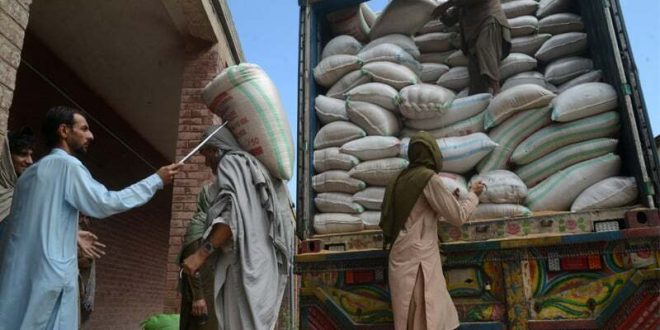
Pakistan finds itself at a critical juncture regarding its most fundamental food staple: wheat. Recent developments underscore the persistent challenges in ensuring both affordable prices for consumers and fair compensation for farmers. Deputy Prime Minister and Foreign Minister Ishaq Dar has issued urgent directives to federal and provincial governments, demanding immediate action to curb rising wheat prices by increasing market supply and strictly penalizing hoarding and speculation. Dar emphasized the government’s commitment to national food security and ensuring essential commodities are available at reasonable rates, following a review of existing stocks and supply chains.
Concurrently, the PTI Kisan Wing has welcomed the Prime Minister’s announcement of an increased wheat support price of Rs 4,500 per maund for the 2027 harvest. However, their welcome is tempered by significant reservations regarding the practical implementation of this policy. Citing a history of farmer exploitation by middlemen despite official support prices, the Kisan Wing has called for a robust, transparent procurement mechanism to ensure growers truly benefit from the announced rate, warning against a repeat of past failures.
Background: Pakistan’s Enduring Agricultural Predicament
Pakistan’s economy is heavily reliant on agriculture, with wheat serving as its primary food crop and a cornerstone of national food security. However, this vital sector is plagued by systemic issues that frequently lead to crises. Several factors contribute to the recurring volatility in wheat prices and the precarious position of farmers:
- Persistent Inflation: A general inflationary environment consistently pushes up the cost of agricultural inputs such as fertilizers, seeds, pesticides, and fuel, squeezing farmers’ profit margins and contributing to higher retail prices.
- Supply Chain Inefficiencies: Archaic logistics, inadequate storage facilities, and a fragmented market structure often lead to post-harvest losses and create opportunities for price manipulation.
- Hoarding and Speculation: As highlighted by Dar’s directives, unscrupulous elements exploit market vulnerabilities by hoarding commodities, artificially inflating prices for consumers. This practice not only destabilizes the market but also undermines food security efforts.
- Climate Change Vulnerability: Pakistan is highly susceptible to climate change impacts, including unpredictable rainfall, floods, and droughts, which directly affect crop yields and food availability.
- The “Middleman” Problem: A significant challenge for Pakistani farmers is the powerful network of commission agents and middlemen who often dictate terms. In the absence of effective government procurement, farmers are frequently forced to sell their produce at below-market rates, particularly small and medium-sized growers lacking storage or direct market access.
- Support Price Dilemma: While support prices are intended to incentivize production and protect farmers, their effectiveness hinges entirely on implementation. Historically, procurement mechanisms have been weak, allowing middlemen to intercept the benefits meant for farmers.
These intertwined issues create a complex landscape where the government constantly struggles to balance the interests of producers and consumers, often leading to reactive measures rather than proactive solutions.
Impact on Pakistan: A Double-Edged Sword
The current situation has profound implications across various segments of Pakistani society:
- For Consumers: Rising wheat prices directly translate to increased costs for basic necessities like flour (atta), a staple in every household. This exacerbates the cost-of-living crisis, disproportionately affecting low-income families and potentially fueling social discontent. Food inflation is a significant driver of overall inflation, eroding purchasing power and contributing to economic instability.
- For Farmers: Despite the announcement of an increased support price, the skepticism expressed by the PTI Kisan Wing is well-founded. If the government fails to establish a robust procurement system that directly benefits growers, farmers will continue to face losses. High input costs coupled with low selling prices (due to middlemen exploitation) can lead to financial distress, discourage future cultivation, and deepen rural poverty, hindering the nation’s agricultural output.
- For the Government: The government faces immense pressure to manage this delicate balance. Failure to control consumer prices could lead to public backlash, while neglecting farmers’ welfare risks future food shortages. The fiscal burden of procurement and potential subsidies can strain the national exchequer, already grappling with economic challenges. Moreover, the government’s credibility is on the line, as past failures in support price implementation loom large.
- Economic Stability: Food security is intrinsically linked to national economic stability. Chronic food inflation and agricultural sector distress can deter investment, impact trade balances if imports become necessary, and divert resources from other critical developmental areas. The current directives and announcements are crucial tests for the government’s ability to manage its economic priorities.
Analysis: Beyond Directives and Announcements
Deputy Prime Minister Dar’s immediate actions – directing increased supply and a crackdown on hoarding – are necessary tactical responses to a burgeoning crisis. However, their efficacy will depend entirely on the rigor of implementation. Curbing market speculation and hoarding requires sustained vigilance, strong enforcement mechanisms, and a political will that can challenge entrenched interests.
The announcement of an increased wheat support price by Prime Minister Shehbaz Sharif is, on paper, a welcome step towards addressing farmers’ long-standing demands. It acknowledges the escalating production costs and aims to provide a safety net for growers. Yet, as the PTI Kisan Wing rightly points out, a support price “on paper” provides little relief if not effectively translated into practice. The history of farmer exploitation in Pakistan is a stark reminder of the “implementation gap” that often plagues well-intentioned policies.
For the support price to be truly impactful, the government must move beyond mere announcements and institute a transparent, direct, and accessible procurement mechanism. This includes:
- Timely Establishment of Procurement Centers: Ensuring centers are operational well before harvest season and are geographically accessible to all farmers, especially smallholders.
- Direct Purchase from Farmers: Bypassing middlemen by enabling farmers to sell their produce directly to government agencies at the announced rate.
- Transparent Procedures: Clear guidelines for quality checks, weighing, and payment to prevent corruption and manipulation.
- Effective Monitoring and Grievance Redressal: A robust system to monitor procurement activities and address farmers’ complaints promptly and fairly.
Ultimately, Pakistan’s food security and agricultural prosperity demand a holistic and strategic approach that goes beyond reactive crisis management. This includes long-term reforms such as:
- Modernizing Agricultural Infrastructure: Investing in improved irrigation, storage facilities, and transportation networks.
- Promoting Climate-Resilient Agriculture: Supporting farmers with drought-resistant seeds and sustainable farming practices.
- Enhancing Farmer Access to Credit and Technology: Empowering growers with the tools and resources to increase productivity.
- Strengthening Market Linkages: Creating direct market access platforms for farmers to reduce reliance on intermediaries.
While the government’s current directives signal an urgent recognition of the problem, the true measure of success will be its ability to translate policy into tangible benefits for both consumers struggling with high prices and farmers striving for a fair livelihood. Without fundamental reforms and unwavering commitment to effective implementation, Pakistan risks facing a perennial cycle of wheat crises, undermining its economic stability and social cohesion.
“`