Dost Pakistan Journeys Tours and safaris in the North & South Pakistsn
Related Articles


“`html
Beyond the Blast: Analyzing the Resurgence of Militancy in Pakistan’s Swat Valley
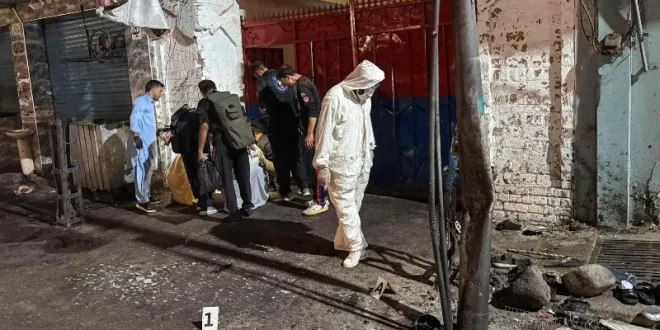
A recent suicide bombing in Pakistan’s Swat district, near the Kabal Police Station, tragically claimed the lives of 17 individuals, including several police personnel, and injured many more. This horrific event, which unfolded amidst a public protest against escalating lawlessness, serves as a grim reminder of the persistent security challenges facing Khyber Pakhtunkhwa (KP) province and the broader nation. Far from an isolated incident, this attack highlights a troubling resurgence of militant activity, compelling a deeper look into the region’s complex history and the state’s ongoing struggle against terrorism.
The Immediate Aftermath and Public Outcry
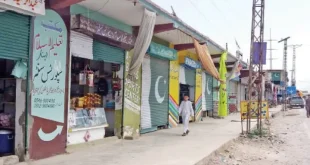
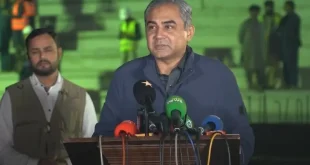
The bombing occurred on a Sunday, with the perpetrator detonating explosives after being intercepted at the entrance of the police facility. The toll was severe: seven policemen and ten civilians lost their lives, while dozens more sustained injuries. The swift response saw extensive rescue operations and solemn funeral prayers for the fallen officers, attended by high-ranking police officials. The incident immediately drew strong condemnation, with Khyber Pakhtunkhwa Chief Minister Sohail Afridi visiting Swat to meet victims’ families and review the law and order situation, pledging decisive action against terrorists. Meanwhile, lawyers across Swat observed a complete strike, and markets in Kabal tehsil remained closed in protest. Local community leaders, including the Swat Qaumi Jirga, have announced a major demonstration, reflecting the public’s profound demand for lasting peace and effective government intervention against the renewed wave of terror.
Swat’s Troubled History and the Shadow of Resurgence
To understand the gravity of the Swat bombing, one must revisit the valley’s recent past. Once known as the “Switzerland of Pakistan” for its breathtaking natural beauty and vibrant tourism, Swat plunged into a dark era of militant rule in the mid-2000s. Groups like the Tehrik-i-Taliban Pakistan (TTP) exploited political vacuums and local grievances, imposing a brutal interpretation of Sharia law, destroying schools, and terrorizing the populace. A decisive military operation in 2009, ‘Rah-e-Rast,’ successfully dislodged the militants, restoring a semblance of peace and allowing Swat to begin its slow, arduous journey toward recovery and normalcy. Many believed the threat had been contained.
However, the past two years have seen a worrying reversal. The Taliban’s takeover of Afghanistan in August 2021 emboldened militant groups operating along the Pak-Afghan border, including the TTP, which reportedly enjoys sanctuary in Afghanistan. This geopolitical shift has facilitated a renewed influx of militants into Pakistan’s border regions, particularly Khyber Pakhtunkhwa and Balochistan. Statistical assessments underscore this alarming trend: security personnel deaths in KP (excluding merged districts) surged by an astonishing 192% in July alone, while terrorist deaths also rose significantly. This indicates not merely isolated acts of terror, but a deliberate and escalating campaign aimed at destabilizing the region.
Broader Implications for Pakistan’s Stability
The resurgence of militancy in areas like Swat carries profound implications for Pakistan:
- Erosion of Internal Security: The escalating frequency and intensity of attacks, particularly targeting law enforcement, underscore a deteriorating internal security landscape. This not only strains security forces but also fosters a pervasive sense of fear and insecurity among the civilian population.
- Socio-Economic Setbacks: Swat’s economy, heavily reliant on tourism and agriculture, had just begun to flourish post-2009. Renewed militancy threatens to derail this recovery, deterring investment, stifling economic activity, and potentially leading to displacement, exacerbating poverty and disenfranchisement.
- Challenge to State Authority: Attacks on police stations are symbolic, aiming to undermine the writ of the state and project militant power. The fact that the bombing occurred during a protest against lawlessness further highlights the challenge to government credibility and its ability to protect its citizens.
- Strained Regional Relations: Pakistan’s persistent allegations of cross-border militant sanctuaries in Afghanistan continue to complicate bilateral relations, hindering effective regional counter-terrorism efforts and adding another layer of geopolitical complexity.
- Impact on Public Morale and Trust: While the KP Police IG spoke of high morale among personnel, the constant threat inevitably impacts the psychological well-being of frontline responders. More importantly, public trust in the state’s capacity to deliver peace, hard-won after years of struggle, risks being severely eroded. The planned August 7 protest is a clear manifestation of this public frustration and demand for accountability.
Analysis: The Imperative for a Multi-Faceted Response
The Swat bombing serves as a stark reminder that military operations alone, while crucial for immediate containment, are insufficient for achieving lasting peace. The current wave of militancy demands a comprehensive and multi-faceted response:
- Enhanced Intelligence and Border Management: The ability of a suicide bomber to reach the police station perimeter, especially during a public gathering, points to potential intelligence gaps and the need for more robust security protocols. Bolstering border controls with Afghanistan is paramount to prevent infiltration.
- Strengthening Law Enforcement: Police forces, often the first line of defense, require continuous training, modern equipment, and psychological support. Their capacity to gather intelligence, conduct investigations, and maintain community trust is vital.
- Socio-Economic Development and Deradicalization: Addressing the root causes of militancy, such as poverty, lack of education, and injustice, remains critical. Sustainable economic development programs, particularly for marginalized youth, coupled with effective deradicalization initiatives, can offer alternatives to extremist ideologies.
- Unified National Strategy: There is an urgent need for a cohesive national counter-terrorism strategy that transcends political divides. This includes clear policy on engaging with militant groups, a robust legal framework, and sustained public awareness campaigns.
- Community Engagement and Resilience: The strong public reaction in Swat, with protests and strikes, demonstrates the community’s unequivocal rejection of militancy. Empowering local jirgas, community leaders, and civil society organizations can create a powerful bulwark against extremism and foster local ownership of peace initiatives.
The people of Swat have paid a heavy price for peace once, and their renewed demand for decisive action resonates across Pakistan. The recent attack underscores that the fight against militancy is far from over. It necessitates not just reactive measures but a proactive, integrated approach that addresses both security threats and underlying socio-economic vulnerabilities, securing a truly peaceful future for the region.
“`