Dost Pakistan Journeys Tours and safaris in the North & South Pakistsn
Related Articles

“`html
Cairo’s Deadly Fuel Truck Fire: A Symptom of Egypt’s Infrastructure and Safety Challenges
The Tragic Incident: A Fiery Catastrophe on Cairo’s Ring Road
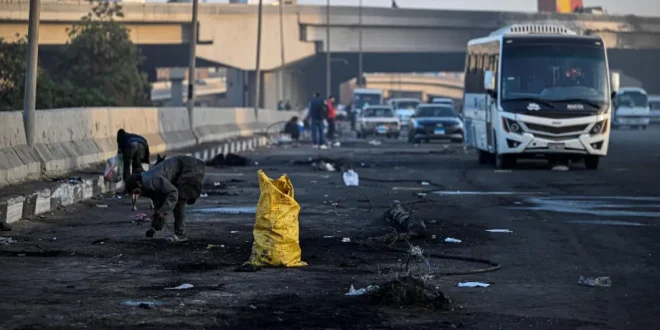
A horrific incident unfolded on Cairo’s bustling Ring Road when a fuel truck overturned, igniting a massive blaze that claimed the lives of at least 31 people and injured 15 others, some critically. The terrifying scene saw a colossal fireball engulfing vehicles and sending thick black smoke billowing over the densely populated Al-Waraq neighborhood. Emergency services swiftly responded, deploying 39 ambulances to the site and rushing victims to hospitals, while fire crews battled the inferno. The road was eventually cleared, and an investigation has been launched by Egypt’s public prosecutor to ascertain the precise causes and identify the severely burned victims through DNA testing. This devastating event has not only shocked the nation but also cast a harsh spotlight on systemic issues prevalent in Egypt’s urban landscape and transport infrastructure.
Background: Egypt’s Persistent Struggle with Infrastructure and Road Safety
The recent fuel truck tragedy, while immediate and shocking, is unfortunately not an isolated event but rather a grim manifestation of long-standing challenges facing Egypt, particularly its capital, Cairo. The nation’s rapid urbanization has often outpaced the development and maintenance of its critical infrastructure. Many residential areas are informal, characterized by narrow, winding streets that severely impede emergency vehicle access, a factor that can tragically escalate the impact of fires and other disasters. Furthermore, essential safety measures like fire escapes, smoke detectors, and alarm systems remain rare in many buildings, contributing to a heightened risk environment.
Beyond fire safety, Egypt grapples with a severe road safety crisis. The country consistently records thousands of fatalities from traffic accidents annually – nearly 6,000 last year and over 5,200 the year prior. These alarming statistics are commonly attributed to a combination of factors: prevalent reckless driving habits, inadequate vehicle maintenance, and inconsistent enforcement of traffic laws. Drivers often flout regulations with little consequence, creating a dangerous road culture. Previous incidents, such as the crash involving agricultural laborers in northern Egypt, underscore the pervasive nature of these dangers. The Prime Minister’s order for an investigation into the latest accident and a review of “future measures regarding the transport of petroleum products” acknowledges the urgent need to address these systemic vulnerabilities.
International Solidarity: Pakistan Extends Condolences
In the wake of the devastating incident, leaders from Pakistan extended their profound condolences and solidarity to Egypt. Prime Minister Shehbaz Sharif expressed deep grief over the “tragic loss of precious lives” and reaffirmed Pakistan’s support for the “brotherly people of Egypt.” Similarly, Deputy Prime Minister and Foreign Minister Ishaq Dar conveyed his sadness and offered heartfelt condolences to the bereaved families and the Egyptian government. These messages underscore the strong diplomatic ties and mutual support shared between the two nations, reflecting a broader regional sense of grief and empathy during times of crisis.
Analysis: Beyond the Accident – A Call for Systemic Reform
The Cairo fuel truck fire is more than just an unfortunate accident; it is a critical indicator of deeper systemic issues demanding urgent attention within Egypt. The catastrophe highlights the precarious balance between rapid development and robust safety standards in a mega-city like Cairo. The sheer density of the population, combined with an infrastructure struggling to keep pace, creates a fertile ground for such disasters.
The Urbanization Conundrum and Infrastructure Strain
Cairo’s sprawling urban landscape, with its mix of modern highways and older, informally developed areas, presents significant challenges. The Ring Road, a vital artery, is inherently exposed to the risks of heavy commercial traffic, including hazardous materials. The incident brings into sharp focus the need for strategic urban planning that prioritizes safety, including designated routes for dangerous goods transportation, robust infrastructure maintenance, and improved accessibility for emergency services in all parts of the city.
Regulatory Gaps and Enforcement Weaknesses
The persistent problem of reckless driving and poorly maintained vehicles, coupled with uneven law enforcement, suggests significant regulatory gaps in Egypt’s transport sector. The transport of highly flammable materials like fuel demands stringent regulations for vehicle safety, driver training, and operational protocols. The Prime Minister’s call for “future measures” must translate into concrete actions: comprehensive vehicle inspections, mandatory safety training for drivers of hazardous materials, stricter licensing, and consistent, transparent enforcement of traffic and safety laws to prevent the widespread flouting of rules.
Emergency Preparedness and Response
While the swift deployment of ambulances is commendable, the severity of the casualties and the sheer scale of the fire raise questions about broader emergency preparedness. This includes not only the rapid response to the immediate incident but also proactive measures such as adequate fire safety codes in buildings bordering major transport routes, public awareness campaigns on emergency procedures, and the capacity of hospitals to handle mass casualty events effectively.
A Pivotal Moment for Change
This tragedy serves as a poignant reminder that while economic development and infrastructure expansion are crucial, they must not come at the cost of public safety. The investigation into this incident must go beyond identifying immediate causes; it must delve into the underlying systemic failures. Egypt has an opportunity, albeit a tragic one, to use this moment to initiate comprehensive reforms across its urban planning, transport regulations, infrastructure development, and emergency response mechanisms. Prioritizing safety through robust policy implementation and consistent enforcement will be paramount in preventing future losses and building a more resilient and secure urban environment for its citizens.
“`