Dost Pakistan Journeys Tours and safaris in the North & South Pakistsn
Related Articles



“`html
Tragedy in the Mediterranean: Unpacking Pakistan’s Silent Migration Crisis
An original analysis exploring the Bajaur migrant boat incident, its devastating impact, and the systemic issues driving Pakistani youth towards perilous journeys.
The News: A Community Plunged into Grief
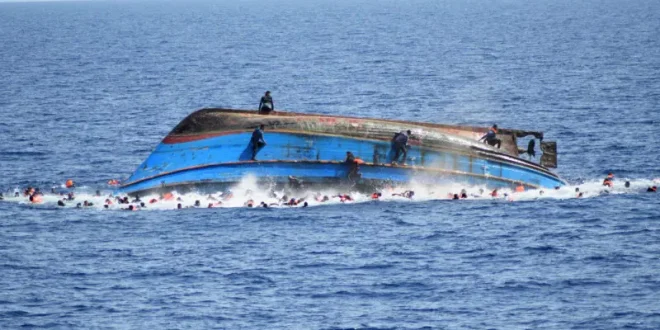
The remote tribal district of Bajaur in Pakistan finds itself grappling with profound sorrow following unofficial reports of a migrant boat capsizing off the coast of Libya. As many as 25 to 35 young men from Bajaur are feared dead or missing after the vessel, reportedly en route to Europe, encountered disaster in the Mediterranean Sea on November 21, 2026. While official confirmation from Pakistani authorities, international media, or rescue organizations remains elusive, the devastating news has spread through social media and local channels, prompting widespread grief. Funeral prayers in absentia have already been offered for several presumed victims, with families desperately seeking government and international assistance to repatriate their loved ones’ bodies. The incident, conveyed primarily through victims’ agents to distraught relatives, underscores a tragic reality for many seeking better prospects abroad.
Background: The Perilous Lure of Europe and Pakistan’s Migration Context
The tragedy near Libya is not an isolated incident but a stark reminder of the dangerous realities faced by countless individuals attempting irregular migration to Europe. The Central Mediterranean route, stretching from North Africa across to Italy or Malta, is widely regarded as one of the deadliest migration paths globally. Migrants, often packed into unseaworthy vessels by unscrupulous smugglers, risk drowning, exposure, starvation, and exploitation. These perilous journeys are often undertaken due to a desperate hope for economic betterment.
For Pakistan, and particularly regions like Bajaur (part of the merged tribal districts of Khyber Pakhtunkhwa), economic hardship and a severe lack of employment opportunities serve as powerful push factors. Despite their strategic importance and rich cultural heritage, these areas have historically lagged in development, struggling with infrastructure, education, and sustainable economic growth. This disparity fuels a desperate search for livelihoods, with many young people seeing overseas migration as their only viable path to a better future for themselves and their families. They often fall prey to human smuggling networks, which promise safe passage for hefty fees, frequently resulting in exploitation, abandonment, or, tragically, death.
The delay in official confirmation of such incidents is also a common challenge. The clandestine nature of irregular migration, the vastness of the Mediterranean, and the involvement of multiple national jurisdictions and non-state actors often mean that concrete information is slow to emerge, adding to the agony of waiting families. International organizations like the IOM (International Organization for Migration) often struggle to compile real-time data on such clandestine movements.
Impact on Pakistan: Local Devastation, National Scrutiny
The immediate and most profound impact of this tragedy is felt directly within the communities of Lowi Mamund and Salarzai tehsils in Bajaur. The loss of potentially 25-35 young lives, many reportedly aged between 20 and 27, represents a catastrophic blow to these tight-knit communities. As an ANP spokesperson rightly termed it, this is a “national calamity” – a collective grief that extends beyond individual families, highlighting the vulnerability of an entire generation. The emotional toll, coupled with the financial burden placed on families who often sell assets or incur significant debt to fund these journeys, is immense. Many invest their life savings, or borrow heavily, creating a double tragedy when these ventures fail.
Politically, the incident has drawn immediate attention and concern. Members of Parliament (MNA) and Provincial Assembly (MPAs) from Bajaur, including Mubarak Zeb Khan whose cousin was among the victims, have voiced their sorrow and are engaging with the Ministry of Overseas Pakistanis and Pakistani embassies. This places direct pressure on the federal government to not only assist with repatriation efforts but also to address the underlying issues driving irregular migration. Such incidents invariably bring the effectiveness of policies related to human trafficking, overseas employment, and regional development under intense scrutiny.
Beyond the immediate local and political repercussions, tragedies like this also subtly affect Pakistan’s international standing. They serve as a grim reminder of the challenges the nation faces in safeguarding its citizens and combating illegal migration, potentially impacting bilateral and multilateral relations concerning migration management and human rights. It also highlights the urgent need for enhanced consular services and international cooperation.
Analysis: Addressing the Root Causes of a Recurring Nightmare
The Bajaur boat tragedy is more than just a heartbreaking news item; it’s a symptom of deeper systemic issues. Firstly, it underscores the “invisible” crisis of irregular migration deaths. While high-profile incidents sometimes capture international headlines, the vast majority of lives lost on these perilous journeys go largely unconfirmed and unmourned on a global scale, effectively dehumanizing the victims and allowing the problem to persist in the shadows. The absence of official confirmation from international bodies or governments for days after the incident further compounds the agony and obscurity.
Secondly, while the immediate focus on retrieving bodies and supporting grieving families is crucial, a sustainable solution demands addressing the root causes. The aspiration for a better life is universal, but when legitimate avenues are scarce, people are forced into desperate measures. For the youth of Bajaur, decades of underdevelopment, conflict, and limited opportunities have created an environment where the perceived rewards of irregular migration outweigh its extreme risks. This highlights the urgent need for investment in education, skill development, and job creation within Pakistan, especially in its most vulnerable regions like the tribal districts. Without viable alternatives, the cycle of desperate migration will continue.
Furthermore, the reliance on unofficial agents for information, as seen in this incident, speaks volumes about the unregulated nature of human smuggling. Governments must redouble efforts to dismantle these criminal networks, holding perpetrators accountable, and simultaneously provide robust, legal, and safe channels for overseas employment. Improving the efficiency and reach of Pakistan’s consular services, particularly in regions prone to migrant departures, is also vital for timely information dissemination and assistance to citizens abroad.
In conclusion, the Bajaur tragedy serves as a poignant and urgent call to action. It demands a multi-pronged approach: immediate humanitarian aid for the affected families, rigorous enforcement against human traffickers, and crucially, long-term national strategies focused on equitable economic development and expanding legal migration pathways. Only then can Pakistan hope to prevent its youth from embarking on journeys that tragically lead to unconfirmed deaths in distant seas, transforming a dream of prosperity into a nightmare of loss.
“`