 Dost Pakistan Journeys Tours and safaris in the North & South Pakistsn
Related Articles

“`html
Connecting AJK: Murree Expressway Extension Paves Way for New Era of Connectivity and Development
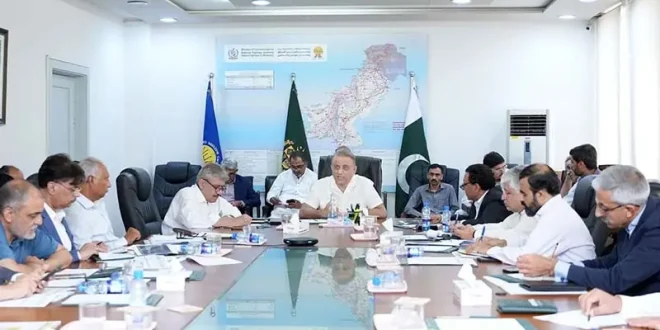
The recent announcement by the National Highway Authority (NHA) to extend the Murree Expressway (N-75) by an additional 70 kilometers to Muzaffarabad marks a pivotal moment for regional connectivity and infrastructure development in Pakistan. Chaired by Communications Minister Abdul Aleem Khan, the NHA meeting outlined not only this significant expansion but also a strategic shift towards project prioritization, enhancing trade routes, and transforming the authority’s financial self-reliance.
The News: Bridging the Divide
In a significant move to bolster regional integration, the NHA has greenlit the extension of the Murree Expressway (N-75) by 70 kilometers, directly linking it to Muzaffarabad, the capital of Azad Jammu and Kashmir (AJK). This ambitious project aims to integrate AJK into Pakistan’s primary motorway and expressway network, promising a modern, high-speed, and significantly safer travel experience for its residents.
Communications Minister Abdul Aleem Khan underscored the importance of providing AJK citizens with the same high-calibre infrastructure facilities available across the rest of the country. Beyond this extension, the minister issued directives for the NHA to prioritize the completion of 25 ongoing infrastructure projects during the current fiscal year, deferring new initiatives. Special emphasis was placed on fast-tracking sections of the M-8 Motorway, specifically the Hoshab–Awaran and Awaran–Nal projects, recognized for their crucial role in expanding trade with neighboring Iran and unlocking the tourism potential of southwestern regions.
Further, Khan unveiled a transformative vision for the NHA’s financial future, aiming for the authority to generate up to Rs400 billion annually from its internal revenue streams, thereby reducing dependence on federal funding and fostering self-reliance.
Background: The Road to Muzaffarabad
The existing Murree Expressway, stretching from Islamabad to the popular hill station of Murree, is a vital artery for tourism and local commute. Its winding path through the Margalla Hills has long been a scenic, yet at times challenging, route, with recent accident reports highlighting the need for safer, more modern road infrastructure in the mountainous terrain. Murree itself is a major domestic tourist destination, attracting millions annually.
Muzaffarabad, nestled in the confluence of the Neelum and Jhelum rivers, serves as the capital of Azad Jammu and Kashmir. Despite its strategic and administrative importance, connectivity to mainland Pakistan has historically faced limitations due to the challenging mountainous topography. Travel to Muzaffarabad from major urban centers often involves slower, less developed roads, impacting trade, tourism, and the general ease of movement for its inhabitants. Improving this connectivity has been a long-standing aspiration, seen as crucial for the region’s socio-economic upliftment and integration.
Pakistan’s broader national infrastructure strategy, which includes projects like the China-Pakistan Economic Corridor (CPEC) and various motorway networks, emphasizes creating efficient corridors for trade, commerce, and human mobility. This extension to Muzaffarabad aligns perfectly with this national vision, extending the benefits of modern infrastructure to previously underserved regions.
Impact on Pakistan: A New Horizon for AJK
The 70km extension of the Murree Expressway to Muzaffarabad is poised to generate significant positive ripple effects across several sectors:
- Enhanced Connectivity and Safer Travel: The most immediate benefit will be improved access for AJK residents to Pakistan’s major urban centers. This modern, high-speed corridor is expected to drastically cut travel times and, critically, enhance safety, addressing concerns highlighted by recent road accidents on existing routes. It promises a smoother, more reliable journey for commuters, traders, and tourists alike.
- Economic Catalyst for AJK: By seamlessly integrating Muzaffarabad into the national network, the project is set to unleash AJK’s significant economic potential.
- Tourism Boom: AJK is renowned for its breathtaking natural beauty, including the Neelum Valley, which holds immense untapped tourism potential. Better road access will make these stunning destinations far more accessible for domestic and international tourists, leading to increased visitor numbers, local employment, and investment in hospitality and related services.
- Trade and Commerce: Improved infrastructure will facilitate the faster and more efficient movement of goods and services between AJK and the rest of Pakistan, stimulating local economies and potentially attracting new businesses and investments to the region.
- Social Uplift and Integration: Enhanced connectivity will lead to better access for AJK residents to essential services such as healthcare facilities, educational institutions, and employment opportunities in larger cities. This physical integration will also foster greater social cohesion and national unity, strengthening ties between AJK and the broader Pakistani federation.
- Strategic Infrastructure Development: The NHA’s directive to prioritize ongoing projects, particularly the M-8 Motorway’s southwestern corridors, signifies a mature approach to infrastructure development. Completing the Hoshab–Awaran and Awaran–Nal sections is crucial for unlocking trade potential with Iran, opening up new avenues for economic cooperation and regional integration beyond national borders.
- Model for Sustainable Funding: Minister Khan’s vision for the NHA to become self-reliant by generating Rs400 billion annually through its own revenue streams is a transformative goal. If achieved, this would set a precedent for sustainable infrastructure financing, reducing dependence on the national budget and ensuring more consistent funding for future projects nationwide.
Analysis: Navigating Challenges and Realizing Potential
The decision to extend the Murree Expressway is a forward-thinking initiative that promises substantial benefits. However, its successful execution and long-term impact hinge on effectively navigating several challenges and opportunities.
Engineering and Environmental Considerations
Constructing a 70km expressway through the rugged, mountainous terrain leading to Muzaffarabad presents significant engineering challenges. This will necessitate advanced construction techniques, careful geological surveys, and robust environmental impact assessments to minimize ecological disruption in this sensitive region. Land acquisition, often a complex process, will also require sensitive and efficient management to avoid delays.
Funding and Financial Prudence
While the NHA aims for financial self-reliance, the initial capital outlay for a project of this magnitude will be substantial. The ambitious target of Rs400 billion in internal revenue generation will require innovative strategies, including efficient toll collection, public-private partnerships, and potentially leveraging assets. The minister’s emphasis on completing existing projects before embarking on new ones is a sound strategy, ensuring resources are not overstretched and that previously initiated developments deliver their intended benefits.
Maximizing Economic and Social Returns
Beyond simply building a road, the true success of this extension lies in its ability to catalyze comprehensive development. For AJK, this means not just easier access but also leveraging the increased tourist flow through targeted investments in tourism infrastructure (hotels, resorts, local guide services), promoting local crafts and culture, and developing supportive industries. For the M-8 Motorway, fully realizing its trade potential with Iran will require coordinated efforts in border infrastructure, logistics, and trade policies.
Long-Term Vision for Pakistan’s Infrastructure
This project, combined with the NHA’s broader directives, signals a shift towards a more strategic, efficient, and financially sustainable approach to infrastructure development in Pakistan. Prioritizing completion, focusing on critical trade corridors, and aiming for financial autonomy are indicators of a mature planning process. Such an approach is vital for ensuring that infrastructure investments translate into tangible economic growth, social progress, and enhanced regional integration, ultimately paving the way for a more connected and prosperous Pakistan.
The Murree Expressway extension to Muzaffarabad is more than just asphalt and concrete; it is a pathway to opportunity, promising to unlock AJK’s potential and weave it more tightly into the national fabric, heralding a truly modern era of connectivity and shared prosperity.
“`

