Dost Pakistan Journeys Tours and safaris in the North & South Pakistsn
Related Articles
“`html
Pakistan’s Provincial Divide: Referendum Rhetoric Strains Coalition – An Analysis
The News
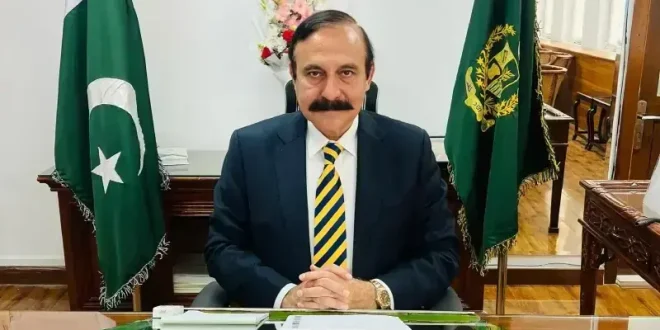
Pakistan is currently gripped by a heated debate over the potential creation of new provinces and the mechanism to achieve it: a public referendum. Parliamentary Affairs Minister Tariq Fazal Chaudhry of the Pakistan Muslim League-Nawaz (PML-N) has unequivocally stated that a referendum on new provinces “will happen,” emphasizing its constitutional validity and democratic nature. This firm stance from the ruling coalition comes in direct response to strong opposition from the Pakistan Peoples Party (PPP) Chairman Bilawal Bhutto-Zardari. Bhutto-Zardari, a key coalition partner, has not only rejected the idea of new provinces but has also termed a referendum for such a move “unconstitutional,” specifically warning against any “forced” division of Sindh province, which he cautioned could lead to bloodshed. Amidst this escalating rhetoric, efforts are reportedly underway to resolve the differences through dialogue, including a high-level meeting between Prime Minister Shehbaz Sharif and President Asif Ali Zardari.
Background
The demand for new administrative units in Pakistan is not new, often rooted in arguments for improved governance, equitable resource distribution, and better service delivery to marginalized populations. Regions like South Punjab, Bahawalpur, and Hazara have long seen movements advocating for provincial status. Historically, the argument against such divisions often centers on maintaining existing provincial identities, ethnic integrity, and fears of resource reallocation.
The current storm, however, was recently whipped up by Interior Minister Mohsin Naqvi, who in recent months called for a “reset” of Pakistan’s governance system due to its perceived “collapse,” suggesting the formation of new administrative units. He subsequently floated the idea of a referendum to settle the contentious debate. This proposal immediately drew ire from the PPP, a dominant political force in Sindh, which views any attempt to divide its province as an existential threat to its cultural and historical identity. Bilawal Bhutto-Zardari, along with other senior PPP leaders, has consistently maintained that the division of Sindh is neither legally nor politically acceptable.
Other political players have also weighed in. While PML-N claims the Pakistan Tehreek-e-Insaf (PTI) opposition generally favours the idea of new provinces, the Jamiat Ulema-e-Islam-Fazl (JUI-F) has voiced support for Bilawal’s opposition to a referendum, warning of its potential misuse. Conversely, the Muttahida Qaumi Movement-Pakistan (MQM-P), with its long-standing demand for a separate province in urban Sindh, has enthusiastically called for a nationwide referendum before 2027.
Impact on Pakistan
The escalating provincial debate and the proposed referendum have several critical implications for Pakistan:
- Political Stability and Coalition Cohesion: The most immediate impact is on the fragile ruling coalition. A fundamental disagreement on such a pivotal issue risks fracturing the government at a time when political stability is crucial for economic recovery. The PML-N’s insistence and PPP’s strong resistance create a serious challenge to their partnership, despite assurances from both sides regarding continued cooperation.
- National Unity and Identity: Redrawing provincial boundaries can trigger intense debates over national identity versus regional and ethnic affiliations. While proponents argue for administrative benefits, opponents fear it could exacerbate ethnic tensions, communal divisions, and potentially weaken the overall national fabric. The warning of “bloodshed” by Bilawal Bhutto-Zardari underscores the deep emotional and historical sensitivities tied to provincial integrity, particularly in Sindh.
- Governance and Administrative Efficiency: The core rationale presented by advocates like Defence Minister Khawaja Asif is improved “service delivery” through smaller, more manageable administrative units. However, the actual implementation involves significant administrative restructuring, resource allocation, and potential bureaucratic hurdles. Without careful planning, new provinces might merely replicate existing governance challenges rather than resolve them.
- Economic Ramifications: Creating new provinces entails substantial financial costs – establishing new provincial capitals, administrative infrastructure, secretariats, and judicial systems. This would require significant investment and could divert resources from other critical development projects, particularly in a country already facing severe economic constraints. The division of existing financial resources and assets would also be a complex and contentious process.
- Democratic Precedent and Referendum Integrity: While a referendum is a constitutional tool, its application to such a sensitive and potentially divisive issue sets a significant precedent. Concerns about the impartiality of the process, potential for manipulation, and the clarity of public opinion in a highly polarized political environment (as raised by JUI-F) are valid.
Analysis
The current debate over new provinces and a referendum is less about pure administrative reform and more about complex political maneuvering and power dynamics within Pakistan. The PML-N’s push for a referendum, strongly supported by figures like Nawaz Sharif, appears to be a strategic move to address governance concerns while potentially weakening the PPP’s traditional stronghold and consolidating support from other regional parties like the MQM-P and even parts of the PTI base.
For the PPP, the issue of Sindh’s integrity is non-negotiable. Sindh, forged through historical struggles and representing a unique cultural identity, is seen by the party as more than just an administrative unit. Bilawal Bhutto-Zardari’s stark warning of “bloodshed” reflects the deep-seated fears within the province that any division would be a forced imposition and could ignite severe unrest. His strong rhetoric, though criticized by PML-N leaders like Khawaja Asif as “attacking the state,” is likely aimed at consolidating his party’s base and signaling an unwavering commitment to Sindh’s unity.
The referendum itself is a double-edged sword. While it offers a seemingly democratic way to gauge public opinion, in a deeply polarized political landscape, it risks becoming a tool for political advantage rather than a genuine reflection of consensus. The PML-N’s emphasis on national consensus, while concurrently insisting the referendum “will happen” regardless of a single party’s opposition, highlights this tension.
The role of President Asif Ali Zardari, as both the Head of State and a seasoned PPP leader, becomes critical in de-escalating this confrontation. His reported intervention with PM Shehbaz Sharif suggests a recognition of the high stakes involved in maintaining coalition stability. The PML-N’s expressed hope that the PPP will remain a coalition partner, despite the public spat, indicates a desire to find a mutually acceptable solution, even if it involves compromises.
Ultimately, the challenge lies in reconciling the administrative necessity for potentially smaller units with the deeply held provincial identities and political aspirations. Whether a true consensus can be forged, or if the issue will be temporarily shelved to preserve coalition harmony, remains to be seen. The coming weeks will likely reveal the extent of political will to prioritize national stability over potentially divisive administrative reforms, or if a path can be found to pursue reforms without jeopardizing the delicate balance of Pakistan’s diverse political landscape.
“`